





This guide reviews what the UK sources actually say about Mounjaro's safety: the common side effects and how serious they are, the rarer serious risks, who it is not suitable for, and how the risks are managed in practice. It draws on the Summary of Product Characteristics, the NHS and NICE, and it does not pretend to a certainty the evidence does not support.
What safe means for a medicine like Mounjaro
No medicine is completely safe for everyone, and Mounjaro is no exception. Safety in medicine is about the balance of benefit and risk for a particular person, assessed before treatment and monitored during it. Mounjaro is a licensed UK medicine, which means a regulator has judged that, used as directed in the right patients, its benefits outweigh its risks 1.
It is also a relatively new medicine under additional monitoring, shown by a black triangle, which means suspected side effects are actively collected through the Yellow Card scheme to keep the safety picture current 2. That is a sign of careful oversight, not a red flag in itself.
It is also worth holding the benefit side in view, because safety is always a balance. Mounjaro is licensed because, in the right patients, its benefits for weight and metabolic health are judged to outweigh its risks 1. The point of an evidence review like this is not to frighten you off, but to make sure the decision is informed: a medicine that helps many people, used in the people it suits, with the risks understood and managed.
The useful way to read the rest of this guide is not as a yes or no, but as the information you would need to judge whether Mounjaro is safe for you, in conversation with a prescriber. Our complete Mounjaro guide gives the wider context, and our side effects guide covers what is normal week to week.
The common side effects and how serious they are
The most common side effects of Mounjaro are gastrointestinal: nausea, diarrhoea, vomiting, constipation and abdominal pain 2. In the weight management trials, nausea was reported by around 25 to 29 percent of people on tirzepatide, against about 9 percent on placebo 2. The reassuring part of the data is the character of these effects: they were mostly mild or moderate, occurred mainly during dose increases, and decreased over time as the body adapted 2.
Other reported effects include decreased appetite (which is part of how it works), dizziness, injection site reactions affecting around 8 percent of people, a small rise in heart rate of about 2 to 3 beats per minute, and hair loss in 4.9 percent versus 1 percent on placebo, which was mostly mild and usually recovered during treatment 2.
The trial data also put discontinuation in perspective: in the weight management studies, between about 2 and 4 percent of people stopped tirzepatide permanently because of a gut side effect, compared with around 0.5 percent on placebo 2. That means the large majority who experienced these effects continued treatment. It is a useful counterweight to the impression that the side effects are usually intolerable.
These are real and can be unpleasant, but in safety terms they are the manageable end of the spectrum. Our advice on managing nausea, bloating and constipation covers the practical steps, and most people find the early effects settle as they move through the dose schedule.
The serious risks: pancreatitis, gallbladder and dehydration
The serious risks are uncommon or rare, but they are the ones that matter most to understand. The SmPC reports acute pancreatitis as an uncommon adverse reaction, including post-marketing reports of necrotising pancreatitis and reports with a fatal outcome 3. The key practical point is to seek immediate medical attention for persistent, severe abdominal pain, which can be a sign of it 3.
Gallbladder problems, including gallstones and inflammation, are reported, partly because substantial weight loss itself raises gallstone risk 2. The gut side effects can also cause dehydration, which can in turn affect kidney function, so staying hydrated matters, particularly for older people 3. There is also a caution about stomach contents entering the lungs during general anaesthesia or sedation, because the stomach empties more slowly, so you should tell any surgical or dental team that you take tirzepatide 3.
For people with type 2 diabetes taking a sulphonylurea or insulin, there is an increased risk of low blood sugar, and the prescriber may reduce those medicines 3. None of these is a reason for panic, but each is a reason the medicine is prescribed and monitored rather than simply bought.
Considering treatment for weight management? You can start an assessment with a Cloud Pharmacy clinician, who will review your medical history and confirm whether treatment is appropriate.
Who Mounjaro is not suitable for
Mounjaro is not safe for everyone, and part of judging its safety is knowing who should avoid it or take care. The one absolute contraindication is a known allergy to tirzepatide or any ingredient in the pen 5. Beyond that, it has not been studied in people with a history of pancreatitis or severe gastrointestinal disease, and should be used with caution in those groups 3.
It must not be used in pregnancy and is not recommended in women of childbearing potential not using contraception; because it stays in the body a long time, the SmPC advises stopping at least a month before a planned pregnancy 6. It is not used while breastfeeding 6. The NHS also flags that it may not be suitable if you have had an allergic reaction to another GLP-1 medicine 5.
There are also groups where there is simply limited evidence, so caution applies even without an outright ban: people with severe kidney or liver impairment, and the very elderly, where experience is limited 3. The interaction with the contraceptive pill is another safety detail that matters for many people: tirzepatide can reduce its absorption, so a barrier or non-oral method is advised for four weeks at the start and after each dose increase 3.
This is exactly what a clinical assessment is for. A prescriber checks your history, your other medicines and your circumstances against these cautions before deciding whether Mounjaro is appropriate for you. Our guide on recognising when GLP-1 treatment is not right for you looks at this from the patient's side.
How the risks are managed in practice
Most of Mounjaro's safety comes from how it is used, not just from the molecule. The slow titration, starting at 2.5 mg and increasing in stages, exists specifically to reduce the gut side effects, which is why skipping ahead is not advised 7. Using the correct injection technique, rotating sites and following storage rules all contribute too.
Ongoing review is the other half. NICE builds in a check at six months, looking for at least 5 percent weight loss on the highest tolerated dose, as the point to decide whether to continue 8. The NHS advises not stopping suddenly and talking to your doctor first, especially if you have diabetes 5. Reporting side effects through the Yellow Card scheme feeds back into the safety picture 2.
Knowing the warning signs is part of using it safely. The NHS advises calling 111 if you think you might be having serious side effects, and not driving or cycling if you feel dizzy or have vision problems after injecting 5. The single most important rule is the one about abdominal pain: persistent, severe pain in the tummy or back that does not go away is not ordinary Mounjaro nausea and warrants immediate medical attention 3.
A practical position on Mounjaro's safety
Pulling it together, whether Mounjaro is safe for you depends on your history, your other medicines and how it is used and monitored. The table below summarises the position. It is a starting point for a conversation with a prescriber, not a substitute for one.
| Situation | A reasonable position |
|---|---|
| Common gut side effects | Usually mild to moderate, worst during dose increases, settle over time 2 |
| Persistent severe abdominal pain | Seek immediate medical attention; can signal pancreatitis 3 |
| History of pancreatitis | Use with caution; discuss with your prescriber first 3 |
| Pregnancy or trying to conceive | Not used in pregnancy; stop at least a month before trying 6 |
| Type 2 diabetes on a sulphonylurea or insulin | Higher low-blood-sugar risk; doses may be adjusted 3 |
| Before surgery or sedation | Tell the team you take tirzepatide 3 |
Frequently asked questions
Is Mounjaro safe for people without diabetes?
Mounjaro is separately licensed for weight management in adults who meet the BMI criteria, whether or not they have diabetes 1. The increased low-blood-sugar risk mainly applies when it is combined with a sulphonylurea or insulin in people with diabetes 3. The common gut side effects and the rarer serious risks apply either way, and suitability is assessed individually by a prescriber 5.What are the most serious side effects of Mounjaro?
The most serious are uncommon or rare. They include acute pancreatitis, which needs immediate medical attention if you get persistent, severe abdominal pain, and gallbladder problems such as gallstones 3. Dehydration from gut side effects can affect the kidneys, and there is a caution about anaesthesia 3. Serious allergic reactions are rare 2.Is it safe to buy Mounjaro online?
It is safe only from a registered pharmacy that assesses whether the medicine is appropriate for you. The NHS warns that some websites sell fake weight-loss medicines 5. Because Mounjaro has real contraindications and needs the right dose and monitoring, a proper clinical assessment is part of what makes supply safe, not an optional extra 5.How does Mounjaro's safety compare to other weight-loss medicines?
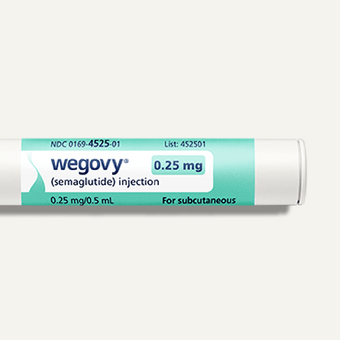
Mounjaro shares the broad safety themes of the other GLP-1 medicines, Wegovy and Saxenda, including cautions about pancreatitis, gallbladder problems and dehydration 3. The exact side-effect frequencies differ between medicines, which is one reason the choice is individual. A balanced comparison is a clinical decision rather than a ranking, made with a prescriber 1.How is Mounjaro's safety monitored?
Mounjaro is a relatively new medicine under additional monitoring, shown by a black triangle, which means suspected side effects are actively collected to keep the safety picture current 2. Patients and professionals can report through the MHRA Yellow Card scheme 2. On top of that, prescribers review how you are doing, including a check at six months for whether the medicine is working 8, and the NHS advises not stopping suddenly without medical advice 5.Your next step
Mounjaro is a licensed medicine with a well-documented safety profile: common, usually mild gut side effects, rarer serious risks like pancreatitis and gallbladder problems, and clear groups for whom it is not suitable. Its safety in practice rests on proper assessment, correct use and ongoing monitoring, rather than on the medicine being risk-free, which no medicine is.
If you are weighing up whether Mounjaro is safe for you, speak to your GP or pharmacist, or start a consultation with a clinician who can review your history and other medicines against these risks. The single most useful thing you can do is be honest about your full medical history, because the assessment is only as good as the information it is based on. Report any side effects through the Yellow Card scheme, and seek urgent advice for persistent, severe abdominal pain. Used in the right person, with the risks understood and managed, Mounjaro is a well-characterised treatment rather than a leap into the unknown.
Disclaimer
This guide is for general information only and does not constitute medical advice, diagnosis or treatment. The information here describes general clinical context based on UK regulatory sources cited above; it is not a recommendation for any specific medicine or treatment, which can only be made by a prescriber following individual assessment.
If you are considering treatment, speak to your GP or pharmacist, or arrange a consultation with a Cloud Pharmacy clinician. Prescription-only medicines are issued only after clinical assessment and where appropriate.
If you experience side effects from any medicine, you can report them through the Yellow Card scheme at yellowcard.mhra.gov.uk.