











How to Manage Nausea, Bloating and Constipation on GLP-1 Medications

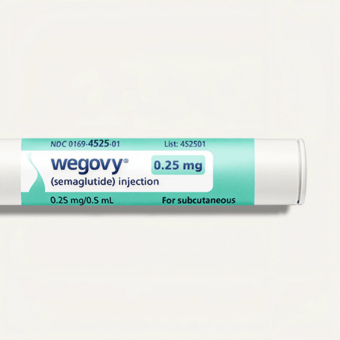
The arrival of GLP-1 receptor agonists like Wegovy (Semaglutide) and Mounjaro (Tirzepatide) has revolutionised weight management in the UK.
For many, these medications provide the first real "break" from a lifetime of food noise and calorie counting.
However, as with any effective clinical treatment, they come with a biological trade-off: your digestive system has to learn a new way of working.
Because GLP-1s work by slowing down gastric emptying (the speed at which food leaves your stomach) and altering gut signals, gastrointestinal side effects are the most common hurdle patients face.
At Cloud Pharmacy, we believe that side effects shouldn't be a reason to give up on your health goals.
With the right management strategies, most symptoms are mild, temporary, and entirely manageable. Here is your clinical guide to navigating the "big three": nausea, bloating, and constipation.
Why Do Side Effects Happen?
To manage side effects, it helps to understand why they occur.
GLP-1 medications mimic the Glucagon-Like Peptide-1 hormone. In nature, this hormone tells your body you’ve eaten enough. When we use it at clinical doses for weight loss:
- Digestion Slows: Food stays in your stomach longer, which can lead to a "heavy" feeling or nausea.
- The Brain-Gut Connection: The medication signals the brain's area postrema (the nausea centre) to reduce appetite, which can occasionally trigger feelings of motion sickness.
- Hydration Shifts: As your body sheds initial weight and processes the medication, it can become easier to get dehydrated, leading to slower bowel movements.
When are they most likely to occur?
Side effects usually peak during the titration phase.
This is the period when you increase your dose (usually every four weeks). Most patients find that symptoms are most noticeable 24 to 48 hours after their weekly injection and typically settle as the body adapts to the new dose.
1. Managing Nausea: The "Green" Phase
Nausea is the most reported side effect, affecting roughly 20-40% of users in clinical trials. It is usually a sign that your stomach is still full or that your blood sugar is shifting.
Clinical Management Strategies:
- Eat Smaller, Frequent Meals: Instead of three large meals, try five "micro-meals." Pushing your stomach to its physical limit while on GLP-1s is a guaranteed recipe for nausea.
- Avoid "Trigger" Foods: High-fat, greasy, or heavily fried foods take even longer to digest. When they sit in a "slow" stomach, they can cause significant queasiness.
- Ginger and Peppermint: Natural remedies are remarkably effective here. Strong ginger tea or peppermint oil capsules can calm the stomach lining.
- The "Stop Before Full" Rule: Because of the delay in brain-gut signalling, you should stop eating when you feel 80% full. If you wait until you feel "stuffed," the nausea will likely hit 20 minutes later.
- Stay Upright: Avoid lying down for at least two hours after eating to allow gravity to assist your slowed digestion.
2. Beating the Bloat: Trapped Air and Slow Digestion
Bloating and "sulphur burps" (burps that taste like hard-boiled eggs) occur because food is fermenting slightly longer in the digestive tract.
Clinical Management Strategies:
- Slow Down: Air swallowed while eating too quickly contributes to bloating. Chew your food thoroughly—aim for 20 chews per bite.
- Limit Carbonation: Fizzy drinks, even diet ones, introduce excess gas into a system that is already moving slowly. Stick to still water or herbal teas.
- Identify Gas-Producers: While vegetables are vital, "cruciferous" greens like broccoli, cauliflower, and cabbage can cause excessive gas. Cook them thoroughly rather than eating them raw to make them easier to break down.
- Over-the-Counter Relief: Products such as Fybocalm (available at Cloud Pharmacy) can help break up gas bubbles in the gut, providing rapid relief from that "inflated" feeling.
3. Conquering Constipation: Keeping Things Moving
Constipation is a common side effect of GLP-1s because the medication slows down the muscle contractions (peristalsis) that move waste through the colon.
Clinical Management Strategies:
- Hydration is Vital: GLP-1s can suppress your thirst drive as well as your hunger. You must consciously drink 2–3 litres of water a day. Without water, your colon will pull moisture from your stool, making it hard to pass.
- The Fibre Balance: You need fibre, but you must introduce it gradually. Soluble fibre (found in oats and psyllium husk) is often gentler than harsh insoluble fibre (like wheat bran) when starting medication.
- Movement: A 15-minute walk after meals helps stimulate the natural contractions of the gut.
- Magnesium Supplements: Many patients find that a magnesium citrate supplement at night helps draw water into the bowel, making morning movements easier and more regular.
The Cloud Pharmacy "Comfort Protocol"
If you are starting Mounjaro or Wegovy, we recommend following this protocol to minimise the risk of a "bad week":
Action | Why it Helps |
Inject at Night | You may sleep through the initial peak of nausea. |
Hydrate Before the Jab | Being well-hydrated before your injection can reduce the intensity of headaches and fatigue. |
Bland Food Days | For the 24 hours following your dose, stick to "beige" or bland foods like crackers, toast, or plain chicken. |
Track Your Bowels | Don't wait five days to address constipation. If you haven't gone in 48 hours, increase your water and fibre immediately. |
When to Seek Medical Advice
While the side effects listed above are common and usually harmless, it is important to know the "red flags."
You should contact your GP or the Cloud Pharmacy clinical team if you experience:
- Severe, persistent abdominal pain that radiates to your back (this can be a sign of pancreatitis, a rare but serious side effect).
- Persistent vomiting where you cannot keep fluids down.
- Complete bowel obstruction (unable to pass gas or stool for several days).
- Severe dehydration (dizziness, dark urine, or fainting).
The Silver Lining: Why Side Effects Fade
The good news is that the human body is incredibly adaptive.
Most patients find that by month two or three, their digestive system has "re-calibrated." The nausea disappears, the bloating settles, and the medication simply feels like a natural part of their biology.
The presence of mild side effects is actually a sign that the medication is working - it is physically changing the way your body processes energy.
By managing these symptoms proactively, you ensure that your weight loss journey is not just successful, but comfortable.
Final Thoughts
Weight loss is a marathon, not a sprint.
Dealing with a bit of nausea or a slow gut is a small price to pay for the profound health benefits of reaching a healthy BMI - but you don't have to suffer in silence.
Use the tools available, listen to your body, and don't be afraid to reach out to our pharmacy team for guidance.
If you have any further concerns, contact the Cloud Pharmacy team.

Nazmul Kadir
Director / Superintendent Pharmacist
Start Your Free Consultation
Complete our online questionnaire so our clinical team can check eligibility for the desired treatment.
- Takes less than 5 minutes to complete
- Reviewed by our UK-based medical team
- Approved treatments dispatched same day (before 3pm)

Related guides
Am I Eligible for Mounjaro?
Age Limits for Weight Loss Medication in the UK
Alcohol and Maintaining Your Weight
Related treatments
Clinically proven, pharmacist-reviewed weight loss treatments.