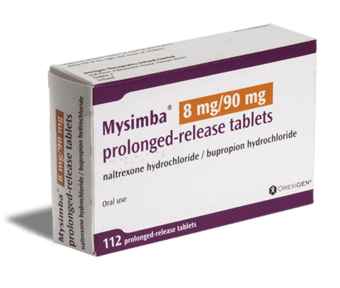







The arrival of GLP-1 (Glucagon-like peptide-1) receptor agonists - such as semaglutide Wegovy and Mounjaro - has transformed the management of type 2 diabetes and chronic obesity in the UK.
For many, these "weight-loss jabs" are life-changing. However, they are not a universal solution.
Because these medications alter gastrointestinal motility and metabolic signalling, they carry a distinct profile of side effects and efficacy markers.
It is crucial to recognise the difference between "getting used to the medicine" and a situation where the treatment is genuinely unsuitable for your body.
This guide explores the signs of non-response, the "red flag" safety symptoms, and the clinical criteria for when to stop.
Understanding "Non-Response"
Not everyone’s biology reacts to GLP-1 analogues in the same way. In clinical trials, a small percentage of participants are classified as "non-responders."
The 5% Rule
In the UK, National Institute for Health and Care Excellence (NICE) guidelines often use a specific benchmark for weight management treatments.
If you have not lost at least 5% of your initial body weight after 12 to 16 weeks on the full maintenance dose, the treatment is generally considered ineffective for you.
Why Non-Response Happens
- Genetic Variation: Differences in GLP-1 receptor sensitivity can mean the medication has a "weak" signal in certain individuals.
- Counter-Regulatory Hormones: Your body may have a highly resilient set-point mechanism that overrides the appetite-suppressing effects of the drug.
- Secondary Factors: Underlying conditions like untreated hypothyroidism or PCOS can sometimes mask the effectiveness of the treatment.
If you find that your appetite remains entirely unchanged and your weight is stagnant despite reaching the higher doses, it may be time to discuss alternative therapies with your GP or pharmacist.
Escalation of Side Effects: When "Normal" Becomes "Severe"
Most users experience mild nausea or changes in bowel habits during the first few weeks or after a dose escalation.
However, there is a line where side effects transition from a manageable nuisance to a clinical risk.
Gastrointestinal Distress
While occasional nausea is expected, intractable vomiting is not.
If you are unable to keep down liquids for more than 24 hours, you risk severe dehydration and electrolyte imbalances. This is a primary reason for treatment discontinuation in the UK.
The "Sulphur Burp" and Reflux
Severe acid reflux or "sulphur burps" can sometimes indicate that gastric emptying has slowed down too much (gastroparesis).
If this causes persistent pain or prevents you from eating a balanced diet, the dose may be too high, or the drug class may be unsuitable.
Heart Rate Changes
GLP-1 medications can slightly increase your resting heart rate.
However, if you experience palpitations, a racing heart while sitting still, or chest tightness, this requires an urgent medical review.
Red Flags: When to Seek Immediate Medical Attention
There are rare but serious complications associated with GLP-1 treatments. If any of the following occur, you must stop the medication and seek medical advice immediately.
Acute Pancreatitis
The most serious "red flag" is inflammation of the pancreas.
- Symptoms: Severe, persistent abdominal pain that may radiate through to your back. This pain is often accompanied by vomiting and does not go away with standard indigestion remedies.
- Action: Seek A&E assessment. Pancreatitis requires hospitalisation and an immediate, permanent cessation of GLP-1 therapy.
Gallbladder Issues
Rapid weight loss and the medication itself can increase the risk of gallstones or cholecystitis.
- Symptoms: Sharp pain in the upper right quadrant of the abdomen, often triggered after a meal, sometimes accompanied by yellowing of the skin or eyes (jaundice).
Severe Allergic Reactions
While rare, anaphylaxis can occur.
- Symptoms: Swelling of the lips, tongue, or throat, difficulty breathing, or a widespread itchy rash/hives.
Mental Health and Wellbeing
The "brain-gut axis" is a powerful pathway.
Because GLP-1 receptors are also present in areas of the brain that regulate reward and mood, some patients report psychological changes.
- Anhedonia: A loss of pleasure in activities you used to enjoy. While "food noise" decreasing is a goal, a total loss of joy in life is a side effect that needs addressing.
- Depression and Suicidal Ideation: Although clinical evidence is still being monitored, if you notice a significant low mood or thoughts of self-harm, you must stop the treatment and contact a mental health professional or your GP.
"When to Stop": A Clinical Perspective
Beyond side effects, there are logistical and physiological reasons to cease treatment:
- Pregnancy and Breastfeeding: GLP-1 medications are not approved for use during pregnancy. In the UK, it is recommended to stop the medication at least two months before a planned pregnancy.
- Surgical Procedures: Because these drugs slow stomach emptying, they pose an aspiration risk during general anaesthesia. Most UK surgeons now require patients to stop GLP-1s one to two weeks before any elective surgery.
- Achieving Target Weight: For some, the medication is a "bridge" to a healthier lifestyle. If you have reached your target and have a robust plan for maintenance through diet and exercise, you may choose to taper off under medical supervision.
Summary Table: Is It Right for You?
Category | Signs to Continue (Adjusting) | Signs to Stop/Consult |
Weight Loss | Steady loss (0.5kg–1kg per week). | Less than 5% loss after 16 weeks. |
Nausea | Mild, settles after a few days. | Constant vomiting, unable to hydrate. |
Abdominal Pain | Mild bloating or "full" feeling. | Severe, radiating pain (back/shoulder). |
Mood | Feeling "in control" of food. | Persistent low mood or loss of interest. |
Bowel Habits | Occasional constipation/diarrhoea. | Complete bowel obstruction or bloody stools. |
Conclusion: Trust Your Body
The narrative around GLP-1 medications often focuses entirely on the "miracle" of weight loss. This can make patients feel like a failure if the drug doesn't work for them or makes them feel unwell.
If your quality of life is severely diminished by side effects, or if the medication is simply not yielding results after a fair trial at the maximum dose, it is not a personal failure.
It is a biological mismatch. Your healthcare provider has other tools - including different medication classes or surgical options - that may be safer and more effective for you.