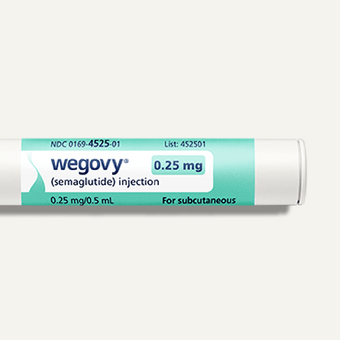






This guide sets out what the longer-term Wegovy evidence shows, drawing on the multi-year cardiovascular outcomes trial and the two-year weight trial described in the UK Summary of Product Characteristics, plus the NHS. It pairs with our guide on the Wegovy results timeline.
What 'long-term' evidence actually means here
It is worth being precise about the evidence. The longest and largest datasets in the Wegovy SmPC come from controlled trials: a cardiovascular outcomes trial (SELECT) in which around 8,800 people were treated for a median of over three years, and a two-year weight-management trial (STEP 5)12. These are the basis for what we can say about longer-term use.
This guide therefore focuses on that trial evidence rather than anecdotal or unverified 'real-world' reports, which is the honest way to discuss longer-term safety 1. The picture it gives is of a side-effect profile that stays broadly consistent over time, with a few specific signals worth knowing 1.
The sections below take those in turn: what the multi-year data shows, what tends to settle versus persist, and the specific longer-term signals to be aware of 1.
The multi-year cardiovascular outcomes data (SELECT)
In the SELECT trial, around 8,800 adults with established cardiovascular disease and obesity or overweight were treated with Wegovy for a median of about 37 months, with a similar number on placebo 1. This is the largest and longest controlled exposure in the licence.
In that trial, 16 percent of Wegovy-treated people discontinued the medicine because of an adverse event, compared with 8 percent on placebo, which gives a sense of tolerability over years rather than months 1. The overall profile remained consistent with what was seen in the shorter weight-management trials 1.
So the multi-year data does not reveal a dramatic new set of problems emerging with time; rather, it extends confidence that the known side-effect profile holds over a longer period 1. The specific longer-term signals are covered below, and it is reassuring that they are the same signals seen earlier rather than wholly new ones appearing only with extended use 1.
The discontinuation figures are worth dwelling on, because they say something useful about real tolerability over years rather than weeks 1. That most people in a multi-year trial stayed on treatment, with around one in six stopping for an adverse event compared with about one in twelve on placebo, suggests the medicine is broadly tolerable long-term for the majority, while being honest that a meaningful minority do stop because of side effects 1. It is the kind of balanced figure that is more informative than either reassurance or scare stories, and it reflects experience accumulated over a median of more than three years 1.
The two-year weight trial (STEP 5)
Alongside the cardiovascular trial, a two-year weight-management trial (STEP 5) assessed semaglutide 2.4 mg over 104 weeks 2. This provides dedicated longer-term evidence in the weight-management setting specifically, rather than only in people with cardiovascular disease 2.
The relevance for side effects is that the safety profile over two years was consistent with the profile seen in the shorter trials, reinforcing that the known effects, rather than new ones, are what to expect over longer use 12. Weight loss was sustained over the two years in the trial 2.
Together with the cardiovascular data, this gives a longer-term evidence base measured in years, which is what people usually want to know about when they ask about long-term use 12.
Having two complementary longer-term datasets is reassuring in itself, because they cover different groups 12. The cardiovascular trial looked at people with established heart disease and obesity or overweight over several years, while the two-year weight trial looked specifically at the weight-management setting 12. That the side-effect picture held up consistently across both, rather than only in one, adds weight to the conclusion that the known profile is what to expect over longer use rather than something that changes markedly with time 12.
Considering treatment for weight management? You can start an assessment with a Cloud Pharmacy clinician, who will review your medical history and confirm whether treatment is appropriate.
Longer-term signals to be aware of
A few specific signals are worth knowing for longer-term use. Gallstones (cholelithiasis) were reported as a common effect, partly linked to weight loss itself, and can occasionally lead to gallbladder inflammation 1. A small increase in heart rate, on average a few beats per minute, was also seen 1.
Rarely, semaglutide has been linked to non-arteritic anterior ischaemic optic neuropathy (NAION), an eye condition; epidemiological data suggest a roughly two-fold rise in relative risk in people with type 2 diabetes, corresponding to about one extra case per 10,000 person-years, and sudden vision loss should be assessed urgently 13. In the cardiovascular trial, more fractures of the hip and pelvis were reported on Wegovy than placebo in women and in people aged 75 and older 1.
These are specific signals to be aware of rather than common experiences, and the NHS lists sudden vision loss and worsening diabetic retinopathy among the serious side effects to act on 3. None of this changes the everyday picture for most people, but it is part of an honest longer-term account 13.
What settles and what persists
The most common side effects, the gut effects like nausea, vomiting and diarrhoea, are mostly an early, dose-escalation phenomenon: the SmPC notes they were most frequently reported during escalation and were generally mild to moderate and short-lived 1. So for most people these ease rather than persisting long-term.
What may persist or appear over time are the less common signals above, and the small heart rate change, which is why longer-term treatment is not a case of set and forget 1. The broad message is reassuring on the common effects and watchful on the specific signals 13.
Our guide on managing nausea and the other gut effects covers the early period, which is when most people find side effects most noticeable 1.
This pattern, common effects front-loaded and easing, less common signals spread thinly across longer use, is a helpful mental model for thinking about long-term treatment 1. It means the experience most people remember from starting Wegovy, the nausea and other gut effects of the first weeks, is not generally what long-term use feels like, since those settle as the body adapts 1. What replaces them is not a worse set of everyday symptoms but a need to stay aware of the specific, less common signals and to keep up the regular review that lets them be picked up early if they do occur 13.
Staying monitored on long-term treatment
Because some signals are longer-term, staying under review matters. The NHS advises speaking to a pharmacist or doctor about side effects that bother you or do not go away, and calling 111 if you think you might be having serious side effects, which includes sudden vision changes or severe abdominal pain 3.
Treatment also has a built-in review structure: it is reviewed against a weight-loss marker, and on the NHS it is used within a specialist service for a defined period, which keeps it under clinical oversight 13. Reporting any suspected side effects through the MHRA Yellow Card scheme helps keep the longer-term picture current for a medicine still accumulating real-world experience 1.
So the practical approach to long-term use is to expect the common effects to settle, stay alert to the specific signals, and keep the regular contact with your prescriber that treatment is meant to involve 13.
It is also worth saying that the longer-term evidence, while reassuring on the whole, is still growing, and being honest about that is part of using the medicine sensibly 1. The trial data over several years does not show new, common problems emerging, but it is not the same as decades of use, so ongoing monitoring and reporting are how the picture continues to be filled in 13.
Frequently asked questions
What are the long-term side effects of Wegovy?
The common gut effects are mostly early and settle, while longer-term signals to be aware of include gallstones, a small rise in heart rate, rare NAION (an eye condition) and, in some groups, more fractures 1. This comes from a multi-year cardiovascular trial and a two-year weight trial, where the overall profile stayed consistent over time 12.Is Wegovy safe to take long-term?
The longer-term trial evidence, from a multi-year cardiovascular outcomes trial and a two-year weight trial, shows a side-effect profile that stays broadly consistent over time rather than new common problems emerging 12. Specific signals like gallstones, heart rate and rare eye effects are worth knowing, and staying under clinical review matters 13.Do Wegovy side effects get worse over time?
Generally the opposite for the common gut effects: the SmPC notes nausea, vomiting and diarrhoea are most frequent during dose escalation and are mostly mild to moderate and short-lived, so they tend to ease 1. The signals that are more relevant over time are the less common ones like gallstones and rare eye effects 1.How many years of Wegovy data are there?
The longest controlled exposure is the SELECT cardiovascular trial, where around 8,800 people were treated for a median of about 37 months (over three years), plus a two-year weight trial (STEP 5) 12. So the longer-term evidence is measured in years, though real-world experience is still accumulating 1.What serious long-term effects should I watch for on Wegovy?
Be aware of sudden vision loss (rarely linked to NAION, an eye condition), severe persistent abdominal pain (which can signal gallbladder problems or pancreatitis), and worsening diabetic retinopathy in type 2 diabetes 13. The NHS advises calling 111 for suspected serious side effects and urgent assessment for sudden vision changes 3.Does Wegovy affect your heart rate long-term?
A small mean increase in heart rate, on average around 3 beats per minute, was seen in the trials 1. It is a recognised effect rather than a common problem, and it is one of the things kept in view under the clinical oversight that longer-term treatment is meant to involve 13.Your next step
The longer-term Wegovy evidence comes mainly from a multi-year cardiovascular outcomes trial and a two-year weight trial, in which the side-effect profile stayed broadly consistent over time. The common gut effects are mostly an early, dose-escalation issue that settles, while longer-term signals to know about include gallstones, a small rise in heart rate, rare NAION and, in some groups, more fractures.
Expect the common effects to ease, stay alert to the specific signals such as sudden vision changes or severe abdominal pain, and keep the regular review that treatment is meant to involve. Call 111 for suspected serious side effects, and report anything through the Yellow Card scheme to help keep the longer-term picture current. The overall message from the multi-year evidence is broadly reassuring, while being honest that experience is still accumulating and that the picture continues to be filled in as more people take the medicine for longer.
Disclaimer
This guide is for general information only and does not constitute medical advice, diagnosis or treatment. The information here describes general clinical context based on UK regulatory sources cited above; it is not a recommendation for any specific medicine or treatment, which can only be made by a prescriber following individual assessment.
If you are considering treatment, speak to your GP or pharmacist, or arrange a consultation with a Cloud Pharmacy clinician. Prescription-only medicines are issued only after clinical assessment and where appropriate.
If you experience side effects from any medicine, you can report them through the Yellow Card scheme at yellowcard.mhra.gov.uk.