











How GLP-1 and GIP Medications Actually Work: An Evidence-Based Guide

The landscape of metabolic medicine has been transformed by the use of incretin mimetics.
While drugs like Mounjaro and Wegovy have become household names, the biological mechanisms that drive their efficacy are often oversimplified.
To understand how these treatments work, we must look beyond the "willpower" narrative and into the complex endocrine signalling pathways between the gut and the brain.
The Incretin Effect: A Biological Foundation
In a healthy metabolic system, the body uses hormones called incretins to manage energy.
When we eat, the intestines release two primary hormones: Glucagon-like peptide-1 (GLP-1) and Glucose-dependent insulinotropic polypeptide (GIP).
These hormones tell the pancreas to release insulin, signal the liver to stop producing excess sugar, and - most importantly for weight management - communicate with the brain to signal satiety.
However, naturally occurring incretins have a half-life of mere minutes before being broken down by an enzyme called DPP-4.
Modern medications are engineered to resist this breakdown, staying in the system for days rather than minutes.
This effectively "turns up the volume" on the body’s natural fullness signals.
Dual Mechanisms: GLP-1 vs. GIP
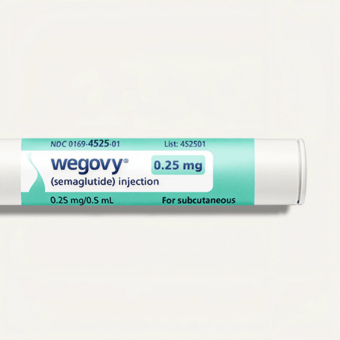
While some medications (like Wegovy) focus solely on GLP-1, others (like Mounjaro) are "dual agonists" that target both GLP-1 and GIP receptors.
1. The Role of GLP-1
GLP-1 is the primary driver of gastric emptying slowing.
By delaying the rate at which food leaves the stomach, it creates a physical sensation of fullness that lasts significantly longer after a meal.
At a neurological level, GLP-1 receptors in the hypothalamus - the brain's appetite control centre - are activated, reducing the drive for food.
2. The Role of GIP
Historically, GIP was thought to be less important for weight loss, but recent evidence suggests it is a powerful metabolic regulator.
GIP appears to act on the brain’s lipid (fat) metabolism and may even buffer some of the nausea associated with GLP-1.
In a dual-agonist setting, GIP works synergistically with GLP-1 to improve how the body stores and burns fat, potentially leading to greater weight loss than GLP-1 alone.
Silencing 'Food Noise' and Enhancing Fullness
Perhaps the most profound effect reported by patients is the reduction of "food noise".
This refers to the intrusive, constant thoughts about food, cravings, and the "reward-seeking" behaviour associated with eating.
- The Reward Centre: These medications don't just affect hunger; they affect the brain's dopaminergic pathways (the reward system). By modulating these signals, the "hit" of pleasure derived from high-calorie foods is dampened.
- Satiety vs. Hunger: There is a clinical distinction between suppressing hunger (the physical need for fuel) and increasing satiety (the feeling of being finished). GLP-1s excel at the latter, making it easier for individuals to stop eating midway through a meal without feeling deprived.
Why Doses are Increased Over Time: Titration
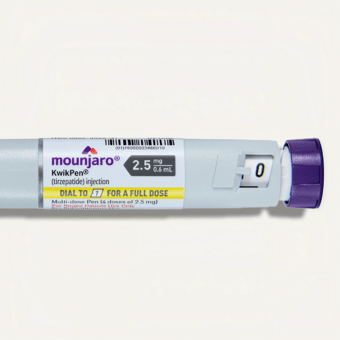
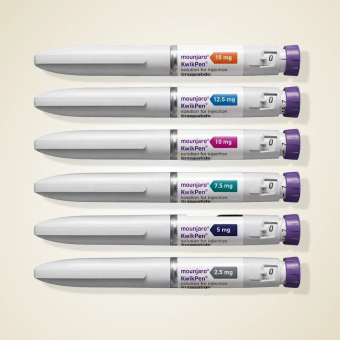
Patients usually begin on a "starter dose" (2.5mg for Mounjaro) which is insufficient for significant weight loss. This gradual increase, known as titration, serves two primary purposes:
- Gastrointestinal Adaptation: The most common side effects - nausea, reflux, and changes in bowel movements - occur because the body is not used to delayed gastric emptying. Titration allows the gut's nervous system to adapt slowly.
- Overcoming Homeostasis: The body is a master of "set points" and will often try to fight weight loss by lowering metabolic rate. Gradually increasing the dose ensures the metabolic signal remains strong enough to overcome these counter-regulatory mechanisms.
Clinical Expectations: What the Evidence Says
Weight loss outcomes vary depending on the specific medication and the individual's starting point, but clinical trials (such as the STEP and SURMOUNT programmes) provide clear benchmarks.
Medication Type | Typical Weight Loss (at 1 year+) | Key Feature |
GLP-1 Only (Wegovy) | 15% – 18% of total body weight | Strong appetite suppression & gastric slowing. |
GLP-1 / GIP Dual (Mounjaro) | 20% – 22.5% of total body weight | Enhanced metabolic efficiency & fat utilisation. |
Note: These figures are averages from clinical trials where medication was combined with lifestyle interventions. Individual results can be higher or lower depending on adherence and metabolic health.
The Importance of Muscle Preservation
A common critique of rapid weight loss via incretins is the loss of lean muscle mass.
Because these drugs work so effectively at reducing calorie intake, it is vital to prioritise protein consumption and introduce resistance training.
When the "food noise" is silenced, patients must be intentional about eating nutrient-dense foods to ensure the weight lost is predominantly adipose tissue (fat) rather than functional muscle.
How to take GLP-1 or GIP medications
Successfully using GLP-1 and GIP medications requires more than just the injection itself. It involves careful storage, precise administration, and proactive side-effect management.
1. Storage and Preparation
- Keep it Cool: Unopened pens must be stored in the refrigerator (2°C to 8°C). Do not freeze them; if a pen freezes, it is no longer safe to use.
- In-Use Pens: Once opened, Wegovy can stay at room temperature (below 30°C) for up to 42 days, while Mounjaro lasts for 30 days. Always keep them in the original box to protect the medicine from light.
- The Clarity Check: Before injecting, check the liquid. It should be clear and colourless (or slightly yellow). If it is cloudy or contains particles, discard it.
2. Administration Tips
- The Right Spot: Inject into the abdomen (at least 2 inches from the belly button), thigh, or upper arm.
- Rotate Weekly: To prevent skin irritation or lumps, change your injection site every week.
- Priming (Mounjaro): If using the Mounjaro KwikPen, you must prime the pen before the first use of each new pen to remove air bubbles and ensure a full dose.
3. Missing a Dose
- Wegovy: If you are within 5 days of your missed dose, take it as soon as you remember. If more than 5 days have passed, skip it.
- Mounjaro: If you are within 4 days of your missed dose, take it immediately. If more than 4 days have passed, skip it.
- Crucial Rule: Never take two doses within 3 days (72 hours) of each other.
4. Safety First
If you experience severe, persistent abdominal pain that radiates to your back, seek medical attention immediately, as this can be a sign of pancreatitis.
Additionally, if you use Mounjaro and an oral contraceptive pill, the NHS recommends using an extra barrier method (like condoms) for four weeks after starting or increasing your dose.
This is because the delayed gastric emptying may affect the absorption of oral medication.
Summary
GLP-1 and GIP medications are not "cheats" or "easy ways out."
They are sophisticated hormonal tools that correct underlying biochemical imbalances in the hunger-satiety loop.
By slowing digestion and recalibrating the brain’s relationship with food, they allow patients to achieve a level of weight loss that was previously biologically unsustainable.

Nazmul Kadir
Director / Superintendent Pharmacist
Start Your Free Consultation
Complete our online questionnaire so our clinical team can check eligibility for the desired treatment.
- Takes less than 5 minutes to complete
- Reviewed by our UK-based medical team
- Approved treatments dispatched same day (before 3pm)

Related guides
Am I Eligible for Mounjaro?
Age Limits for Weight Loss Medication in the UK
Alcohol and Maintaining Your Weight
Related treatments
Clinically proven, pharmacist-reviewed weight loss treatments.