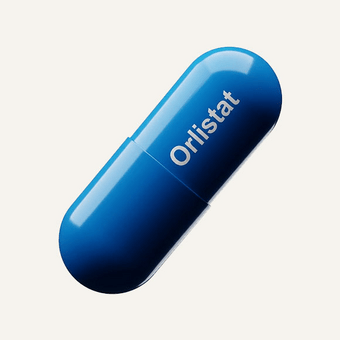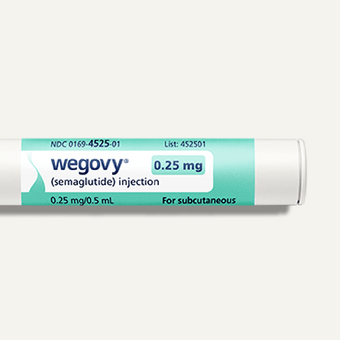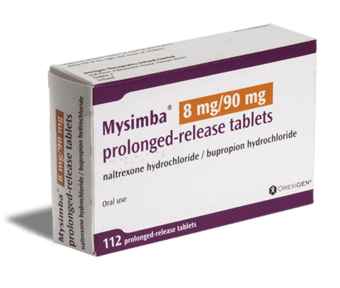







For thousands of people across the UK, medications like Wegovy (Semaglutide) and Mounjaro (Tirzepatide) have been nothing short of revolutionary.
These GLP-1 receptor agonists have fundamentally changed the conversation around weight management, providing a clinical solution to a problem that was once wrongly dismissed as a simple lack of willpower.
However, as more patients reach their target weights, a crucial and often anxiety-inducing question has come to the forefront: "What happens when I stop?"
At Cloud Pharmacy, we believe in providing a realistic, evidence-based roadmap for the entire journey - including the transition phase.
Clinical data, such as the STEP 4 and SURMOUNT-4 trials, indicates that many individuals regain a portion of their lost weight within a year of discontinuing the medication.
Understanding the biological "why" behind this regain is the first step toward preventing it.
Why Does the Weight Come Back? The Biological "Snap-Back"
It is vital to view obesity not as a temporary hurdle to be cleared, but as a chronic, long-term condition.
Much like high blood pressure or asthma, the symptoms are managed by the medication; they are not "cured" by it.
When the medication is withdrawn, the underlying biological drivers of weight gain can re-emerge.
The Return of "Food Noise"
The most significant impact of GLP-1 and GIP medications is their ability to silence "food noise" - that intrusive, constant background chatter in the brain that fixates on the next meal or a specific craving. These medications mimic satiety hormones that tell your brain you are satisfied. Once the drug leaves your system, those receptors are no longer being stimulated. For many, the "noise" returns, making it feel as though they are fighting a psychological battle they haven't had to face in months.
Increased Gastric Speed
One of the physical ways Mounjaro and Wegovy work is by slowing down gastric emptying. This ensures that food stays in your stomach longer, physically extending the sensation of fullness. Without the medication, your digestive tract returns to its original speed. You may find that a portion size that once kept you full for five hours now only satisfies you for two, leading to increased "grazing" or larger meal portions.
Metabolic Adaptation (The "Set-Point" Struggle)
Your body has a "set-point" - a weight it is biologically programmed to defend. When you lose a significant amount of weight quickly, your body perceives this as a threat to your survival.
It responds by lowering your basal metabolic rate (BMR) and increasing hunger hormones like ghrelin.
While you are on weight loss medication, these signals are suppressed.
When you stop, the medication is no longer there to "buffer" this metabolic adaptation, and the body may try to aggressively pull you back toward your previous weight.
How to Minimise Weight Regain: 4 Practical Steps
While the physiological "safety net" of the medication may be gone, weight regain is not inevitable.
By implementing these evidence-based strategies, you can defend your progress and maintain your new, healthier weight.
Prioritise Protein and Fibre: Your Natural Satiety Tools
Without the chemical suppression of appetite, you must rely on "satiety-dense" nutrition to manage hunger.
- Protein: Lean meats, fish, eggs, beans, and tofu require more energy to digest and are highly effective at signalling fullness to the brain.
- Soluble Fibre: Foods like oats, lentils, chickpeas, and leafy greens absorb water and swell in the gut, physically mimicking the "full stomach" feeling that the medication used to provide.
- The Strategy: Every meal should be built around a protein source and a high-fibre vegetable. This creates a "mechanical" fullness that helps bridge the gap left by the medication.
Muscle is Your Metabolic Engine
One of the hidden risks of rapid weight loss on GLP-1s is the loss of lean muscle mass.
Muscle tissue is metabolically active; it burns significantly more calories at rest than fat tissue does. If you lose muscle while on the medication, your metabolism will be slower once you stop.
The Strategy: Prioritise resistance training (weights, resistance bands, or bodyweight exercises) at least twice a week. Protecting and building muscle "insulates" your metabolism, ensuring that your body continues to burn calories efficiently even after the drug has cleared your system.
Consider a "Step-Down" or Tapering Approach
In clinical practice, suddenly stopping a maximum dose (e.g., 2.4mg of Wegovy or 15mg of Monjaro) can be a significant shock to the system.
The sudden return of appetite can be overwhelming, leading to a "rebound" effect where patients overeat in response to the new intensity of hunger.
The Strategy: Many clinicians now recommend a gradual tapering process. This involves slowly reducing the dose over several months (e.g., moving from 15mg to 12.5mg, then 10mg, and so on). This "step-down" approach gives your brain and your newly formed habits time to adjust to the incremental return of natural hunger signals.
Build a "Supportive Environment" and Stay Accountable
The habits you formed while on the medication - portion control, choosing water over sugary drinks, mindful eating - must transition from "something the drug makes me do" to "something I choose to do."
The Strategy: The first six months after stopping treatment is the highest-risk period for weight regain. Use tools like food journals, apps, or regular weigh-ins to stay accountable. If you see the scales creep up by more than 3-5lbs, it is much easier to course-correct immediately than to wait until you have regained more.
The Bottom Line: Scaffolding, Not a Cure
At Cloud Pharmacy, we like to describe Mounjaro and Wegovy as the scaffolding that allows you to renovate your life.
The scaffolding is essential for the construction phase, but eventually, the building must stand on its own foundation.
These medications are not a permanent "cure" for obesity, but they are a powerful tool to reset your metabolic health.
By focusing on high-protein nutrition, consistent strength training, and a gradual transition plan, you can protect your hard-earned results.
Your weight-loss journey doesn't end when the injections stop; it simply enters a new, empowered phase of maintenance.