






In the UK, the arrival of Mounjaro has been hailed as a landmark moment in the treatment of obesity and Type 2 diabetes.
For many, the weight loss is rapid, the "food noise" disappears almost overnight, and blood sugar levels stabilise within weeks.
However, there is a small but significant group of people who find themselves standing on the scales, looking at a number that hasn’t budged, and asking: "Why isn’t it working for me?"
If you feel like you are the only person not seeing results, the first thing to know is that you are not alone, and you are not "broken."
There are several biological, lifestyle, and clinical reasons why Mounjaro might seem ineffective in the early stages.
Here is a guide to the most common reasons and the steps you can take to get back on track.
The "Starter Dose" Misconception
The most common reason for a perceived lack of progress is simply being at the start of the journey.
In the UK, the standard Mounjaro dosing schedule begins at 2.5 mg for the first four weeks.
It is vital to understand that the 2.5 mg dose is sub-therapeutic. This means it is not designed for significant weight loss; its primary purpose is to introduce the medication to your body gradually, reducing the risk of severe gastrointestinal side effects.
- The Reality: Many people do not experience significant appetite suppression or weight loss until they reach the 5 mg, 7.5 mg, or even 10 mg doses.
- What to do: Have patience. If you are on 2.5 mg and feeling "nothing," your body is simply acclimating. Stick to the titration schedule recommended by your GP or pharmacist.
Biological "Non-Responders"
In every clinical trial, including the SURMOUNT trials for Mounjaro, there is a small percentage of "non-responders."
While Mounjaro is a dual agonist (targeting GLP-1 and GIP), every human body has a unique hormonal profile.
Some people may have different receptor sensitivities, or their obesity may be driven by pathways that these specific hormones don't address as effectively.
- The Reality: Research suggests that around 10% to 15% of people may lose less than 5% of their body weight on these medications.
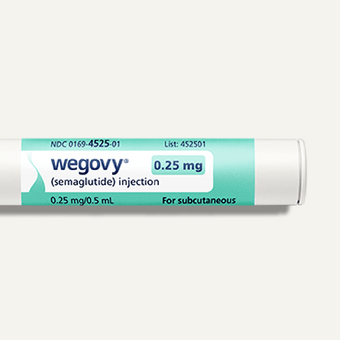
- What to do: Before labelling yourself a non-responder, you generally need to be on a "maintenance dose" (10 mg or higher) for at least 12 weeks. If there is still no change, it may be time to discuss alternative medications, such as Wegovy, with your consultant.
The "Hidden Calorie" Trap
Mounjaro is exceptionally good at suppressing appetite, but it cannot override the laws of thermodynamics. To lose weight, you must be in a calorie deficit.
Sometimes, the medication suppresses hunger for solid food, but users inadvertently compensate with "liquid calories." In the UK, common culprits include:
- Fancy Coffees: Lattes and cappuccinos from high-street chains can contain 200–400 calories.
- Alcohol: Wine and beer are calorie-dense and can lower your inhibitions, leading to "mindless grazing" in the evening.
- Healthy but Dense Foods: Avocados, nuts, and olive oil are nutritious but very high in energy.
- What to do: For one week, use a tracking app like MyFitnessPal or Nutracheck to log everything that passes your lips. You might be surprised to find you are eating more than you realised, despite feeling "less hungry."
Under-Eating and the "Starvation Stall"
While the "starvation mode" theory is often exaggerated, there is a grain of truth in it for GLP-1 users.
If you are eating too little - for example, fewer than 800–1000 calories a day - your body may react by slowing down your Basal Metabolic Rate (BMR) to conserve energy.
Furthermore, if you don't eat enough protein, your body will break down muscle mass for energy.
Since muscle burns more calories at rest than fat, losing muscle makes it even harder to lose weight in the long run.
What to do: Ensure you are hitting a minimum protein goal (usually 60g–80g for women, 80g–100g for men) and eating at least 1,200 calories daily, depending on your height and activity levels.
Medical Interference: PCOS and Insulin Resistance
For women in the UK dealing with Polycystic Ovary Syndrome (PCOS) or individuals with severe Insulin Resistance, the weight loss journey can be significantly slower.
In these cases, the body's hormonal environment is stubbornly geared towards fat storage.
While Mounjaro is an excellent tool for improving insulin sensitivity, it may take longer to "untangle" the metabolic knots caused by these conditions.
- What to do: Work with your GP to monitor your HbA1c and fasting insulin levels. You may find that while the scale isn't moving, your internal health markers are improving significantly, which is a precursor to future weight loss.
The "Slowing Gastric Emptying" Plateau
As we know, Mounjaro slows down the rate at which food leaves your stomach. Initially, this causes rapid weight loss (often partly water weight).
However, as the body adjusts, it may "plateau" as it finds a new equilibrium.
Additionally, if your digestion slows too much, you may experience constipation.
In the UK, "transit time" issues are a frequent cause of the scales staying still. If you haven't "gone" in three or four days, the weight you see on the scale is literal physical waste, not fat.
- What to do: Increase your fibre intake and stay hydrated. If constipation is an issue, ask your pharmacist for a gentle osmotic laxative.
The Importance of Non-Scale Victories (NSVs)
Sometimes Mounjaro is working, but the scale is a "liar."
If you are starting an exercise regime alongside your medication, you may be gaining muscle while losing fat.
Because muscle is denser than fat, your weight might stay the same even though your body composition is changing.
- What to do: Stop relying solely on the scales. Take measurements of your waist, hips, and neck. Try on a pair of "goal trousers" that used to be tight. If your clothes fit better and your energy is up, the medication is working.
Summary Checklist: What to Do Next
If you feel Mounjaro isn't working, follow this step-by-step audit:
- Check your dose: Are you still on 2.5 mg or 5 mg? If so, wait until you reach 10 mg before making a final judgement.
- Audit your protein: Are you eating at least 1.2g of protein per kg of body weight?
- Track your fluids: Are you drinking 2 litres of water and avoiding liquid calories?
- Move your body: Are you incorporating at least 150 minutes of moderate activity a week (even just brisk walking)?
- Review your meds: Are you taking other medications (like certain antidepressants or steroids) that might hinder weight loss?
When to Seek Help
If you have reached the 10 mg or 12.5 mg dose, have been tracking your calories accurately, are maintaining a healthy lifestyle, and have still seen less than 5% weight loss after 6 months, it is time for a formal clinical review.
Your prescriber may want to check your thyroid function (TSH levels) or screen for other metabolic "blockers" like Cushing’s syndrome.
Remember, Mounjaro is a tool, not a cure-all.
It provides the "quiet" in your head and the "fullness" in your stomach, but the physical results are still a result of a complex interplay between your genetics, your history, and your daily habits.
Give yourself grace, give the medication time, and keep communicating with your doctor or pharmacist.