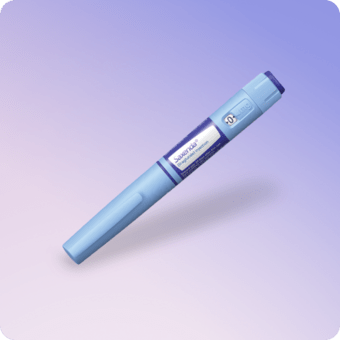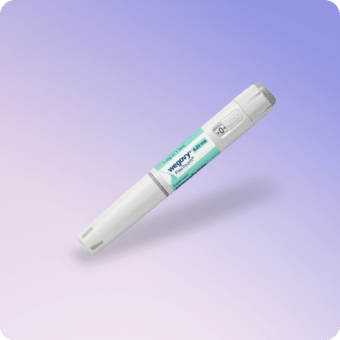






While medications like Wegovy (Semaglutide) and Mounjaro (Tirzepatide) are exceptionally effective at reducing physical hunger and silencing the constant "food noise," they aren't a magic cure for the psychological side of eating.
These medications work on the physiological pathways - the hormones and brain receptors that tell you when you are physically empty. However, they do not automatically "rewire" the emotional reasons we reach for food.
At Cloud Pharmacy, we recognise that food serves many purposes.
For many of us, it is a way to celebrate, a comfort during periods of high stress, or a deeply ingrained habit linked to specific times of day or social cues.
If you find yourself reaching for snacks despite feeling physically full, or even while the medication is making you feel slightly indifferent to food, you are likely dealing with emotional hunger.
Managing this requires a different toolkit than simply managing a caloric deficit. By addressing the "why" behind your eating, you can ensure that the weight loss you achieve on your GLP-1 journey is sustainable for the long term.
Physical Hunger vs. Emotional Hunger: How to Tell the Difference
The first step in regaining control is developing the self-awareness to distinguish between a biological need for fuel and an emotional need for comfort.
Because GLP-1 medications suppress physical hunger so effectively, any "urge" to eat that arises during treatment is often emotional in nature.
4 Strategies to Manage Emotional Hunger
The medication provides the biological "breathing room" you need to implement new habits. Think of the medication as the scaffolding; these strategies are the bricks and mortar of your new lifestyle.
The "15-Minute Rule"
When a craving strikes, your brain's "reward centre" is firing rapidly. The urge feels overwhelming because it is a short-circuit in the brain. The 15-minute rule is a simple but powerful psychological tool. Tell yourself: "I can have that food, but I have to wait 15 minutes first."
During those 15 minutes, you must do something completely different that engages either your body or your mind:
- Make a cup of herbal tea (the ritual of brewing is soothing).
- Go for a brisk walk around the block.
- Call a friend or family member for a chat.
- Do five minutes of light stretching or a quick household chore.
Why it works: Emotional hunger often peaks and then passes relatively quickly. By creating a mandatory delay, you allow the "emotional storm" to subside, giving the logical side of your brain time to catch up with the impulsive side. Often, after 15 minutes, the intensity of the craving has vanished.
Identify Your Triggers (The Hunger Journal)
Emotional eating is rarely random. It is usually a response to specific emotions - such as stress, boredom, loneliness, or even happiness - or environmental cues, like passing a specific bakery or seeing a food advert on TV.
The Fix: Start a "Hunger Journal" for just one week. Whenever you feel an urge to eat, note down:
- What was I doing?
- What was I feeling? (e.g., "I just had a stressful meeting" or "I am bored watching Netflix").
- Was my stomach actually growling?
Once you identify that your trigger is "Work Stress," you can find a non-food activity to fill that gap, such as deep-breathing exercises or listening to a specific podcast.
Change Your Environment (The "Path of Least Resistance")
Your environment often dictates your choices more than your willpower does. If your kitchen pantry is stocked with high-calorie "trigger" foods, you are forcing yourself to use willpower every time you walk into the kitchen.
On GLP-1 medications, your willpower is stronger, but it is not infinite.
The Fix: Make the healthy choice the easy choice.
- Visibility: Keep a bowl of fresh fruit or pre-chopped vegetables at eye level in the fridge.
- Inconvenience: If you must have treats in the house for other family members, keep them in an opaque container on a high shelf or in a different room.
- The Shop Rule: Never go food shopping when you are feeling emotional or shortly before your next dose is due, as your "food noise" might be slightly higher then.
Practice Mindful Eating
GLP-1 medications like Mounjaro work by sending "fullness" signals to the brain.
However, if you are distracted, you can easily ignore these signals. Many people discover they have finished a whole meal without even tasting it because they were scrolling on their phone or watching the news.
The Fix: Engage all your senses.
- The "No Screens" Rule: Eat at a table, not on the sofa. Put away your phone and turn off the TV.
- The 20-Chew Challenge: Try to chew each mouthful 20 times. This slows down the pace of the meal, giving your stomach time to communicate with your brain.
- The Mid-Meal Check-in: Halfway through your plate, put your cutlery down. Ask yourself, "On a scale of 1 to 10, how full do I feel right now?" If you are at a 7, it’s okay to stop and save the rest for later.
When to Seek Further Support
While these strategies work for many, emotional eating can sometimes be deeply rooted in past trauma or complex psychological patterns.
If you find that emotional eating is significantly impacting your quality of life, causing severe distress, or hindering your progress despite the medication, it may be beneficial to speak with a professional.
A therapist or counsellor specialising in Cognitive Behavioural Therapy (CBT) for eating behaviours can help you untangle the relationship between your emotions and the plate.
There is no shame in seeking support; obesity is a multi-faceted disease, and treating the mind is just as important as treating the metabolism.
The Bottom Line: Your "Pause Button"
At Cloud Pharmacy, we like to say that GLP-1 medication gives you a "pause button" on hunger.
Before you started treatment, the "food noise" might have been so loud that you didn't even realise you were eating for comfort until the bag of crisps was empty.
Now, the medication has turned down the volume. Use this quiet period to practice these new behaviours.
If you can master the 15-minute rule and identify your triggers now, those skills will serve you long after you have reached your target weight and potentially stopped taking the medication.
You are not just losing weight; you are building a new relationship with food.