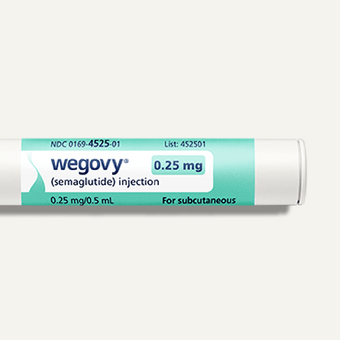







Embarking on a GLP-1 journey - whether you are using Mounjaro or Wegovy - marks a significant shift in your relationship with food.
For many in the UK, the biggest challenge isn't "dieting" in the traditional sense; it’s actually ensuring you eat enough of the right things.
When your appetite is suppressed and "food noise" is silenced, it is easy to fall into the trap of grazing or skipping meals entirely.
However, to maintain your energy, protect your muscle mass, and avoid "GLP-1 fatigue," a structured weekly meal plan is essential.
Here is how to build a balanced, UK-friendly menu that works with your medication, not against it.
The Three Pillars of GLP-1 Nutrition
Before we look at the days of the week, we must understand the three "non-negotiables" for anyone on a GLP-1 regime:
- Protein is King: As you lose weight, your body naturally wants to burn muscle as well as fat. Consuming high levels of protein (around 1.2g to 1.5g per kg of body weight) helps preserve your lean muscle, which keeps your metabolism firing.
- Hydration and Electrolytes: These medications can be dehydrating. Water is vital, but you also need electrolytes (sodium, magnesium, and potassium) to prevent the headaches and "brain fog" often associated with rapid weight loss.
- Fibre for Transit: Because Mounjaro and Wegovy slow down gastric emptying, things can "stall" in the digestive tract. Fibre is your best friend for keeping everything moving comfortably.
Mapping Your Weekly Cycle
Most GLP-1 users find their appetite varies across the seven days following their injection. A smart meal plan acknowledges this "bell curve."
- Days 1–2 (Post-Injection): Appetite is often at its lowest. Focus on nutrient-dense liquids, protein shakes, and small, soft meals.
- Days 3–5 (The Steady State): Appetite is stable. This is the time for "standard" healthy meals.
- Days 6–7 (The "Fade"): Hunger may return slightly. This is when you need high-volume, high-fibre foods to stay satisfied until your next dose.
The Balanced Weekly Blueprint
Here is an example of how to structure a week’s worth of eating, keeping UK supermarket availability in mind.
Breakfasts (Choose One)
- High-Protein Porridge: 40g porridge oats made with semi-skimmed milk or soya milk, topped with a scoop of protein powder and a handful of blueberries.
- Greek Yogurt Pot: 200g 0% fat Greek yogurt, a tablespoon of flaxseeds (for fibre), and sliced strawberries.
- Egg White Omelette: Two eggs (or one whole egg and two whites) with spinach and a small amount of reduced-fat cheddar.
Lunches (Focus on Portability)
- The "Tuna Crunch" Salad: Canned tuna (in spring water), mixed leaves, cucumber, and a dollop of low-fat Greek yogurt instead of mayo.
- Chicken and Quinoa Soup: High-protein, easy on the stomach, and hydrating.
- Lentil and Vegetable Dahl: Excellent for fibre and plant-based protein.
Dinners (The Main Event)
- Air-Fryer Salmon: Served with tenderstem broccoli and a small portion of new potatoes (skin on for extra fibre).
- Lean Turkey Chilli: Using 5% fat turkey mince, kidney beans, and plenty of peppers. Serve with a small amount of brown rice.
- Baked Cod with Ratatouille: White fish is very easy to digest on days when you feel slightly nauseous.
Managing Side Effects Through Food Choice
Your meal plan should be your first line of defence against common side effects.
For Nausea
If you wake up feeling "queasy," reach for dry, bland carbohydrates first thing.
A single Ryvita or a piece of dry wholemeal toast can settle the stomach before you try to eat your protein.
Avoid heavy, oily, or fried foods, as these sit in the stomach for a long time due to slowed gastric emptying, which can exacerbate sickness.
For Constipation
The UK's "5-a-day" is a minimum here. Ensure your meal plan includes:
- Raspberries and Blackberries: These have some of the highest fibre counts of any fruit.
- Pulses: Adding lentils or chickpeas to soups and stews.
- Hydration: Aim for 2–3 litres of fluid daily.
For "Sulphur Burps"
Many users report unpleasant burps. This often happens when protein sits in the stomach for too long and begins to ferment.
If this happens, try eating your largest meal at lunchtime rather than late in the evening, giving your body more time to digest before you lie down to sleep.
The "GLP-1 Grocery List"
When you head to the supermarket, look for these staples to keep your meal plan on track:
| Category | Best Options |
| Lean Protein | Skinless chicken breast, turkey mince, white fish, tofu, eggs, Skyr yogurt. |
| Complex Carbs | Quinoa, pearl barley, sweet potatoes, wholemeal pitta. |
| Healthy Fats | Avocado, walnuts, chia seeds, olive oil (use sparingly). |
| Fibre Boosters | Spinach, broccoli, raspberries, chia seeds, psyllium husk. |
| Quick Snacks | Babybel Light, biltong (high protein), almonds, protein bars (check sugar content). |
Avoid the "Empty Calorie" Trap
Because you are eating significantly less, every calorie needs to "earn its keep."
On GLP-1 treatment, "malnutrition in the midst of plenty" is a real risk.
If you fill your limited stomach capacity with biscuits or highly processed crisps, you aren't leaving room for the vitamins and minerals your body needs to function.
Expert Tip: Try the "Reverse Plate" method. Instead of filling your plate with rice or pasta and adding meat on top, put your protein on the plate first, then your vegetables, and only add the carbohydrate if there is still room.
Social Eating and Meal Planning
In the UK, social life often revolves around the pub or restaurants. You can still meal plan for these events!
- Scan the Menu Early: Look for grilled options (chicken, sea bass, steak).
- The Side Order Strategy: If the main courses look too heavy, order two protein-heavy starters or a side of vegetables and a side of grilled chicken.
- Watch the Alcohol: Alcohol can hit you much harder on Mounjaro or Wegovy, and "liquid calories" can stall your progress. Opt for sparkling water with fresh lime between any alcoholic drinks.
Summary: A Sample Day
- 7:00 AM: Large glass of water with an electrolyte tablet.
- 8:30 AM: Skyr yogurt with a sprinkle of chia seeds and raspberries.
- 11:00 AM: Green tea and a small handful of almonds.
- 1:00 PM: Grilled chicken salad with a balsamic vinaigrette.
- 4:00 PM: A protein shake (essential if you haven't hit your protein goal by now).
- 7:00 PM: Baked cod with steamed asparagus and three new potatoes.
- 9:00 PM: Peppermint tea (to aid digestion before bed).
Building a meal plan isn't about restriction; it's about optimisation.
By focusing on protein, fibre, and hydration, you provide your body with the fuel it needs to transform while the medication does the heavy lifting with your metabolism.