





One of the most surprising and sometimes distressing side effects reported by patients on weight loss medication is hair thinning.
For many, the joy of reaching a milestone on the scales is suddenly dampened by the sight of more hair than usual in the hairbrush or clogging the shower drain.
While it can be deeply alarming to experience hair loss, it is important to understand that this is almost never caused by the medication itself.
At Cloud Pharmacy, we want to reassure our patients that this is a well-understood, temporary biological response to a significant physiological change.
By understanding the science behind why this happens, you can manage the transition with confidence and support your body’s recovery.
The Science: Understanding Telogen Effluvium
The medical term for the type of hair thinning associated with rapid weight loss is Telogen Effluvium (TE).
To understand why it occurs, we must first look at the natural lifecycle of a hair follicle. At any given time, your hair is in one of three distinct phases:
- Anagen (Growth Phase): Roughly 90% of your hair is usually in this phase, which can last several years.
- Catagen (Transition Phase): A short stage where the hair follicle shrinks.
- Telogen (Resting Phase): The final phase where the hair sits dormant before eventually falling out to make room for new growth.
When the body undergoes a "shock" - such as a high fever, a major surgery, or a significant metabolic shift like rapid weight loss - it enters a state of metabolic prioritisation.
In its wisdom, the body diverts its energy and nutrient resources away from "non-essential" functions (like growing hair) to protect vital organs like the heart, lungs, and brain.
This physiological stress pushes a disproportionately high number of hair follicles out of the Anagen phase and prematurely into the Telogen phase.
Because the resting phase typically lasts about three months before the hair actually sheds, you will usually notice thinning three to four months after your weight loss journey begins or after a significant drop in calories.
Why Does It Happen on Wegovy or Mounjaro?
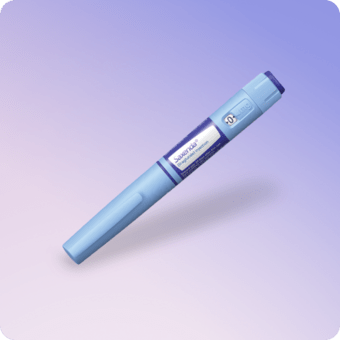
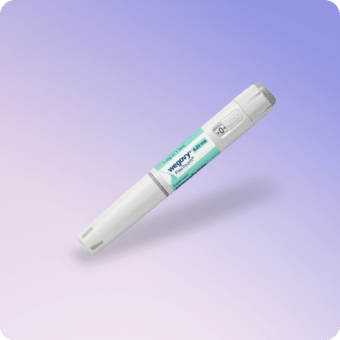
It is a common misconception that GLP-1 medications like Wegovy (Semaglutide) or Mounjaro (Tirzepatide) contain chemicals that attack hair follicles.
They do not. Instead, the "shedding" is a secondary symptom triggered by the rapid transformation of your internal chemistry.
There are three primary triggers for Telogen Effluvium during medical weight loss:
The Stress of Rapid Weight Loss
Losing weight quickly is a major physical stressor.
Even if you feel more energetic and healthier, your body perceives a sudden drop in body mass as a potential "crisis." This creates a temporary hormonal environment that triggers the shedding cycle.
Significant Caloric Deficits
GLP-1 medications work by suppressing appetite and slowing gastric emptying.
This often leads to a dramatic reduction in daily calorie intake. While this is necessary for weight loss, a sudden and steep deficit can signal the body to "conserve energy," leading to the suspension of hair production.
Protein Deficiency
Hair is primarily composed of a tough, fibrous protein called keratin.
If your protein intake drops too low - which is easy to do when you are eating significantly smaller portions - your body simply doesn't have the "building blocks" required to maintain hair growth. In the hierarchy of bodily needs, your muscles and organs will always take priority over your hair.
How to Minimise Hair Thinning
While you often cannot stop a shedding cycle once it has been triggered (as the hairs in the Telogen phase are already destined to fall out), you can absolutely support your body in restarting the Anagen (growth) phase as quickly and robustly as possible.
Prioritise Protein Above All Else
Since you are eating less, every bite needs to count.
Aim for a minimum of 60g–80g of protein per day and include protein in every meal. This is the single most important dietary change you can make to protect your hair.
Focus on: Lean meats, poultry, fish, eggs, and Greek yoghurt.
Plant-based options: Lentils, chickpeas, tofu, and high-quality protein shakes.
Tip: Eat your protein first during every meal before you feel too full.
Optimise Your Micronutrients
Hair follicles are some of the most metabolically active cells in the body, and they require a specific "cocktail" of vitamins and minerals to function.
- Iron & Ferritin: Iron deficiency is the leading cause of hair thinning, particularly in women. Low ferritin (stored iron) levels can keep hair in the resting phase indefinitely.
- Zinc & Biotin: These are essential for keratin synthesis. A high-quality "Hair, Skin, and Nails" supplement can be a helpful insurance policy.
- Vitamin D: Research suggests Vitamin D helps create new hair follicles and may wake up dormant ones.
Avoid "Crash" Dieting and Rapid Titration
The slower and more steady your weight loss, the less likely you are to experience a major shedding event.
This is why following the recommended titration schedule (the gradual increase of your dose) provided by your Cloud Pharmacy prescriber is vital.
Attempting to jump to higher doses too quickly to "speed up" results only increases the physiological stress on your system.
When Should You Seek Help?
In the vast majority of cases, Telogen Effluvium resolves on its own within six months once your weight stabilises and your nutrition becomes consistent.
However, thinning can sometimes mask other underlying issues. You should consult a GP or a pharmacist if you experience any of the following:
- Patchy Loss: You notice circular bald spots or "coin-sized" patches rather than general thinning.
- Scalp Irritation: Your scalp feels itchy, inflamed, scaly, or painful.
- Loss Elsewhere: You are losing hair from your eyebrows or eyelashes, which can indicate an autoimmune condition like Alopecia Areata.
- Prolonged Shedding: The shedding continues for more than 6–9 months without any signs of "baby hairs" or regrowth appearing at the scalp.
The Bottom Line
Seeing your hair thin can be an emotional experience, but it is important to keep the "big picture" in mind.
This thinning is a temporary side effect of the profound, life-changing transformation your body is undergoing. It is a sign that your body is adapting to a new, healthier weight.
In almost all cases, once your weight plateaus and your body grows accustomed to its new metabolic "set point," the hair follicles will re-enter the growth phase.
Your hair will return to its usual thickness, often looking even healthier than before due to the improved systemic health that comes with weight loss.