





If you’ve spent any time on social media lately, you may have seen stories of "miracle" pregnancies occurring shortly after starting weight-loss injections.
From TikTok to Reddit, the "Ozempic Baby" phenomenon has become a viral sensation, with women reporting unplanned pregnancies despite years of struggling with infertility or being told they were unlikely to conceive.
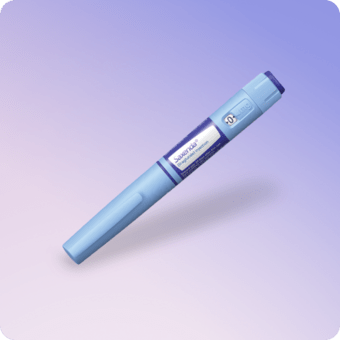
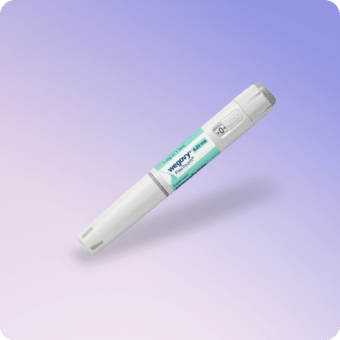
While Wegovy and Mounjaro are licensed for weight management and type 2 diabetes - not as fertility treatments - these anecdotes have sparked a serious clinical conversation about how GLP-1 and GIP receptor agonists interact with the reproductive system.
At Cloud Pharmacy, we want to ensure our patients understand the science behind these reports and, more importantly, the safety precautions necessary for those of childbearing age.
The Indirect "Fertility Boost"
The primary reason people report increased fertility on these medications isn't because the drugs "fix" reproductive organs through a direct chemical pathway.
Instead, it is a secondary effect of metabolic improvement. For many, the medication acts as a "key" that unlocks a dormant reproductive system.
Restoring Ovulation and Addressing PCOS
Polycystic Ovary Syndrome (PCOS) is one of the leading causes of infertility worldwide.
It is often characterized by insulin resistance, where the body’s cells don’t respond well to insulin, leading the pancreas to pump out more. This excess insulin can cause the ovaries to produce too much testosterone, which interferes with the development and release of eggs (ovulation).
As Mounjaro or Wegovy help patients lose weight, insulin sensitivity improves dramatically. When insulin levels stabilise, this can help restore the menstrual cycle.
For a woman who hasn't ovulated in years, this sudden return to a regular cycle can lead to conception much faster than anticipated.
The Role of Adipose Tissue (Body Fat)
Fat tissue is not just stored energy; it is an active endocrine organ.
Obesity can lead to an excess of oestrogen and androgens. In women, too much oestrogen can act like a low-dose birth control, preventing the surge of hormones needed for ovulation.
Weight loss helps balance these hormones, creating a more "fertile" environment and improving the quality of the uterine lining.
Male Fertility
Fertility is a two-way street, and the impact of weight loss on men is equally significant.
Obesity in men is often linked to lower testosterone levels and "heat stress" on sperm production. Research suggests that significant weight loss can improve:
- Testosterone levels: Reducing fat can lower the conversion of testosterone into oestrogen.
- Sperm quality: Improvements in morphology (shape) and motility (movement) have been observed following metabolic correction.
The "Contraceptive Glitch": A Critical Warning
There is a second, more cautionary reason for the surge in unplanned pregnancies: medication interaction.
This is particularly relevant for those using Mounjaro (tirzepatide).
Mounjaro works partly by delaying gastric emptying - the speed at which food and medication leave your stomach and enter the small intestine for absorption.
This delay can interfere with how your body absorbs the oral contraceptive pill.
- The Risk: Because the pill isn't absorbed at its usual rate, its concentration in the bloodstream may drop below the level required to suppress ovulation. This risk is highest during the first month of treatment and whenever the dose is increased.
Cloud Pharmacy Advice:
If you are using oral birth control while on Mounjaro, we strongly recommend using a backup barrier method (such as condoms) for:
- The first four weeks after starting the treatment.
- The first four weeks after every dose increase.
- For those seeking a more "set and forget" approach, switching to a non-oral form of contraception - such as an IUD (the coil), an implant, or an injection - can remove the risk associated with gastric emptying altogether.
Is it Safe to be Pregnant on Wegovy or Mounjaro?
The short answer is: No.
While the weight loss achieved prior to pregnancy can significantly reduce the risk of gestational diabetes and pre-eclampsia, the medications themselves are not recommended during pregnancy or breastfeeding.
The safety data on GLP-1 medications in pregnant humans is currently limited, as pregnant women are excluded from clinical trials for safety reasons. However, animal studies have shown that these medications could potentially cause foetal harm, including developmental issues and lower birth weight.
Consequently, UK medical guidelines are very specific regarding "washout periods."
The "Washout Period" Guidelines:
| Medication | Required Gap Before Conception |
| Wegovy (Semaglutide) | Must stop 2 months before trying to conceive. |
| Mounjaro (Tirzepatide) | Must stop 1 month before trying to conceive. |
This ensures the medication is entirely cleared from your system before a foetus begins its most critical stages of development.
Managing Your Health: A Practical Guide
If you are of childbearing age and taking these medications, you need a proactive reproductive plan.
If You Are Planning a Pregnancy
Weight-loss injections can be a fantastic way to reach a healthier BMI and prepare your body for a successful pregnancy.
However, they must be viewed as a pre-conception tool, not a concurrent one. Aim to reach your target weight, then observe the required washout period before you stop using protection.
If You Have PCOS
Be aware that your fertility may return much faster than you expect.
Many women with PCOS have been told for years that they "can't get pregnant." If you start Wegovy or Mounjaro, you must treat your body as highly fertile from the first few weeks of treatment.
If You Discover You Are Pregnant
If you see a positive test while on the medication, do not panic, but act immediately:
- Stop the injections straight away.
- Contact your GP or the clinical team at Cloud Pharmacy.
- Consult your midwife to inform them of the exposure so they can monitor the pregnancy closely.
Summary: A New Chapter in Metabolic Health
The "Ozempic Baby" trend highlights a beautiful side effect of metabolic health: the body's natural desire to return to a state of balance.
By reducing inflammation, balancing insulin, and shedding excess weight, these medications can indeed pave the way for a healthy family.
However, "miracle" pregnancies are best when they are planned.
By understanding the interaction with birth control and adhering to the recommended washout periods, you can ensure that when you do decide to start a family, you are doing so in the safest possible environment for both you and your baby.