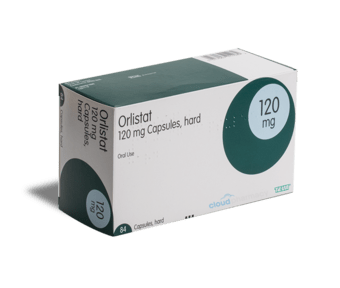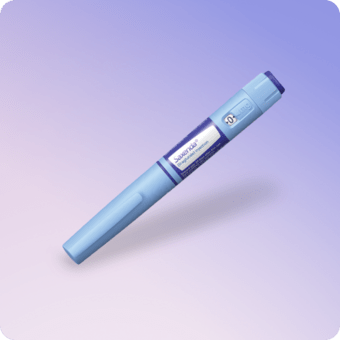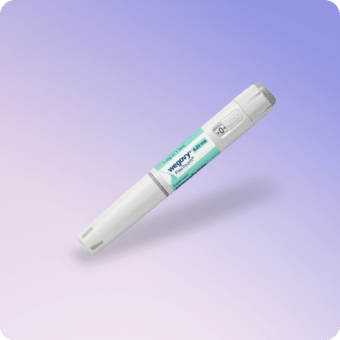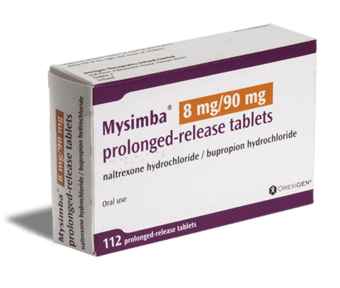






The rise of GLP-1 (Glucagon-Like Peptide-1) receptor agonists like Wegovy (semaglutide) and dual agonists like Mounjaro (tirzepatide) has transformed the landscape of weight management.
However, these aren't just "simple injections"; they are metabolic powerhouses.
Because they fundamentally change how your body processes everything you swallow, understanding drug interactions is not just about safety - it's about ensuring your other treatments actually work.
The Mechanism: Why the Delay Matters
Weight loss medications work by delaying gastric emptying.
Normally, your stomach processes food fairly quickly, leading to feelings of hunger once more..
By slowing the rate at which your stomach empties its contents into the small intestine, these drugs keep you feeling full longer.
However, most oral medications are designed to be absorbed in the small intestine. When a pill sits in the stomach for three hours instead of thirty minutes, its "pharmacokinetics" - the timing of its peak effect - change.
For some drugs, this is a minor inconvenience; for others, it’s a clinical risk.
Women’s Health: The Contraceptive Challenge
The interaction between Mounjaro and oral contraceptives is one of the most critical "need-to-know" pieces of information for women.
- The Mounjaro Factor: Studies indicated that Mounjaro can significantly lower the peak concentration of oral birth control. This isn't a permanent state, but it is highly volatile during the "titration phase" - the period when you are increasing your Mounjaro dose every four weeks.
- The Timing of Risk: The risk is highest during the first four weeks of starting the medication and for four weeks following every subsequent dose increase (e.g., moving from 2.5mg to 5mg).
- The Proactive Solution: If you are on the pill, you don't necessarily need to quit it, but you must use a backup "barrier" method (like condoms) during those eight-week windows. Alternatively, switching to the "fit and forget" methods like the IUD or the contraceptive implant bypasses the digestive system entirely, making them ideal for patients on weight-loss injections.
Managing the "Double Drop": Diabetes Medications
If you are using Wegovy or Mounjaro for weight loss but already have Type 2 Diabetes, your medication list likely includes Insulin or Sulfonylureas (like Gliclazide).
- The Hypoglycaemia Risk: GLP-1s are glucose-dependent, meaning they usually don't cause low blood sugar on their own. However, when paired with insulin - which forces blood sugar down regardless of what you’ve eaten - the risk of "hypo" episodes increases.
- Medical Oversight: This is a scenario where "DIY" dose adjustments are dangerous. Your GP will likely preemptively reduce your background insulin dose.
- Monitoring: You may find you need to check your glucose levels more frequently during the first month to establish your "new normal."
The Thyroid Connection: Levothyroxine
Levothyroxine is a tricky medication with a narrow therapeutic index, meaning the difference between "too much" and "not enough" is very small.
- Weight Loss and Dosage: Thyroid medication dosage is often tied to body mass. As you lose significant weight, a dose that was perfect at 100kg may be too high at 80kg, potentially leading to symptoms of hyperthyroidism (racing heart, anxiety).
- Absorption Timing: Because the injection slows digestion, the Levothyroxine may take longer to enter your system.
- The 6-Week Rule: We recommend a TSH blood test at the 6-to-8-week mark. This allows enough time for both the medication's digestive impact and your initial weight loss to reflect in your blood chemistry.
Mental Health: Antidepressants and Anti-Anxiety Medication
This is an area often overlooked. Many patients taking Wegovy are also prescribed SSRIs (like Sertraline or Fluoxetine).
- Lag Time: You might notice that your medication takes longer to "kick in" in the morning. For those treating panic disorders or acute anxiety, this delay can be distressing.
- Monitoring Mood: There are rare reports of mood changes associated with rapid weight loss and hormonal shifts. If you feel your antidepressant is suddenly less effective, it may be due to the altered absorption rate.
- Always consult your psychiatrist or GP before assuming the weight-loss drug is the sole culprit.
Blood Thinners and Heart Health
For those on Warfarin, consistency is everything.
- The INR Puzzle: Warfarin's effectiveness is measured by the INR (International Normalised Ratio). Because GLP-1s change your appetite, you may eat fewer green leafy vegetables (containing Vitamin K), which directly impacts Warfarin. Combined with slower absorption, your "thinness" of blood can fluctuate.
- Blood Pressure: Many patients find their blood pressure drops as they lose weight. If you are on antihypertensives (Lisinopril, Amlodipine), keep a log of your readings. You might eventually need a lower dose to avoid feeling lightheaded when standing up (orthostatic hypotension).
Over-the-Counter (OTC) Guidance
Not everything requires a prescription to cause a headache—sometimes literally.
Pain Relief (NSAIDs vs. Paracetamol)
- Paracetamol: Generally the safest bet. It might take 60 minutes to work instead of 20, but it won't hurt your stomach.
- Ibuprofen/Naproxen: Use these with extreme caution. GLP-1s can increase stomach acid or cause mild gastritis. Adding an NSAID such as ibuprofen, which can affect stomach lining, can lead to "silent" reflux or even ulcers.
Antibiotics
If you are prescribed a short course of antibiotics for an infection, be aware that the "peak" effectiveness might be delayed.
In cases of severe infection, some doctors may suggest a temporary pause on your weight-loss injection to ensure the antibiotic is absorbed rapidly, though this is a case-by-case decision.
Summary of Interaction Management
| Medication Class | Primary Risk | Action Plan |
| Oral Birth Control | Reduced absorption (Mounjaro) | Use barrier protection during dose increases. |
| Insulin | Severe Hypoglycaemia | Professional dose reduction required. |
| Levothyroxine | Over-medication due to weight loss | TSH blood test at 6–8 weeks. |
| Warfarin | Unstable INR levels | Weekly clinic checks for the first month. |
| SSRIs/Psychotropics | Delayed onset of effect | Monitor for "dip" in mood or increased anxiety. |
| NSAIDs (Ibuprofen) | Gastric irritation/Reflux | Switch to Paracetamol where possible. |
The Bottom Line: Communication is Key
While this guide covers the most common interactions, every patient is different.
The slowed gastric emptying effect usually plateaus as your body adjusts to the medication, but "vigilance" is the keyword during the first three months.
Honest communication with your pharmacist is vital.
By providing a comprehensive list of every supplement, vitamin, and prescription you take, you allow us to build a safety net around your weight-loss journey.