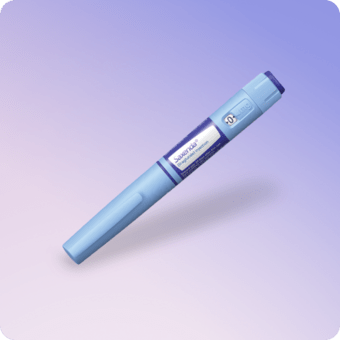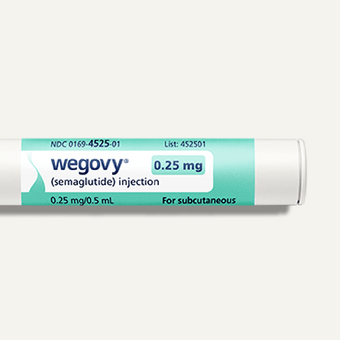





For years, the delivery method for powerful weight loss medication has been the weekly "jab."
From Wegovy (semaglutide) to Mounjaro (tirzepatide), these injectable GLP-1 medications have revolutionised metabolic health.
However, as we move through 2026, a new contender is poised to change the landscape again.
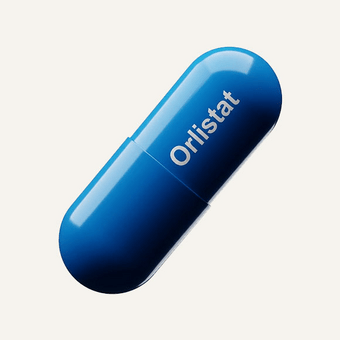
Orforglipron is an investigational once-daily pill developed by Eli Lilly.
Unlike current oral options that often come with strict fasting rules, orforglipron represents a breakthrough in chemical engineering: a "non-peptide" small molecule that can be taken just like any other daily vitamin.
In this blog, we explore the unique development of orforglipron, the impressive 2025/2026 trial results, and when this "weight loss pill" is expected to arrive in the UK.
Development: Why Orforglipron is a "Small Molecule" Breakthrough
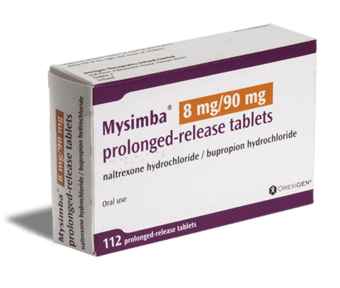
To understand orforglipron, we first have to look at the limitations of existing oral GLP-1s, such as Rybelsus.
Most GLP-1 medications are "peptides" - essentially small proteins. Because the human stomach is designed to break down proteins (like those in meat or eggs), these drugs are usually destroyed by stomach acid before they can be absorbed.
Rybelsus gets around this by using a "permeation enhancer" and requires the user to fast for 30 minutes with only a small sip of water.
Orforglipron is different. It is a small-molecule agonist.
- Stomach Acid Resistant: Because it is not a protein, it isn't "digested" by the stomach.
- Flexible Dosing: It can be taken at any time of day, with or without food.
- Easier Manufacturing: Small molecules are chemically synthesised rather than grown in biological cultures, which could mean a more stable supply chain and lower costs compared to complex injectables.
Clinical Trial Results: The ATTAIN and ACHIEVE Programs
As of early 2026, we have seen the full data from the major Phase 3 trials.
The results suggest that while orforglipron may not reach the absolute peak weight loss of "Triple G" injectables like Retatrutide, it significantly outperforms current oral options and rivals standard injectables.
Weight Loss in Obesity (ATTAIN-1)
In late 2025, the ATTAIN-1 trial results were published in the New England Journal of Medicine, focusing on adults with obesity but without diabetes.
- Average Weight Loss: Participants on the highest dose (36mg) lost an average of 12.4% (approx. 27 lbs) of their body weight over 72 weeks.
- Total Responders: Nearly 60% of participants lost more than 10% of their body weight.
- Cardiometabolic Health: Significant improvements were seen in systolic blood pressure, cholesterol, and triglycerides.
Head-to-Head vs. Oral Semaglutide (ACHIEVE-3)
On February 26, 2026, Eli Lilly released a landmark study comparing orforglipron directly to the current oral standard, semaglutide (Rybelsus).
- Superiority: Orforglipron 36mg delivered a 2.2% reduction in A1C (blood sugar) compared to 1.4% for oral semaglutide.
- Relative Weight Loss: Participants on orforglipron lost 73% more weight than those on the equivalent oral semaglutide dose.
Side Effects: The Digestive Trade-off
The side-effect profile of orforglipron is largely "class-consistent" with other GLP-1 medications.
Because the drug works by slowing down the digestive system and signalling fullness to the brain, most side effects are gastrointestinal.
- Nausea and Vomiting: Experienced by roughly 30–35% of participants, primarily during the "dose-escalation" phase when the body is adjusting.
- Constipation or Diarrhoea: Common but usually manageable with dietary adjustments.
- Heart Rate: Like many GLP-1s, a slight increase in resting heart rate was noted, which doctors monitor during treatment.
Crucially, the "discontinuation rate" (the percentage of people who stopped the drug due to side effects) was around 9.7% in the latest trials - slightly higher than some injectables, but within the expected range for a potent oral medication.
Availability: When Will it Reach the UK?
As of March 2026, Eli Lilly has submitted orforglipron to regulators in over 40 countries, including the UK’s MHRA.
The Projected UK Timeline:
- April 2026: FDA (USA) decision expected for obesity.
- Late 2026: Potential MHRA approval for use in the UK.
- Early 2027: Expected launch in UK private clinics and pharmacies.
- 2027/2028: Potential NICE recommendation for NHS use (following cost-effectiveness reviews).
Because the UK is a priority market for metabolic health, it is expected to be among the first nations to receive the drug after the United States.
Who is Orforglipron For?
Orforglipron isn't necessarily meant to replace injectables, but rather to expand the "toolbox" available to doctors and patients. It will likely be a preferred choice for:
- The "Needle Phobic": Many patients are hesitant to start Wegovy or Mounjaro because of the weekly injection. A pill removes this psychological barrier.
- Frequent Travellers: Carrying cooling bags for injectable pens can be a hassle. A bottle of pills is significantly more portable.
- Maintenance Therapy: Once a patient has lost significant weight on a high-potency injectable, orforglipron may serve as an ideal long-term "maintenance pill" to prevent weight regain.
Summary Table: Orforglipron vs. Current Treatments
| Feature | Orforglipron (Pill) | Wegovy (Injection) | Mounjaro (Injection) |
| Administration | Once Daily Tablet | Once Weekly Jab | Once Weekly Jab |
| Food Restrictions | None | None | None |
| Avg. Weight Loss | ~12 - 13% | ~15% | ~22% |
| Current Status | Phase 3 / Submitted | Available Now | Available Now |
| UK Launch Target | Late 2026 / 2027 | Available Now | Available Now |
Conclusion
The arrival of orforglipron marks a turning point in the "obesity revolution."
By moving from the needle to the pill without the strict fasting requirements of previous oral drugs, orforglipron makes high-efficacy weight loss accessible to a much broader population.
While we wait for the final MHRA rubber stamp later this year, the data confirms that this "small molecule" could play a very large role in the future of British healthcare.