





This guide explains what counts as a licensed weight-loss tablet in the UK, focuses on orlistat as the main option, and clears up the common confusion about GLP-1 tablets. It draws on the UK Summary of Product Characteristics, NICE and the NHS so you can see what the evidence actually supports.
What counts as a weight loss tablet in the UK
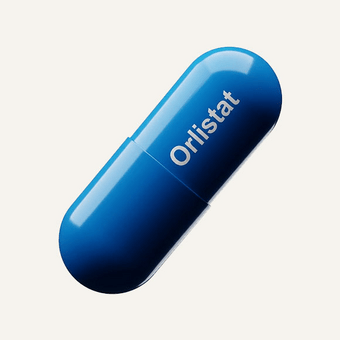
When people say weight-loss tablet, they usually mean a licensed oral medicine for weight management. In the UK the main one is orlistat1. The NHS lists it under the brands Xenical, which is prescription-only, and Alli and Orlos, which are lower-dose pharmacy versions you can buy from a pharmacist 1.
It is worth separating three different things that all get called pills or tablets: licensed prescription medicines like Xenical, licensed pharmacy medicines like Alli, and the many unlicensed slimming supplements sold online. Only the first two are medicines assessed and authorised for weight management 1. The injections that dominate the news, the GLP-1 medicines, are a separate category covered in our guide on weight loss injections in the UK.
This guide focuses on orlistat, because it is the licensed weight-loss tablet with a clear UK evidence base. We come back to the GLP-1 tablet question, which is the source of a lot of confusion, later on.
It is worth being clear about why the distinction between a medicine and a supplement matters so much here. A licensed medicine has been assessed by a regulator for quality, safety and effectiveness, comes with a Summary of Product Characteristics and a patient leaflet, and is supplied through controlled routes 1. A supplement has not cleared that bar, and the NHS warns specifically that some websites sell fake weight-loss medicines, so the safest default is a registered pharmacy and a licensed product 3.
Orlistat: how it works and who it is for
Orlistat works in a completely different way from the GLP-1 injections. It is a lipase inhibitor: it blocks the enzymes in the gut that break down dietary fat, so about a third of the fat in your food passes through undigested rather than being absorbed 12. It works in the gut and is barely absorbed into the body itself 2.
Xenical is licensed for adults with a BMI of 30 or above, or 28 or above with weight-related risk factors, alongside a mildly reduced-calorie diet 2. The NHS uses similar criteria, describing prescription orlistat for a BMI of 30 or more, or 28 or more with a weight-related condition 3. The recommended dose is one 120 mg capsule taken with water just before, during or up to an hour after each main meal, up to three times a day, and if a meal is missed or has no fat, you skip that dose 2.
It is meant to work alongside diet, not instead of it. The SmPC recommends a nutritionally balanced, mildly reduced-calorie diet with around 30 percent of calories from fat, spread over three meals 2. NICE frames all weight-loss medicines this way, as an adjunct to diet, activity and support 8. There is a direct, almost mechanical link between the diet and the side effects: because orlistat acts on the fat in your food, a very high-fat meal tends to produce more of the gut effects, so the diet is part of how you keep treatment tolerable as well as effective 2.
What the evidence shows for orlistat
Orlistat produces modest, real weight loss when used with a reduced-calorie diet. In pooled two-year studies, 37 percent of people on orlistat lost at least 5 percent of their body weight by 12 weeks, compared with 19 percent on placebo 5. After one year, the average difference in weight loss between orlistat and placebo was about 3.2 kg 5.
Because the benefit is modest, there is a clear stopping rule. Both the SmPC and the NHS advise reviewing treatment and usually stopping if you have not lost at least 5 percent of your body weight after 12 weeks 26. This is a sensible checkpoint rather than a failure: if a medicine is not helping, continuing it is not the answer.
The longer four-year XENDOS study gives a fuller picture. After one year, 41 percent of people on orlistat had lost at least 10 percent of their body weight, against 21 percent on placebo, a mean difference of about 4.4 kg, and the gap narrowed but persisted over four years 5. The pattern points to a useful rule: people who respond well in the first 12 weeks are much more likely to go on to meaningful loss, which is exactly why the 12-week checkpoint exists 5.
The data also hint at wider benefits. In that four-year study, weight loss with orlistat delayed the development of type 2 diabetes compared with placebo, mostly in people who already had impaired glucose tolerance 5. That is useful context, but it is not a reason to take orlistat as a diabetes-prevention drug; the licence is for weight management.
Considering treatment for weight management? You can start an assessment with a Cloud Pharmacy clinician, who will review your medical history and confirm whether treatment is appropriate.
Side effects and safety of orlistat
Orlistat's side effects follow directly from how it works. Because it leaves fat undigested, the common effects are gastrointestinal: oily or fatty stools, urgent or more frequent bowel movements, wind with oily spotting, and stomach pain 4. The NHS notes you are less likely to get these if you stick to a balanced diet and avoid very high-fat meals 6. The effects tend to decrease with longer use 4.
Orlistat is not suitable for everyone. The SmPC lists contraindications including chronic malabsorption syndrome, cholestasis (a liver condition) and breastfeeding 9. Rarer serious effects reported include rectal bleeding, gallstones, and, very rarely, kidney problems and serious liver injury, so persistent or severe symptoms should be checked 4.
Because it can reduce the absorption of fat-soluble vitamins, a multivitamin taken at bedtime is sometimes recommended, and it can interact with several medicines, including anticoagulants such as warfarin, levothyroxine for the thyroid, and some epilepsy and HIV medicines 4. It can also reduce the reliability of the contraceptive pill if you have severe diarrhoea, so an additional barrier method is advised then 4. Tell your prescriber and pharmacist what else you take.
What about GLP-1 tablets?
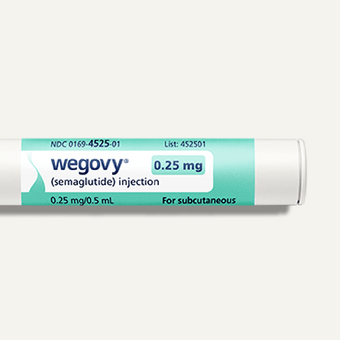
This is where most confusion sits. The famous weight-loss medicines, Mounjaro, Wegovy and Saxenda, are injections, not tablets10. There is no licensed tirzepatide tablet, and Wegovy and Saxenda are injectable 10.
Semaglutide does come as a tablet, called Rybelsus, but the NHS is clear that Rybelsus is licensed for type 2 diabetes, not weight loss7. So an oral semaglutide tablet exists, but not for weight management in the UK. Seeking a diabetes medicine for weight loss outside its licence is not the safe or appropriate route.
Oral weight-loss medicines that work like the injections may become available in future, but the question to ask of anything sold today is simple: is it a licensed UK medicine for weight management, and is it being supplied by a registered pharmacy after a clinical assessment? If not, it sits outside the evidence base this guide relies on.
Getting weight loss tablets safely
Prescription orlistat (Xenical) is available on the NHS where you meet the criteria, or privately on prescription 3. The lower-dose pharmacy versions, Alli and Orlos, can be bought from a pharmacy after a conversation with the pharmacist about whether they are suitable for you 1. Either way, the NHS advises buying only from a registered pharmacy, because some websites sell fake weight-loss medicines 3.
If you buy orlistat without a prescription, check the leaflet to see whether it is suitable for you, and ask the pharmacist if you are unsure 6. As with any weight-loss medicine, it works best as part of a plan that includes diet and activity, which is exactly how NICE frames it 8. Our overview of weight-loss treatments sets out the tablet and injection options together.
One practical point about taking orlistat well: it can reduce the absorption of fat-soluble vitamins, so a multivitamin taken at bedtime, at least two hours away from a dose, is sometimes recommended, and you should tell your prescriber about other medicines because orlistat can affect several, including anticoagulants and thyroid medication 4. Taken thoughtfully, alongside the right diet, it is a manageable medicine; taken alongside very high-fat meals, it tends to punish the choice with gut side effects 4.
Frequently asked questions
What is the best weight loss tablet in the UK?
The main licensed weight-loss tablet in the UK is orlistat, sold as Xenical on prescription and as Alli or Orlos from a pharmacy 1. There is no single best tablet; orlistat produces modest weight loss alongside a reduced-calorie diet, with an average difference from placebo of about 3.2 kg at one year 5. Whether it suits you depends on your medical history, which a prescriber or pharmacist can assess.Is there a weight loss tablet that works like Mounjaro?
Not as a licensed UK weight-loss tablet. Mounjaro, Wegovy and Saxenda are injections 10. Semaglutide does come as a tablet, Rybelsus, but it is licensed for type 2 diabetes, not weight loss 7. Orlistat is a tablet but works differently, by blocking fat absorption in the gut rather than acting on appetite hormones 2.Can I buy weight loss tablets over the counter?
You can buy orlistat at a lower dose as Alli or Orlos from a pharmacy, after a conversation with the pharmacist about whether it is suitable 1. The higher-dose Xenical is prescription-only 1. Many slimming products sold online are unlicensed supplements, not medicines, and the NHS warns that some websites sell fake weight-loss medicines, so use a registered pharmacy 3.How long can I take orlistat for?
Both the SmPC and the NHS advise reviewing treatment and usually stopping if you have not lost at least 5 percent of your body weight after 12 weeks 26. If it is helping, it can be continued under review, but it is not meant to be taken indefinitely without checking it is working. Your prescriber or pharmacist can advise on your situation.Are weight loss tablets safe?
Licensed orlistat has a well-documented safety profile, but it is not free of risk or suitable for everyone. The common effects are gastrointestinal, and it is contraindicated in conditions such as chronic malabsorption and cholestasis, and during breastfeeding 49. It can also interact with medicines including anticoagulants and thyroid treatment 4. Unlicensed slimming supplements are a different matter, and the NHS warns some online products are fake 3. A pharmacist can check orlistat is right for you.Your next step
The licensed weight-loss tablet picture in the UK is smaller than the marketing suggests: orlistat is the main option, it works by blocking fat absorption, and its benefit is modest and checked at 12 weeks. The famous GLP-1 medicines are injections, and the one oral version, Rybelsus, is for diabetes rather than weight loss.
If you are considering a weight-loss tablet, speak to your GP or pharmacist about whether orlistat is appropriate, or start a consultation with a clinician who can review your medical history. Buy only from a registered pharmacy, and treat any product as a medicine to be assessed, not an impulse purchase.
Disclaimer
This guide is for general information only and does not constitute medical advice, diagnosis or treatment. The information here describes general clinical context based on UK regulatory sources cited above; it is not a recommendation for any specific medicine or treatment, which can only be made by a prescriber following individual assessment.
If you are considering treatment, speak to your GP or pharmacist, or arrange a consultation with a Cloud Pharmacy clinician. Prescription-only medicines are issued only after clinical assessment and where appropriate.
If you experience side effects from any medicine, you can report them through the Yellow Card scheme at yellowcard.mhra.gov.uk.