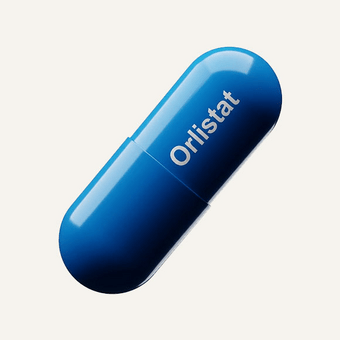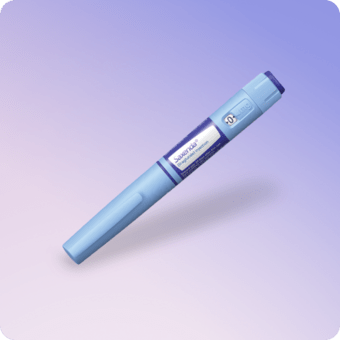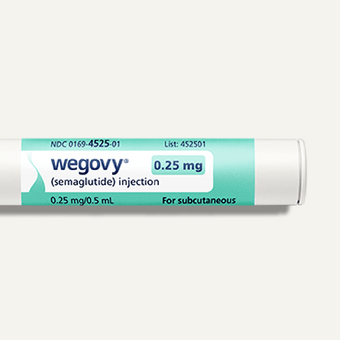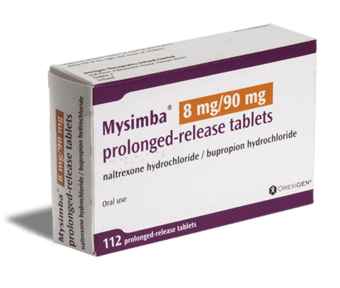






This guide explains how UK weight-loss medicines are assessed for safety, why the safest option is individual rather than universal, how the main options differ, and how to use any of them safely. It draws on the UK Summaries of Product Characteristics, NICE and the NHS. It does not rank or promote a medicine; the safest option for you is a clinical decision.
Is there a single 'safest' weight-loss medicine?
No. There is no single 'safest' weight-loss medication that applies to everyone, because safety is not a fixed property of a medicine alone; it depends on the individual taking it2. A medicine that is well tolerated and appropriate for one person may carry a specific risk for another with a different health history 12.
So this guide does not crown a 'safest' option 2. Instead it explains how UK medicines are assessed for safety and the factors that determine what is safest for you, which is far more useful than a superlative label for treatments that require a prescription and an assessment 12.
All the licensed options share one feature relevant to safety: they are used alongside a reduced-calorie diet and increased physical activity, as an adjunct, and each comes with its own licensed conditions of use 13. The sections below explain the framework 1.
It is worth saying why the superlative framing matters here 2. A page that simply named a 'safest injection' would be doing two unhelpful things: implying a one-size answer to a question that genuinely depends on the individual, and treating prescription-only medicines as if they were consumer products to rank 12. The more useful and honest approach, and the one this guide takes, is to explain how safety is judged so you can have an informed conversation with a prescriber about what is safest for you specifically 2.
How UK medicines are assessed for safety
Every weight-loss medicine available in the UK has been licensed by the medicines regulator, which means its safety and effectiveness have been assessed before it can be prescribed or sold 1. Its approved use, warnings, contraindications and side effects are set out in the Summary of Product Characteristics (SmPC)1.
Safety monitoring does not stop at licensing. Suspected side effects are reported through the MHRA Yellow Card scheme, and newer medicines may carry a black triangle showing they are under additional monitoring, so the safety picture is kept under continuous review 12. NICE also assesses treatments for NHS use, weighing benefits and risks 3.
So 'how safe is it' is answered not by a single label but by a structured framework: the licence, the SmPC's warnings and contraindications, ongoing monitoring, and an individual assessment 123. The next sections explain how that applies to you 1.
This framework is also a useful filter for the claims you encounter online 2. A medicine that is licensed, has a published SmPC, is dispensed by a registered pharmacy after assessment, and is monitored through Yellow Card, sits inside that safety system 12. A product sold without a prescription, marketed as a cheap 'generic', or shipped from an unverified source, sits outside it, which is itself a major safety concern regardless of which active ingredient it claims to contain 2.
Why the safest option depends on you
The reason there is no universal safest medicine is that each one's contraindications and cautions interact with your individual health 1. A medicine may be contraindicated, or warrant caution, if you have certain conditions, take certain medicines, or are pregnant or breastfeeding, and those factors differ from person to person 1.
For example, the GLP-1-based injections have their own gut-effect and pancreatitis cautions, while a medicine acting on the brain's appetite pathways has different cautions, such as around seizures or mood, and an oral fat-absorption medicine has its own considerations 1. What is safest therefore depends on which risks are relevant to you 1.
This is exactly why these are prescription or pharmacist-supplied medicines requiring an assessment: the assessment is where your individual health is matched against each medicine's risks to find what is appropriate and safe for you 2. There is no shortcut around that 2. A medicine that is well tolerated by most people could still be the wrong, and least safe, choice for someone with a particular history, which no generic 'safest' label could capture 12.
Considering treatment for weight management? You can start an assessment with a Cloud Pharmacy clinician, who will review your medical history and confirm whether treatment is appropriate.
How the main options differ on safety
At a high level, the main UK options have different safety profiles rather than a simple ranking 1. The injectable GLP-1-based medicines commonly cause gastrointestinal side effects and carry cautions including pancreatitis and gallstones, while an oral appetite-and-reward medicine carries cautions around seizures, mood and blood pressure, and an oral fat-blocker mainly causes gastrointestinal effects related to unabsorbed fat 1.
None of this makes one universally safer; it means the risks are different in kind, and which matter depends on you 1. A person with a seizure history, for instance, faces a different calculation from someone with a history of pancreatitis 1.
Our guides comparing the options, such as how to choose a weight-loss treatment and the individual medicine explainers, set these profiles out so you can discuss them with a prescriber 1. The point is informed comparison, not a 'safest' verdict 1.
Using any weight-loss medicine safely
Whatever option is appropriate, the things that make use safest are the same: a proper assessment of your suitability, an honest account of your full medical history and medicines, supply from a registered pharmacy, and following the dosing and monitoring advice 2. The NHS warns that some websites sell fake weight-loss medicines, so the registered-pharmacy rule is itself a core safety measure 2.
It also means reporting side effects, through your prescriber and the MHRA Yellow Card scheme, and seeking medical help promptly for anything that worries you, such as severe, persistent abdominal pain 2. Safety is partly about how a medicine is used and monitored, not only which one it is 12.
So the safest approach is less about finding a single safest product and more about the safe process: assessment, legitimate supply, appropriate use and monitoring 2. That process applies to every option 2.
This reframing is genuinely empowering rather than evasive 2. It means that, whichever medicine turns out to be appropriate for you, you can make it as safe as possible by controlling the things that are within your control: being honest at the assessment, using a registered pharmacy, following the dosing and monitoring advice, and reporting anything that worries you 12. Safety is not just handed to you with a 'safest' product; it is partly something you and your prescriber build together through how the medicine is used 2.
What to discuss with your prescriber
Rather than asking which medicine is safest in the abstract, the useful conversation with a prescriber is about which option is safest and most appropriate for you, given your health, conditions, other medicines and preferences 12. That is what an individual assessment is for 2.
Bring your full medical history and medicine list, mention any history of conditions like pancreatitis, seizures, mood disorders or eating disorders, and ask how each option's risks apply to you 12. This lets the prescriber match a medicine's profile to your situation 1.
Our guide on how to choose a weight-loss treatment covers the options in more detail. The headline is that the safest medicine is the one that best fits your individual health, used through a proper assessment and a registered pharmacy, rather than whichever product a search result happens to crown 12.
If you take one thing from this guide, let it be that 'safest' is the wrong question to ask of a search engine and the right question to ask a prescriber 2. Online, it invites a misleading one-word answer; in a consultation, it becomes a genuine, useful discussion about your health, your history and how each option's risks apply to you 12. That shift, from a label to a conversation, is the most important safety point of all 2.
Frequently asked questions
What is the safest weight-loss medication in the UK?
There is no single 'safest' option for everyone; safety depends on your individual health, conditions and contraindications, which is a clinical judgement 2. All UK options are licensed and monitored, used alongside diet and activity, and each has its own side-effect profile, so the safest for you is decided with a prescriber 12.How is the safety of weight-loss medicines assessed?
Each is licensed by the medicines regulator, with its warnings, contraindications and side effects set out in its SmPC, and safety is monitored after licensing through the MHRA Yellow Card scheme, with newer medicines under additional monitoring 12. NICE also assesses treatments for NHS use, weighing benefits and risks 3.Is one weight-loss medicine safer than the others?
They have different safety profiles rather than a simple ranking 1. The GLP-1-based injections, an oral appetite-and-reward medicine and an oral fat-blocker each carry different cautions, so which is safest depends on which risks are relevant to your health 1. A prescriber matches the profile to you 2.What makes a weight-loss medicine safe to use?
A proper assessment of your suitability, an honest account of your history and medicines, supply from a registered pharmacy, and following the dosing and monitoring advice 2. The NHS warns some websites sell fake medicines, so using a registered pharmacy is itself a core safety measure 2.Why can't you just tell me the safest injection?
Because safety is not a fixed property of a medicine alone; it depends on the person taking it 2. A medicine appropriate for one person may carry a specific risk for another with a different history, so a single 'safest' label would be misleading 12. The safest for you is an individual assessment 2.What should I tell my prescriber to find the safest option for me?
Your full medical history and medicine list, including any history of pancreatitis, seizures, mood disorders or eating disorders, and ask how each option's risks apply to you 12. This lets the prescriber match a medicine's profile to your situation and find what is safest and most appropriate for you 1.Your next step
There is no single 'safest' weight-loss medication for everyone; the safest option depends on your individual health, conditions and contraindications, which is a clinical judgement. All UK options are licensed and monitored, used alongside diet and activity, and each has its own side-effect profile and cautions, so they differ in kind rather than ranking simply.
Rather than chasing a 'safest' label, discuss with a prescriber which option is safest and most appropriate for you, bringing your full history and medicine list. Whatever is chosen, the safest approach is a proper assessment, a registered pharmacy, appropriate use and reporting side effects, which applies to every option. 'Safest' is the wrong question for a search engine and the right one for a prescriber, who can turn it into a genuine discussion about your health, your history and how each option's risks apply to you specifically, which is the real answer to the safety question rather than a one-word label.
Disclaimer
This guide is for general information only and does not constitute medical advice, diagnosis or treatment. The information here describes general clinical context based on UK regulatory sources cited above; it is not a recommendation for any specific medicine or treatment, which can only be made by a prescriber following individual assessment.
If you are considering treatment, speak to your GP or pharmacist, or arrange a consultation with a Cloud Pharmacy clinician. Prescription-only medicines are issued only after clinical assessment and where appropriate.
If you experience side effects from any medicine, you can report them through the Yellow Card scheme at yellowcard.mhra.gov.uk.
References
- 4.1/4.3/4.4/4.8 (licensed indication; contraindications; warnings; side effects as the framework for assessing safety; adjunct to diet and activity)
- Tirzepatide (registered pharmacy; fake medicines; report side effects via Yellow Card; tell your doctor about conditions and medicines)
- Overweight and obesity management (NICE assessment; adjunct to reduced-calorie diet and physical activity)