





This guide explains what the SmPC says about Wegovy and the gallbladder, why gallstones can develop, the symptoms to watch for, and how gallbladder pain differs from the pancreatitis warning. It draws on the UK Summary of Product Characteristics and the NHS, and it sits alongside our guide on whether rapid weight loss is safe.
Is gallbladder trouble linked to Wegovy?
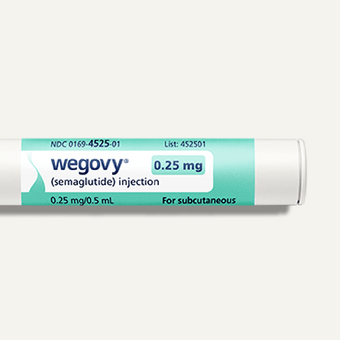
Yes, to a degree. The Wegovy SmPC lists cholelithiasis, the medical term for gallstones, as a common side effect, meaning it affects between 1 in 100 and 1 in 10 people 1. So gallstones are a documented possibility on the medicine rather than something unexpected.
Specifically, in the trials cholelithiasis was reported in around 1.6 percent of people treated with semaglutide 2.4 mg, and it led to cholecystitis (inflammation of the gallbladder) in about 0.6 percent1. So while gallstones are recognised, the more serious progression to cholecystitis is less common 1.
The sections below explain why this happens, what symptoms to watch for, and how to tell gallbladder pain apart from the separate pancreatitis warning 13.
Gallstones and cholecystitis: what the data shows
Gallstones are hardened deposits that form in the gallbladder, and most cause no symptoms; the problem comes if one blocks a duct, which can cause pain and, if inflammation follows, cholecystitis 1. The Wegovy trial figures, around 1.6 percent for gallstones and 0.6 percent for cholecystitis, give a sense of how often these occurred 1.
That places gallbladder effects among the recognised but relatively uncommon issues on the medicine, well below the very common gut effects like nausea 1. It is something to be aware of rather than to expect, but the awareness matters because gallbladder problems can need prompt treatment 13.
Most people on Wegovy will not develop gallbladder problems, but knowing the symptoms means those who do can act quickly 3. The next section explains why weight loss is part of the picture.
It is worth putting the numbers in context. A figure of around 1.6 percent means roughly one or two people in every hundred, so for the large majority gallstones are not something they will experience, and the progression to inflammation is rarer still at about 0.6 percent 1. At the same time, these are not negligible, and because a blocked gallbladder can need urgent treatment, the sensible stance is awareness rather than either complacency or alarm 13. The aim of this guide is to give you that awareness, so that if symptoms do appear you recognise them and act, while not worrying unduly about an effect most people never have 3.
Why weight loss itself raises gallstone risk
An important point is that significant weight loss itself is a recognised risk factor for gallstones, regardless of how the weight is lost 2. This is seen across this class of medicine: in the tirzepatide (Mounjaro) trials, for example, acute gallbladder events were positively correlated with the amount of weight reduction2.
So part of the gallbladder risk on Wegovy is not a quirk of the drug but a feature of losing a meaningful amount of weight, which changes how the gallbladder handles bile 2. This is another reason the aim is steady, sustainable weight loss rather than the fastest possible, a theme our guide on whether rapid weight loss is safe explores.
Framing it this way helps set expectations: gallstones are a known possible consequence of substantial weight loss, so they sit alongside the result the medicine is producing rather than being entirely separate from it 2.
The pace of weight loss is part of the picture too. Rapid, large drops in weight are more associated with gallstone formation than slower, steadier loss, which is one of the practical reasons a measured pace is generally preferred 2. The dose-escalation schedule and the maintenance-dose approach both tend towards steady rather than sudden weight loss, which fits this 2. It is not something to be anxious about, but it is another small argument for letting the medicine work at the gradual pace it is designed for rather than trying to accelerate results 2.
It is worth being clear that this link is not a reason to avoid losing weight, which brings its own substantial health benefits, but a reason to be alert to the symptoms while it is happening 23. The risk is one to recognise and watch for, not one that outweighs the purpose of treatment, and a clinician can put it in the context of your individual benefit and risk 3.
Considering treatment for weight management? You can start an assessment with a Cloud Pharmacy clinician, who will review your medical history and confirm whether treatment is appropriate.
Symptoms to watch for
The symptom most associated with a gallbladder problem is pain in the upper-right part of the abdomen, which can be severe, may come in episodes, and can spread to the back or right shoulder 3. It may be triggered or worsened after fatty meals.
Other signs that can accompany a gallbladder problem include nausea or vomiting, and, if a duct is blocked, yellowing of the skin or eyes (jaundice), a high temperature, or pale stools and dark urine 3. These warrant prompt medical attention rather than waiting to see if they pass.
The NHS advises speaking to a pharmacist or doctor about side effects that bother you, and calling 111 if you think you might be having serious side effects, which covers significant abdominal pain 3. If pain is severe or you develop jaundice or a fever, treat it as urgent 3.
Timing and pattern can be a clue. Gallbladder pain often comes in distinct episodes, can be brought on by fatty or heavy meals, and tends to be felt high on the right side of the abdomen rather than as the diffuse, settling discomfort of ordinary gut side effects 3. That said, you should not spend time trying to be sure of the cause yourself: if pain is severe, persistent, or comes with any of the warning signs above, the right response is to seek help and let a clinician work out what is going on 3. It is always better to have significant abdominal pain checked and find it was nothing serious than to wait on a problem that needed prompt treatment 3.
Gallbladder pain versus pancreatitis
It is worth knowing that Wegovy carries a separate warning about acute pancreatitis, which the NHS lists among the serious side effects and which classically causes severe pain in the stomach or back that does not go away3. Both pancreatitis and gallbladder problems can cause severe abdominal pain, so they can be hard to tell apart at home.
The practical point is that you do not need to diagnose yourself: severe, persistent abdominal pain on Wegovy, whether it turns out to be gallbladder-related or pancreatitis, is a reason to seek urgent medical attention 3. A clinician can work out which it is 3.
So rather than trying to distinguish the two, the safe rule is that severe, persistent abdominal pain needs prompt assessment, and the cause can be established medically 3. Our guide on Mounjaro side effects covers the pancreatitis red flag in the related medicine.
What to do and when to seek help
Most people will not develop gallbladder problems on Wegovy, and there is no specific preventive action mandated in the licence beyond being aware of the symptoms 1. Eating sensibly and losing weight at a steady pace fits the wider advice for the medicine 2.
If you develop severe or persistent upper-abdominal pain, especially with nausea, fever or jaundice, seek prompt medical attention rather than assuming it is an ordinary gut side effect 3. The NHS advises calling 111 for suspected serious side effects, and severe pain warrants that 3.
You can report gallbladder reactions and any suspected side effects through the MHRA Yellow Card scheme, which helps keep the safety picture current 1. For ordinary, milder side effects, a pharmacist can advise, but anything pointing to the gallbladder is worth taking seriously and acting on promptly 3.
It also helps to keep a sense of proportion. Gallstones are a recognised but relatively uncommon effect, and being alert to the warning signs, rather than anxious about every twinge, is the right balance 13. Knowing what a genuine gallbladder problem looks like, severe and persistent upper-right pain rather than the passing discomfort of ordinary gut effects, is what lets you tell the difference and act when it matters 3.
Frequently asked questions
Can Wegovy cause gallstones?
Yes. The SmPC lists cholelithiasis (gallstones) as a common side effect, reported in around 1.6 percent of people in the trials, and it led to gallbladder inflammation (cholecystitis) in about 0.6 percent 1. Part of the risk is that significant weight loss itself raises the chance of gallstones, an effect seen across this class of medicine 2.Why does Wegovy increase the risk of gallbladder problems?
Largely because significant weight loss is itself a recognised risk factor for gallstones, regardless of how the weight is lost 2. In the related medicine tirzepatide, gallbladder events were positively correlated with the amount of weight reduction 2. So the risk sits alongside the weight loss the medicine produces 2.What are the symptoms of a gallbladder problem on Wegovy?
The main one is severe pain in the upper-right abdomen, which may come in episodes and can spread to the back or shoulder, sometimes after fatty meals 3. Nausea, vomiting, jaundice (yellowing of the skin or eyes), fever or pale stools can also occur and warrant prompt attention 3. Call 111 for suspected serious side effects 3.How is gallbladder pain different from pancreatitis on Wegovy?
Both can cause severe abdominal pain and are hard to tell apart at home. Wegovy carries a separate pancreatitis warning, classically severe stomach or back pain that does not go away 3. You do not need to diagnose yourself: severe, persistent abdominal pain needs urgent medical attention, and a clinician can establish the cause 3.Should I stop Wegovy if I get gallbladder pain?
Seek prompt medical attention for severe or persistent upper-abdominal pain rather than deciding alone 3. A clinician can assess whether it is gallbladder-related or something else and advise on the medicine 3. The NHS advises speaking to a pharmacist or doctor about side effects and calling 111 for suspected serious ones 3.Can I prevent gallstones while losing weight on Wegovy?
There is no specific preventive step mandated in the licence beyond being aware of the symptoms 1. Because rapid, large weight loss raises gallstone risk, aiming for steady, sustainable weight loss fits the wider advice, and any concerns are worth discussing with your prescriber 2. Seek prompt help if warning symptoms appear 3.Your next step
Gallstones are a recognised common side effect of Wegovy, reported in around 1.6 percent of people in the trials, and they led to gallbladder inflammation in about 0.6 percent. Part of the risk comes from significant weight loss itself, which is a known gallstone risk factor across this class, so steady weight loss fits the wider advice.
Watch for severe, persistent pain in the upper-right abdomen, especially with nausea, fever or jaundice, and seek prompt medical attention rather than assuming it is an ordinary gut effect. Severe, persistent abdominal pain, whether gallbladder-related or the separate pancreatitis warning, needs urgent assessment, and a clinician can establish the cause. For most people, though, gallbladder problems will not occur, and awareness rather than anxiety is the right approach.
Disclaimer
This guide is for general information only and does not constitute medical advice, diagnosis or treatment. The information here describes general clinical context based on UK regulatory sources cited above; it is not a recommendation for any specific medicine or treatment, which can only be made by a prescriber following individual assessment.
If you are considering treatment, speak to your GP or pharmacist, or arrange a consultation with a Cloud Pharmacy clinician. Prescription-only medicines are issued only after clinical assessment and where appropriate.
If you experience side effects from any medicine, you can report them through the Yellow Card scheme at yellowcard.mhra.gov.uk.