





This guide compares Mounjaro (tirzepatide) and Mysimba (bupropion-naltrexone): how each works, how they are taken, their side effects and contraindications, and how the choice between them is made. It draws on the UK Summaries of Product Characteristics and the NHS. It does not declare a winner; which suits you is an individual clinical decision.
How they work
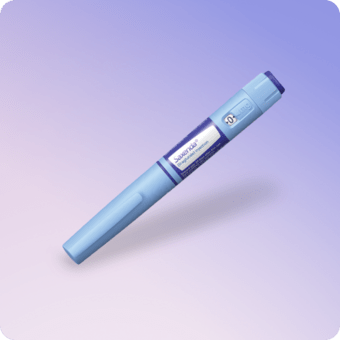
The two medicines work through completely different mechanisms. Mounjaro (tirzepatide) is a GIP and GLP-1 receptor agonist that acts on gut-hormone pathways to reduce appetite, slow stomach emptying and increase fullness 1. It is a single injectable medicine targeting those receptors, the same broad class as the much-discussed weekly weight-loss injections 1.
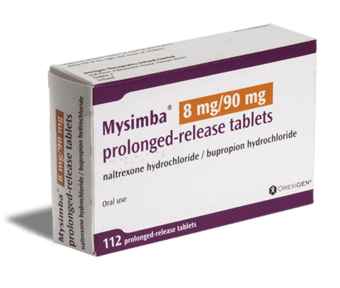
Mysimba combines two oral medicines: bupropion, a weak inhibitor of dopamine and noradrenaline reuptake, and naltrexone, an opioid-receptor antagonist 2. Together they act on the appetite centre (the hypothalamus) and the brain's reward system to reduce food intake, a different route from the gut-hormone approach 2.
So one works largely through gut hormones and appetite/digestion, the other through brain appetite and reward pathways12. That fundamental difference underlies most of the other contrasts in this guide 12.
It is worth not over-interpreting the mechanisms, though 2. For Mysimba in particular, the SmPC is candid that the exact appetite-suppressing mechanism is not fully understood, even if the broad picture, bupropion stimulating appetite-regulating neurons and naltrexone removing a brake on them, is reasonably described 2. For Mounjaro, the gut-hormone mechanism is better characterised 1. The practical point for a comparison is simply that these are two genuinely different kinds of medicine, not two versions of the same idea 12.
How they are taken
The practical experience differs too. Mounjaro is a once-weekly injection under the skin, built up gradually from a 2.5 mg starting dose in steps no faster than every four weeks 1. So it involves a weekly injection and a dose-escalation schedule 1.
Mysimba is an oral tablet, escalated over the first weeks to a maintenance dose of two tablets twice daily, and the tablets must be swallowed whole, not cut, crushed or chewed, because that alters the release and increases the seizure risk 2. So it is taken by mouth several times a day rather than injected weekly 2.
For some people the choice between an injection and a tablet matters in itself, and it is a legitimate part of the decision alongside the clinical factors below 12.
The dosing rhythm differs too, which affects daily life 12. Mounjaro is a single injection once a week, which some people find simple to fit around their routine, whereas Mysimba is taken several times a day, building up to two tablets twice daily, which means remembering doses through the day 12. Neither is inherently better, but the practical fit with your routine and preferences is a real consideration, and the swallow-whole rule for Mysimba is a safety point to remember rather than a mere instruction 2.
Who each is licensed for
Their eligibility criteria are broadly similar. Both are licensed as an adjunct to a reduced-calorie diet and increased physical activity for adults with an initial BMI of at least 30 (obesity), or at least 27 with a weight-related comorbidity12. So at the licence level they target a similar group 12.
Both also build in an effectiveness review: Mysimba's effectiveness should be evaluated after 16 weeks (and re-evaluated annually), while tirzepatide for weight management is reviewed against a 5 percent weight loss at six months marker 21. So both expect treatment to be working to continue 12.
Where they differ sharply is in their contraindications and cautions, which is where the individual decision really turns, covered next 12.
The review timings are worth understanding as more than admin 12. Both medicines build in an early check because neither is meant to be continued if it is not working, which protects you from staying on a treatment, with its side effects and cost, that is not helping 12. Mysimba's 16-week effectiveness review and Mounjaro's six-month 5 percent marker serve the same purpose, even though the exact timing and threshold differ 12. So with either, you should expect a deliberate point at which you and your prescriber decide whether to carry on 12.
Considering treatment for weight management? You can start an assessment with a Cloud Pharmacy clinician, who will review your medical history and confirm whether treatment is appropriate.
Side effects compared
Mounjaro's most common side effects are gastrointestinal, nausea, diarrhoea, vomiting and constipation, most prominent during dose escalation and then settling, with cautions including pancreatitis, gallstones and, in diabetes, low blood sugar 1.
Mysimba also commonly causes nausea, constipation and vomiting and headache, but adds a notable set of central effects: insomnia, anxiety, dizziness, dry mouth, and an increase in heart rate and blood pressure 2. It also carries a recognised, if low, seizure risk (around 0.1 percent), and its information notes reports of suicidal ideation and behaviour 2.
So while both share gut effects, Mysimba's profile extends into mood, sleep, heart rate and seizure risk in a way Mounjaro's does not 12. That broader profile shapes who it is and is not suitable for 2.
This is not to say one is simply 'safer'; the risks are different in kind 12. Mounjaro's cautions cluster around the gut, pancreatitis, gallstones and, in diabetes, low blood sugar, while Mysimba's reach into the nervous system and cardiovascular system 12. Which set of risks matters more depends entirely on your own health history, which is exactly why the comparison cannot produce a single winner and has to be made individually 12.
Contraindications and who each suits
Mysimba has extensive contraindications: it must not be used in people with uncontrolled high blood pressure, a current or past seizure disorder, a known central nervous system tumour, bipolar disorder, current or previous bulimia or anorexia, opioid dependence, during alcohol or benzodiazepine withdrawal, or with MAOI antidepressants, among others 2. It is used with caution over 65 and not recommended over 75 2.
Mounjaro's only contraindication in its SmPC is hypersensitivity, though it has its own cautions (pancreatitis history, severe gastrointestinal disease, and the pregnancy and contraception rules) 1. So the two medicines rule out, or caution against, different groups of people12.
This is why neither is universally 'better': someone with a seizure or mood-disorder history may not be able to take Mysimba, while someone with a history of pancreatitis has a different consideration with Mounjaro 12. The right choice depends on your individual health 12.
How the choice is made
Because they differ so much, the choice between Mounjaro and Mysimba is an individual clinical decision, not a ranking 12. A prescriber weighs your BMI and conditions, your medical and mental-health history, your other medicines, whether an injection or tablet suits you, and how each medicine's risks apply to you 12.
If you take antidepressants or other mental-health medicines, or have a history of seizures, mood disorders or eating disorders, that is especially important to disclose, since it bears directly on whether Mysimba is suitable, and you should never stop a mental-health medicine on your own to take a weight-loss medicine 2.
Our guide on how to choose a weight-loss treatment covers the wider picture. The headline is that Mounjaro and Mysimba are different tools, and which is right for you depends on your individual health, decided with a prescriber 12.
Practical preferences matter too, and are legitimate to weigh 12. Some people much prefer a tablet to a weekly injection, or vice versa; some find the idea of a brain-acting medicine less or more comfortable than a gut-hormone one; some are swayed by the side-effect profiles, the dosing routine, or the contraindications that rule one out 12. A good consultation makes room for those preferences alongside the clinical factors, because a treatment you are comfortable taking and can stick with is part of what makes it work for you 12. The aim is the option that is both clinically appropriate and one you can live with, which only you and your prescriber can properly settle together rather than from a comparison page like this one 2.
Frequently asked questions
What is the difference between Mounjaro and Mysimba?
Mounjaro (tirzepatide) is a weekly GIP/GLP-1 injection that reduces appetite through gut-hormone pathways, while Mysimba combines bupropion and naltrexone in an oral tablet acting on the brain's appetite and reward systems 12. Both are licensed for similar BMI groups but have very different side effects and contraindications 12.Is Mounjaro or Mysimba more effective?
This guide does not declare a winner; effectiveness is only one factor and the choice is individual 12. They work through different mechanisms and suit different people, so which is appropriate depends on your health, history, other medicines and preferences, decided with a prescriber 12.How are Mounjaro and Mysimba taken?
Mounjaro is a once-weekly injection built up gradually from 2.5 mg 1. Mysimba is an oral tablet escalated to two tablets twice daily, swallowed whole (not crushed, which increases seizure risk) 2. The injection-versus-tablet difference is a legitimate part of the choice 12.Do Mounjaro and Mysimba have different side effects?
Yes. Both commonly cause gut effects like nausea, but Mysimba adds central effects such as insomnia, anxiety, dizziness, a raised heart rate and blood pressure, plus a recognised seizure risk and reports of suicidal ideation 2. Mounjaro's profile is mainly gut-related with pancreatitis and gallstone cautions 1.Who cannot take Mysimba?
Mysimba is contraindicated in uncontrolled high blood pressure, current or past seizures, a CNS tumour, bipolar disorder, current or previous bulimia or anorexia, opioid dependence, alcohol or benzodiazepine withdrawal, and with MAOIs, among others, and is not recommended over 75 2. Mounjaro's only SmPC contraindication is hypersensitivity, with its own separate cautions 1.How do I choose between Mounjaro and Mysimba?
With a prescriber, who weighs your BMI and conditions, medical and mental-health history, other medicines, whether an injection or tablet suits you, and how each medicine's risks apply to you 12. Disclose any history of seizures, mood disorders or eating disorders, and never stop a mental-health medicine on your own 2.Your next step
Mounjaro and Mysimba are very different weight-loss medicines: Mounjaro is a weekly GIP/GLP-1 injection reducing appetite through gut hormones, while Mysimba is an oral bupropion-naltrexone tablet acting on the brain's appetite and reward pathways. Both are licensed for similar BMI groups alongside diet and activity, but their side effects and contraindications differ markedly, with Mysimba carrying cautions around seizures, mood, heart rate and blood pressure that Mounjaro does not, while Mounjaro carries its own gut, pancreatitis and pregnancy-related cautions.
The choice is an individual clinical decision, not a ranking, so discuss with a prescriber which suits your health, history and preferences, including whether you prefer an injection or tablet. Disclose any history of seizures, mood disorders or eating disorders, and never stop a mental-health medicine on your own to start a weight-loss treatment. A treatment you are comfortable taking and can stick with is part of what makes it work, so your preferences are a legitimate part of the decision alongside the clinical factors, since the aim is an option that is both clinically appropriate and one you can realistically live with day to day.
Disclaimer
This guide is for general information only and does not constitute medical advice, diagnosis or treatment. The information here describes general clinical context based on UK regulatory sources cited above; it is not a recommendation for any specific medicine or treatment, which can only be made by a prescriber following individual assessment.
If you are considering treatment, speak to your GP or pharmacist, or arrange a consultation with a Cloud Pharmacy clinician. Prescription-only medicines are issued only after clinical assessment and where appropriate.
If you experience side effects from any medicine, you can report them through the Yellow Card scheme at yellowcard.mhra.gov.uk.
References
- Mounjaro SmPC 4.1/4.2/4.3/4.4/4.8/5.1 (GIP/GLP-1; weekly injection; BMI indication; contraindication hypersensitivity; GI side effects; 6-month review)
- Mysimba SmPC 4.1/4.2/4.3/4.4/4.8/5.1 (bupropion-naltrexone; oral tablet, swallow whole; BMI indication; 16-week review; contraindications; seizure risk; CNS/mood side effects; suicidal ideation reports)