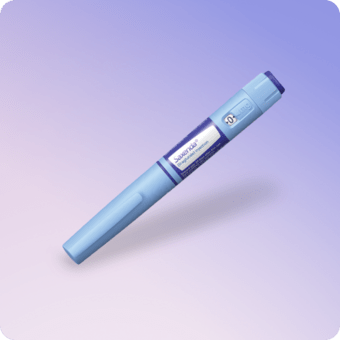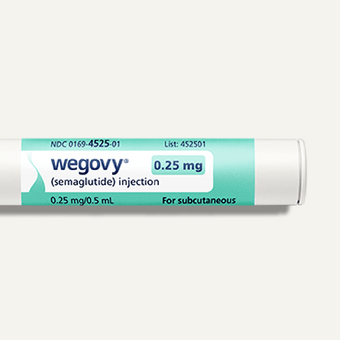






This guide covers Mounjaro for type 2 diabetes specifically: how it lowers blood sugar, how it combines with other diabetes medicines, the low-blood-sugar consideration, and what ongoing use looks like. It draws on the UK Summary of Product Characteristics and the NHS. It is general information, not advice about your own regimen, which is a matter for your diabetes team.
Mounjaro's two licences, and the diabetes one
Mounjaro has two UK licences. The one this guide is about is type 2 diabetes: the SmPC licenses it for adults (and, in the latest SmPC, adolescents and children aged 10 and above) with insufficiently controlled type 2 diabetes, as an adjunct to diet and exercise 1. The other licence is weight management, covered in our complete Mounjaro guide.
For diabetes, the SmPC describes two ways it is used: as monotherapy when metformin is considered inappropriate due to intolerance or contraindications, or in addition to other medicines for diabetes 1. So it can be a first-line option for some and an add-on for others, depending on the regimen.
The same medicine, tirzepatide, is doing the work in both licences, but the goal differs: blood-sugar control in diabetes, and weight loss in weight management. The NHS notes that for type 2 diabetes a doctor may prescribe it to control blood sugar, often before recommending insulin 4.
How Mounjaro works for type 2 diabetes
Tirzepatide is a dual GIP and GLP-1 receptor agonist, and for diabetes it improves glycaemic control through several mechanisms 2. It enhances the pancreas's own insulin secretion in a glucose-dependent way, meaning it works with the body's signals rather than forcing insulin out regardless, and it lowers glucagon, a hormone that raises blood sugar 2.
It also improves insulin sensitivity. The SmPC reports that tirzepatide 15 mg improved whole-body insulin sensitivity substantially in a clamp study, and lowers fasting and post-meal glucose 2. This is the basis of the common patient question about insulin resistance: the medicine improves how the body responds to insulin, partly directly and partly through the weight loss it produces 2.
Because the insulin effect is glucose-dependent, tirzepatide on its own carries a low risk of low blood sugar; that risk rises mainly in combination with certain other diabetes medicines, which the next sections cover 23. The NHS sums it up simply: it lowers blood sugar and helps the body make more insulin when needed, and also slows digestion to keep blood sugar stable after meals 4.
The dual mechanism is part of what makes it effective in type 2 diabetes. The SmPC reports that, in a head-to-head insulin-secretion study, tirzepatide substantially enhanced the pancreas's first- and second-phase insulin response, and that it lowers both fasting and after-meal glucose 2. The glucose-lowering effect is more pronounced in people with diabetes or prediabetes than in those with normal blood sugar, which is consistent with a medicine that works with the body's own glucose signals rather than overriding them 2.
Mounjaro alongside metformin and other diabetes medicines
A very common question is how Mounjaro fits with metformin. The SmPC is clear: when tirzepatide is added to existing metformin and/or an SGLT2 inhibitor, the current dose of those medicines can be continued5. So Mounjaro and metformin are routinely used together, and the metformin dose does not automatically change.
This combination approach is part of why Mounjaro is flexible in diabetes care: it can be added to a regimen that is not achieving target blood sugar, or used alone where metformin is not suitable 15. The decision about exactly how it fits with your other medicines is one for your diabetes team, based on your control and your full regimen.
It is worth knowing that the dosing schedule is the same as for weight management: a starting dose of 2.5 mg once weekly for four weeks, then 5 mg, with increases in 2.5 mg steps if needed up to 15 mg 5. Our Mounjaro dose guide covers the titration.
The newest SmPC also extends the diabetes licence to adolescents and children aged 10 and above, with a lower maximum dose of 10 mg in that group, though that is a specialist decision rather than something most readers will be navigating 15. For adults, the headline point is that Mounjaro is a flexible diabetes option: it can be added to an existing regimen that is not hitting target, or used on its own where metformin does not suit, with the combination details set by your diabetes team 15.
Considering treatment for type 2 diabetes? You can start an assessment with a Cloud Pharmacy clinician, who will review your medical history and confirm whether treatment is appropriate.
Mounjaro with insulin or a sulphonylurea
This is the most important safety point for the diabetes setting. When tirzepatide is added to a sulphonylurea (such as gliclazide) or insulin, there is an increased risk of low blood sugar (hypoglycaemia), and the SmPC advises that a reduction in the dose of the sulphonylurea or insulin may be needed to reduce that risk 3.
The trial data show the scale of this. Clinically significant hypoglycaemia occurred in around 10 to 14 percent of people when tirzepatide was added to a sulphonylurea, and 14 to 19 percent when added to basal insulin, whereas as monotherapy or with other oral diabetes medicines the rate was very low 6. So the risk is real but specific to those combinations 6.
Practically, this means blood-glucose self-monitoring is needed to adjust insulin or sulphonylurea doses, and a stepwise approach to reducing insulin is recommended 5. The NHS also notes that your doctor or specialist nurse may need to adjust your insulin dose 4. This is squarely a job for your diabetes team, not something to manage alone.
What to expect and how long you stay on it
For diabetes, the SmPC reports that tirzepatide produced sustained, clinically meaningful reductions in HbA1c (a measure of average blood sugar) across the SURPASS trials, sustained for up to one year in all studies and up to two years in one 2. Weight reduction was also seen, which is part of why it suits many people with type 2 diabetes and overweight 2.
There is no fixed stopping point for the diabetes indication in the way there is a 5 percent weight-loss review for the weight-management one; for diabetes it is generally continued while it is helping control blood sugar and is tolerated, with ongoing review by your diabetes team 1. The NHS advises not stopping suddenly, because that could affect your blood sugar 4.
The side effects are the same as in weight-management use, mainly gastrointestinal and worst around dose increases, and the same serious cautions apply, including pancreatitis and gallbladder problems 3. Our Mounjaro side effects guide covers these in full.
There is one extra monitoring point specific to diabetes. The SmPC notes that tirzepatide has not been studied in people with certain forms of diabetic retinopathy needing acute treatment and should be used with appropriate monitoring in those cases, which is the kind of detail a diabetes team weighs up 3. The weight loss tirzepatide produces is also clinically useful in type 2 diabetes, since the two problems often go together, and improving weight can improve glucose control 2.
Getting Mounjaro for type 2 diabetes
Mounjaro for type 2 diabetes is prescribed and managed as part of your diabetes care, which is a different route from the weight-management pathway. If you have type 2 diabetes, the right place to discuss it is with your GP, diabetes team or pharmacist, who can judge whether it fits your regimen and what adjustments to your other medicines might be needed 34.
As with any use of the medicine, it should come from a registered pharmacy after a clinical assessment, and it is used alongside diet and exercise rather than instead of them 14. If you are weighing it up, an honest picture of your current medicines and control is what lets a clinician advise you safely.
Frequently asked questions
Can you take Mounjaro and metformin together?
Yes. The SmPC states that when tirzepatide is added to existing metformin (and/or an SGLT2 inhibitor), the current dose of those medicines can be continued 5. Mounjaro and metformin are routinely used together in type 2 diabetes, and the combination is one of the standard ways it is used 1. Your diabetes team decides exactly how it fits your regimen.Does Mounjaro help with insulin resistance?
It improves how the body responds to insulin. The SmPC reports tirzepatide improves insulin sensitivity, enhances the body's own glucose-dependent insulin secretion, and lowers glucagon, which together improve blood-sugar control 2. Some of this comes directly and some through the weight loss it produces 2. It is licensed for type 2 diabetes, used alongside diet and exercise 1.Can Mounjaro cause low blood sugar in diabetes?
On its own the risk is low, because its insulin effect is glucose-dependent 2. The risk rises when it is combined with a sulphonylurea or insulin, where the SmPC advises reducing those doses; trial rates of significant hypoglycaemia were around 10 to 19 percent in those combinations 36. Blood-glucose monitoring is needed to adjust doses, guided by your diabetes team 5.How long do you stay on Mounjaro for diabetes?
There is no fixed stopping point in the SmPC for the diabetes indication; it is generally continued while it helps control blood sugar and is tolerated, with ongoing review by your diabetes team 1. The NHS advises not stopping suddenly, as that could affect your blood sugar 4. This differs from the weight-management licence, which has a 5 percent six-month review 1.Is Mounjaro for diabetes the same as for weight loss?
It is the same medicine, tirzepatide, and the same dosing schedule, but it is prescribed for different goals through different routes 15. For diabetes the aim is blood-sugar control, often added to metformin or used when metformin is unsuitable 1. The side effects and serious cautions are the same in both uses 3.Does Mounjaro help with weight loss if I take it for diabetes?
Yes, weight reduction was seen alongside the blood-sugar improvements in the diabetes trials, and this is part of why it suits many people with type 2 diabetes who are also overweight 2. The two often go together, and losing weight can itself improve glucose control 2. The dosing and side-effect profile are the same as in weight-management use 53.Your next step
Mounjaro is a type 2 diabetes medicine as much as a weight-management one: it lowers blood sugar by enhancing the body's own glucose-dependent insulin response, improving insulin sensitivity and lowering glucagon, and it combines with metformin while needing care with insulin or sulphonylureas. It is generally continued while it helps and is tolerated.
If you have type 2 diabetes and are considering Mounjaro, discuss it with your GP, diabetes team or pharmacist, who can judge how it fits your regimen and what adjustments your other medicines might need. Do not stop suddenly, and obtain it only from a registered pharmacy. The low-blood-sugar point with insulin or a sulphonylurea is the detail most worth raising early, because that is where dose adjustments to your other medicines come in.
Disclaimer
This guide is for general information only and does not constitute medical advice, diagnosis or treatment. The information here describes general clinical context based on UK regulatory sources cited above; it is not a recommendation for any specific medicine or treatment, which can only be made by a prescriber following individual assessment.
If you are considering treatment, speak to your GP or pharmacist, or arrange a consultation with a Cloud Pharmacy clinician. Prescription-only medicines are issued only after clinical assessment and where appropriate.
If you experience side effects from any medicine, you can report them through the Yellow Card scheme at yellowcard.mhra.gov.uk.