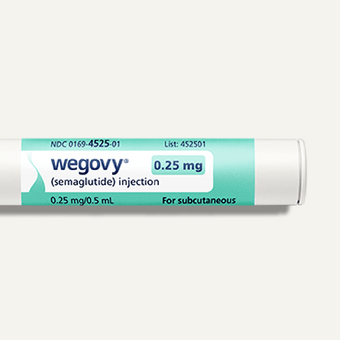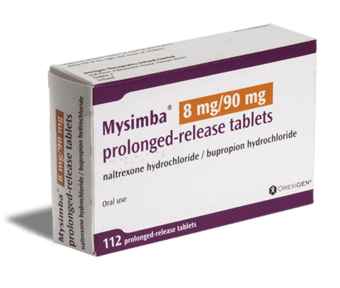






This guide explains, in plain terms, how GLP-1 medicines affect appetite, what the product information actually says about hunger, energy intake and food preferences, and why this is part of the picture rather than the whole of it. It draws on the UK Summaries of Product Characteristics and the NHS, and it is general educational information rather than advice about any one medicine.
Appetite regulation, in plain terms
GLP-1 is part of the body's own system for regulating appetite and how full you feel 1. Medicines in this class act on that appetite regulation, and the product information describes how they help reduce energy intake and hunger, which is the central way they support weight management 1.
In practical terms, that often shows up as feeling full sooner, being satisfied with smaller portions, and feeling less driven to eat between meals 1. The NHS likewise describes these medicines as working by affecting appetite, used alongside diet and activity 12.
It is worth stressing that this is a physiological effect on appetite, not a trick or a matter of willpower 1. The medicine is changing signals involved in hunger and fullness, which is why people describe the change as feeling different from simply trying to eat less 12.
Energy intake and feeling full
The mechanism that matters most for weight is the reduction in energy intake1. By acting on appetite, GLP-1 medicines make it easier to eat less without the constant hunger that usually makes a calorie deficit hard to sustain 1.
This is why the medicines are licensed as an adjunct to a reduced-calorie diet and increased physical activity rather than as standalone treatments 1. They make the dietary side more achievable; they do not remove the need for it 12.
Feeling full sooner and staying satisfied for longer are the everyday expressions of this 1. For many people, that is the difference that makes sustained change feel possible, because the effort no longer depends entirely on resisting persistent hunger 12.
Food cravings and preferences
Beyond overall hunger, the product information describes effects on food cravings and preferences1. In studies, this has included a reduced preference for high-fat foods, alongside the broader reduction in cravings, which is part of why the experience can feel like more than just smaller portions 1.
This is the clinical basis for the patient-language idea of 'food noise' quietening: many people report not just eating less but thinking about food less and being less pulled towards certain foods 1. Anchoring that experience to what the product information describes helps make sense of it without overstating it 1.
It is important to keep this measured 1. The product information describes effects on appetite, cravings and preferences in general terms; it does not mean the medicine dictates exactly what you eat, and individual experiences of these changes vary 12.
Considering treatment for weight management? You can start an assessment with a Cloud Pharmacy clinician, who will review your medical history and confirm whether treatment is appropriate.
Why it feels like more than 'eating less'
People often expect a weight-loss medicine to feel like forcing themselves to eat less, and are surprised that it feels more like simply wanting less 1. That difference comes from the medicine acting on the appetite system itself, rather than relying on you overriding hunger by effort 12.
When hunger and cravings are reduced at the level of appetite regulation, eating less stops feeling like a constant battle, which is why the experience is described so differently from dieting alone 1. This is the mechanism behind the 'food noise' language people use 1.
Understanding this also helps set expectations 1. The effect supports your efforts with diet and activity; it works best as part of that package, and framing it as a partner to lifestyle change rather than a replacement for it is both accurate and more useful 12.
What this is not
It is just as important to be clear about what these central appetite effects are not1. They are not a guarantee of a particular result, and they do not remove the role of diet and activity, which is why the medicines are licensed as an adjunct to them 12.
Nor are they a reason to think the medicine works in isolation 1. The appetite effect is the mechanism, but sustained results still depend on what you do alongside it, and appetite tends to return when treatment stops, which is why the habits built matter 1.
And understanding the mechanism is not the same as deciding a medicine is right for you 2. Whether any GLP-1 medicine is suitable, and which one, is a clinical decision based on eligibility, health and suitability, made with a prescriber, not something the mechanism alone settles 12.
The mechanism in context
Put together, the picture is coherent: GLP-1 medicines act on appetite regulation to reduce energy intake, hunger and cravings, including a reduced preference for high-fat foods in studies, which is the clinical basis for the quieter 'food noise' people describe 1. That is a real, physiological effect 12.
But it is one part of weight management, not the whole 1. It is licensed to be used alongside a reduced-calorie diet and increased physical activity, and the lasting benefit comes from the combination, supported by the appetite effect rather than driven by it alone 12.
Our guides on how Mounjaro works and how Wegovy works apply this mechanism to the specific medicines 1. Understanding the appetite-regulation basis is a good foundation for those, and for a realistic conversation with a prescriber about whether such a medicine suits you 12.
Why the mechanism varies between people
One reason expectations should stay measured is that the appetite effect, while real, is not identical for everyone 1. The product information describes effects on appetite, cravings and preferences in general terms, and how strongly an individual experiences each of those can differ 1. Some people notice a dramatic change in how they think about food, others a quieter one 1.
That variation is normal and is part of why the medicines are used with monitoring rather than on a fixed assumption of effect 12. It is also why the same medicine can feel quite different for two people, and why comparing your experience too closely to someone else's can be misleading 1. The mechanism is shared; the felt experience is individual 1.
Dose plays a part too 1. Because these medicines are escalated gradually, the appetite effect often becomes more apparent as the dose increases, which is one reason the early weeks at a low starting dose may feel different from later on 1. That is expected from how the medicines are designed to be used 1.
None of this changes the underlying point 1. The medicines act on appetite regulation to reduce energy intake, and that is the basis of the benefit; the variation is in how much, and how each person experiences it, which is exactly the kind of thing a prescriber helps you understand for your own situation 12.
Using the mechanism to set expectations
Knowing how the medicines work is genuinely useful for setting expectations, because it explains both what they do and where their limits lie 1. They make eating less feel more achievable by reducing hunger and cravings; they do not override the need for the diet and activity they are licensed to accompany 12.
It also explains the 'food noise' experience without overselling it 1. Many people find the reduction in mental preoccupation with food one of the most striking effects, and anchoring that to the appetite-regulation mechanism keeps it credible rather than turning it into a miracle claim 1. It is a real effect with a clear basis, and also one part of a bigger picture 1.
Finally, understanding the mechanism helps you have a better conversation with a prescriber 12. Rather than asking whether a medicine will simply make you lose weight, you can ask how its appetite effect might fit your circumstances, what to expect during escalation, and how to support it with diet and activity, which is a far more productive starting point 12.
That kind of grounded conversation also helps you weigh whether such a medicine is right for you at all 12. Understanding that the benefit comes from an appetite effect used alongside lifestyle change, rather than from the medicine acting alone, makes it easier to judge realistically how it might fit your goals and circumstances, which is precisely the decision a prescriber is there to help you make 12.
Understanding the mechanism can also make treatment easier to stick with, because it sets honest expectations from the outset 1. Knowing that the appetite effect builds as the dose increases, and works best alongside diet and activity, means the early weeks and any plateau make sense rather than feeling like the medicine has stopped working, which is a more sustainable footing to start from 12.
Frequently asked questions
How do GLP-1 medicines affect the brain's appetite control?
They act on appetite regulation, helping reduce energy intake and hunger, which is the central way they support weight management alongside diet and activity 12. It is a physiological effect on appetite signals, not a matter of willpower 1.Why do these medicines reduce 'food noise'?
The product information describes effects on appetite, food cravings and preferences, including reduced preference for high-fat foods in studies 1. That clinical basis fits what many people describe as thinking about food less and being less pulled towards certain foods 1.Do GLP-1 medicines change what foods I want?
The product information describes effects on cravings and preferences, including a reduced preference for high-fat foods in studies, but it does not mean the medicine dictates exactly what you eat, and experiences vary 1. It influences appetite rather than controlling your choices 1.Is the appetite effect just willpower?
No. It is a physiological effect on appetite regulation, which is why people describe it as wanting less rather than forcing themselves to eat less 12. The medicine changes hunger and fullness signals rather than relying on effort alone 1.Does this mean I do not need to diet or exercise?
No. The medicines are licensed as an adjunct to a reduced-calorie diet and increased physical activity, so the appetite effect supports those rather than replacing them 12. Lasting results depend on the combination 1.Will the effect last after I stop the medicine?
Appetite tends to return when treatment stops, because the medicine is acting on appetite while you take it 1. That is why the diet and activity habits built alongside it matter for maintaining any result 1.Your next step
GLP-1 medicines work largely by acting on appetite regulation, reducing energy intake and hunger, which is how they support weight management alongside diet and activity. The product information also describes effects on food cravings and preferences, including a reduced preference for high-fat foods in studies, which is the clinical basis for the quieter 'food noise' that many people describe. These are physiological effects on appetite, not willpower replacements.
It helps to hold this in proportion: the appetite effect is the mechanism, but it is one part of weight management rather than the whole, which is why the medicines are licensed as an adjunct to diet and activity and why appetite returns when treatment stops. Understanding the mechanism is a good foundation, but whether any GLP-1 medicine suits you, and which one, is a clinical decision made with a prescriber based on eligibility and health, not something the mechanism alone settles. Our guides on the individual medicines apply this to each in turn.
Disclaimer
This guide is for general information only and does not constitute medical advice, diagnosis or treatment. The information here describes general clinical context based on UK regulatory sources cited above; it is not a recommendation for any specific medicine or treatment, which can only be made by a prescriber following individual assessment.
If you are considering treatment, speak to your GP or pharmacist, or arrange a consultation with a Cloud Pharmacy clinician. Prescription-only medicines are issued only after clinical assessment and where appropriate.
If you experience side effects from any medicine, you can report them through the Yellow Card scheme at yellowcard.mhra.gov.uk.
References
- Wegovy SmPC 5.1 (semaglutide acts on appetite regulation; reduces energy intake and hunger; effects on food cravings and preferences, including reduced preference for high-fat foods in studies; adjunct to diet and activity; appetite returns after stopping)
- Semaglutide (works by affecting appetite; used with diet and exercise; general framing)