






When you are seeking treatment for erectile dysfunction (ED), you’ll want the conversation to shift quickly from diagnosis to the choice of treatment.
While the underlying science of Phosphodiesterase type 5 (PDE5) inhibitors is largely consistent across the board, the clinical application of each drug varies significantly.
As a clinician, choosing the "right" medication is less about which drug is objectively the most powerful and more about matching the pharmaceutical profile - onset, duration, and side-effect risks - to the patient’s specific lifestyle and health history.
This guide serves as a clinician-led comparison to help you navigate the nuances of Sildenafil, Tadalafil, Vardenafil, and Avanafil.
The Clinical Starting Point: Sildenafil (The "Gold Standard")
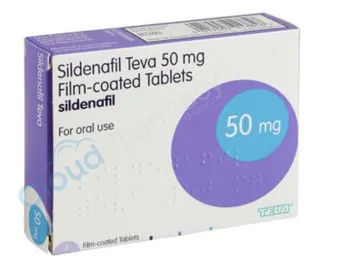
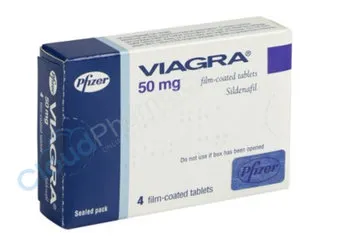
Sildenafil is almost always the first-line treatment recommended in the UK, primarily because it is the most researched medication in its class and offers excellent cost-effectiveness.
Patient Profile
Sildenafil is ideal for the "planner." It is for the patient who knows when they intend to be intimate and wants a medication that is highly effective but clears the system relatively quickly.
Clinical Nuances
- Potency: The standard starting dose is 50mg, which can be titrated up to 100mg or down to 25mg.
- The Absorption Barrier: From a clinical perspective, the biggest hurdle with Sildenafil is patient education regarding food. A heavy meal can delay the "T-max" (the time it takes to reach maximum concentration in the blood) by over an hour.
- Side Effect Profile: Clinicians note that Sildenafil has a slightly higher incidence of "blue-tinted" vision (cyanopsia) due to its cross-reactivity with PDE6 enzymes in the retina.
Tadalafil: The "Freedom" Molecule
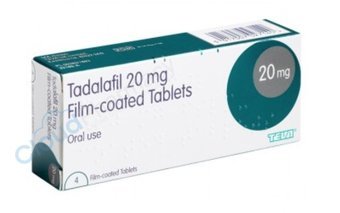
Tadalafil (Cialis) has gained immense popularity in private and NHS practice because it decouples the act of taking a pill from the act of sex.
The Two Dosing Strategies
- On-Demand (10mg/20mg): Known as the "weekend pill," its 36-hour duration allows a patient to take a tablet on a Friday evening and remain responsive through Sunday morning.
- Daily Use (2.5mg/5mg): This is a game-changer for men in long-term relationships. By maintaining a steady state of the drug in the plasma, the patient can achieve an erection spontaneously at any time.
Clinical Nuances
- Comorbidities: Tadalafil is also licensed for the treatment of Benign Prostatic Hyperplasia (BPH). If a patient has both ED and urinary symptoms (frequent urination), Tadalafil 5mg daily can treat both conditions simultaneously.
- The "Muscle Ache" Factor: Because Tadalafil interacts slightly with PDE11 (found in skeletal muscle), some patients report lower back pain or myalgia.
Vardenafil: The Potency Specialist
Vardenafil (Levitra) is often viewed by clinicians as a "refined" version of Sildenafil. It is chemically more potent, meaning a smaller dose is required to achieve the same level of PDE5 inhibition.
Patient Profile
Vardenafil is frequently considered for patients with underlying metabolic issues, such as diabetes. Clinical trials have suggested that Vardenafil may perform slightly better in "difficult-to-treat" populations where the vascular damage is more advanced.
Clinical Nuances
- Fast-Dissolving Option: Vardenafil is available in an orodispersible (melting) tablet. This is useful for patients who may have difficulty swallowing pills or who want a more discreet way to take their medication without needing a glass of water.
- Cardiac Considerations: Clinicians exercise slight caution with Vardenafil in patients with a history of QT prolongation (a specific heart rhythm issue), though this is rare.
Avanafil: The High-Speed Alternative
Avanafil (Spedra) is the "second-generation" inhibitor. Its primary clinical advantage is its speed of action and its high selectivity.
Patient Profile
This is for the patient who found Sildenafil or Tadalafil caused too many "off-target" side effects, such as headaches or visual changes, or for the patient who dislikes the 60-minute wait time.
Clinical Nuances
- Rapid Onset: Spedra can work in as little as 15 minutes. In clinical practice, this reduces the "performance anxiety" that can build up during a long wait for a medication to kick in.
- Selective Action: Because it is highly selective for PDE5, it is less likely to affect other PDE enzymes in the heart or eyes. This often results in fewer reports of "flushing" or "stuffy nose" compared to Sildenafil.
Side-By-Side Clinical Comparison
Feature | ||||
Common Dose | 50mg | 10mg / 5mg daily | 10mg | 100mg |
Window of Action | 4–6 Hours | 36 Hours | 4–5 Hours | 6+ Hours |
Time to Effect | 30–60 Mins | 30–60 Mins | 30–60 Mins | 15–30 Mins |
Food Interaction | Significant | None | Minimal | None |
Unique Side Effect | Visual changes | Muscle/Back pain | Flushing | Generally lower |
The Clinician’s Decision Tree: How We Choose
When a clinician decides which drug to prescribe, they move through a mental checklist:
- Is the patient on Nitrates? If yes, all PDE5 inhibitors are strictly prohibited.
- What is the frequency of sexual activity? If it is more than twice a week, Tadalafil Daily is usually the most convenient and cost-effective.
- Are there absorption concerns? If the patient tends to eat late in the evening, Sildenafil is a poor choice; Tadalafil or Avanafil are better suited.
- Has there been a previous failure? If a patient "failed" on Sildenafil, a clinician will check their technique (e.g., "Did you take it on an empty stomach?") before switching them to a different molecule like Vardenafil.
Managing Side Effects
All PDE5 inhibitors can cause what we call "vasodilatory" side effects—symptoms caused by the widening of blood vessels in other parts of the body.
- Headaches & Flushing: Very common. These usually diminish as the body becomes accustomed to the medication.
- Dyspepsia (Indigestion): PDE5 inhibitors can relax the lower oesophageal sphincter. Patients are advised to avoid taking the pills immediately before lying down.
- Congestion: A "stuffy nose" is a sign the drug is working systemically.
When the Medication Isn't Enough
Clinicians must also recognise when a drug is not the right tool for the job.
If a patient has a total testosterone level below the UK reference range (usually <8-12 nmol/L), PDE5 inhibitors will often fail. Testosterone is required to produce the Nitric Oxide that "starts" the engine; the pills only "keep it running."
In these cases, Testosterone Replacement Therapy (TRT) may be required alongside ED medication.
A Personalised Approach
There is no single "best" ED medication.
The UK's "stepped care" approach ensures that most men start with the proven reliability of Sildenafil. However, if that doesn't fit your life - if the timing is too tight, the side effects too intrusive, or the results too inconsistent - other medications will be considered.
By understanding the subtle differences between these four molecules, you and your healthcare provider can move away from a "one size fits all" approach and toward a treatment plan that restores not just function, but confidence and spontaneity.