






Ageing is a natural process, but in the UK, there remains a persistent myth that losing erectile function is an inevitable consequence of getting older.
While it is true that the prevalence of Erectile Dysfunction (ED) increases with each decade, it is rarely "just age" acting alone.
More often, ED is the result of accumulating health conditions, shifting hormones, and physiological changes in the vascular system.
In your 40s, 50s, and 60s, the "mechanics" of an erection change.
What worked instantly in your 20s may now require more time, more stimulation, or medical support.
Understanding these decade-specific shifts is the key to maintaining a healthy and fulfilling sex life well into your senior years.
This guide, written for the Cloud Pharmacy community, explores the clinical evolution of ED across the middle and later years of life.
The Biological Reality: Why Age Matters
To understand the decade-by-decade breakdown, we must first look at the four pillars of an erection that decline naturally over time:
- Vascular Elasticity: The blood vessels become stiffer (arteriosclerosis), making it harder for them to dilate quickly.
- Neurological Sensitivity: Nerve endings in the penis become slightly less sensitive, requiring more direct physical stimulation to trigger the arousal signal.
- Hormonal Drive: Bioavailable testosterone levels drop by roughly 1% to 2% per year after the age of 30.
- Smooth Muscle Integrity: The "trap" mechanism - the muscles that compress veins to keep blood inside the penis - can weaken, leading to "venous leak."
ED in Your 40s: The Early Warning Phase
For many men in the UK, the 40s are the decade where they first notice a change.
It isn't usually a total loss of function, but rather a "softening" or a longer "refractory period" (the time needed between erections).
The Stress and Lifestyle Peak
In your 40s, ED is often a combination of early physical changes and peak psychological stress.
This is frequently the decade of high-pressure career moves, teenage children, and the first signs of a slowing metabolism.
- The "Canary" Effect: If ED starts in your 40s, it is a significant cardiovascular "red flag." Because the penile arteries are smaller than heart arteries, ED at this age can precede a heart attack or stroke by 3–5 years.
- The "Dad Bod" Factor: Weight gain around the midsection (visceral fat) begins to convert testosterone into oestrogen, dampening libido.
Treatment Focus:
At this stage, lifestyle "U-turns" are incredibly effective.
Stopping smoking, reducing alcohol, and starting a HIIT or strength-training regime can often reverse ED without the need for long-term medication.
ED in Your 50s: The Metabolic Crossroads
By the time a man reaches his 50s, the "wear and tear" on the vascular system becomes more pronounced.
Statistically, about 50% of men in their 50s will experience some degree of ED.
The Rise of Chronic Conditions
This is the decade where "silent" health issues often receive a formal diagnosis.
- Type 2 Diabetes: High blood sugar levels damage the delicate nerves (neuropathy) and blood vessels involved in erections.
- Hypertension (High Blood Pressure): The very medications used to treat high blood pressure (like beta-blockers) can, ironically, sometimes contribute to ED.
- Prostate Health: Men in their 50s may start experiencing Urinary Tract Symptoms (LUTS) due to an enlarged prostate (BPH), which is highly correlated with ED.
Treatment Focus:
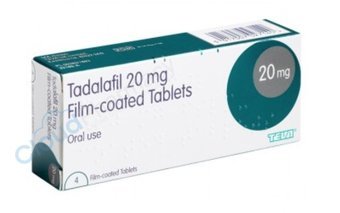
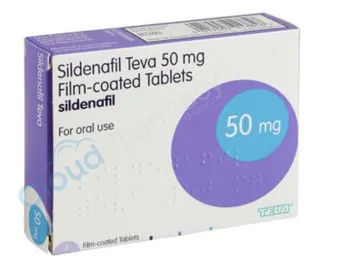
PDE5 Inhibitors (Sildenafil or Tadalafil) become a common tool in the 50s. Tadalafil (5mg daily) is often preferred here as it also helps alleviate the urinary symptoms associated with an enlarged prostate.
ED in Your 60s and Beyond: The Physiological Shift
In your 60s, the "organic" or physical causes of ED become dominant.
The British secondary care pathway notes that by age 60, most ED is multi-factorial, involving nerves, vessels, and hormones simultaneously.
Structural Changes
- Venous Leak: The tissue surrounding the blood chambers (the tunica albuginea) becomes less elastic. Even if blood gets into the penis, the "valves" struggle to keep it there, leading to erections that subside quickly.
- Testosterone Deficiency: While not the cause of all ED, "Low T" is more prevalent in the 60s, leading to a significant drop in "morning wood" and sexual desire.
Treatment Focus:
While tablets still work for many, men in their 60s may begin to explore second-line treatments.
If blood flow is too poor for a pill to work, Vacuum Erection Devices (VEDs) or Alprostadil injections (Caverject) provide a reliable way to bypass the vascular system and induce an erection mechanically or chemically.
Managing Expectations: What is "Normal"?
It is vital to adjust your "sexual script" as you age.
Expecting the spontaneous, "instant" erections of a 19-year-old when you are 65 is a recipe for performance anxiety.
Feature | In Your 20s | In Your 60s |
Arousal Speed | Near-instant; often visual. | Requires more physical touch/foreplay. |
Firmness | 100% rigid. | May be slightly less rigid (80-90%). |
Refractory Period | Minutes. | 12 to 24 hours (or longer). |
Ejaculation Control | Can be difficult to delay. | Often easier to control; volume may decrease. |
The UK Clinical Pathway: How to Get Help
Regardless of whether you are 41 or 69, the diagnostic journey in the UK is the same. The goal is to ensure you are safe to use medication and to check for underlying risks.
The Screen
Your GP or a qualified pharmacist will check your blood pressure and may request an HbA1c test (for diabetes) and a Lipid Profile (for cholesterol).
Medication Selection
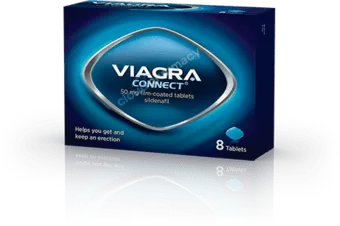
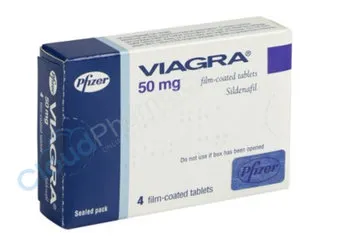
- Sildenafil (Viagra): Good for occasional use; requires a "gap" after eating.
- Tadalafil (Cialis): The most popular choice for older men due to its 36-hour window and its benefits for prostate health.
- Vardenafil (Levitra): Often effective for men with diabetes who don't respond well to Sildenafil.
Safety Check: The Nitrate Rule
The most critical safety rule as you age is the Nitrate Interaction.
If you take nitrates for chest pain (angina), such as GTN spray or isosorbide mononitrate, you cannot take PDE5 inhibitors. This is because the combination can cause a life-threatening drop in blood pressure.
Lifestyle: The "Age-Defying" Habits
While you cannot stop the clock, you can slow the rate of vascular decline.
Clinical evidence suggests that men who maintain cardiovascular fitness in their 60s often have the erectile function of men twenty years their junior.
- The 30-Minute Walk: Brisk walking improves Endothelial Function - the ability of your blood vessels to produce nitric oxide.
- Pelvic Floor Exercises (Kegels): Strengthening the muscles at the base of the penis can help "trap" blood more effectively, combating venous leak.
- The Mediterranean Diet: Diets high in leafy greens, nuts, and healthy fats are shown to protect the small arteries in the pelvic region.
Summary Checklist: Decade by Decade
Decade | Primary Driver of ED | Key "Red Flag" | Best First Step |
40s | Stress, Alcohol, Early Vascular | Cardiovascular Health | Lifestyle overhaul; weight loss. |
50s | Diabetes, Hypertension, BPH | Blood Sugar / Blood Pressure | GP check-up; daily Tadalafil. |
60s+ | Venous Leak, Low Testosterone | Hormonal / Nerve Health | PDE5 inhibitors; VED pumps. |
A New Chapter, Not the End
ED in your 40s, 50s, or 60s is a clinical signal, not a character flaw.
It is your body’s way of signalling there may be other issues.
By addressing the underlying health issues - be it your blood pressure, your weight, or your stress levels - you aren't just fixing your sex life; you are likely extending your actual life.
Don't let embarrassment prevent you from seeking help. Modern treatments are safe, effective, and easily accessible through professional services like Cloud Pharmacy.