






For decades, Erectile Dysfunction (ED) was framed almost exclusively as a "senior" health issue - something that happens to men in their 60s and 70s.
However, clinical data from across the UK tells a different story. Recent studies suggest that up to 25% of men seeking treatment for new-onset ED are under the age of 40, with a significant portion of those being in their 20s.
In younger men, the "mechanics" of the body are usually in peak condition, which makes the experience of ED particularly confusing and distressing.
For this demographic, the cause is rarely just "old age."
Instead, it is often a complex interplay of modern lifestyle stressors, psychological pressure, and occasionally, early-onset medical conditions.
This guide provides a comprehensive breakdown of why ED occurs in younger men, the role of "performance anxiety," and the modern treatment pathways available in the UK.
Understanding the "Younger" ED Profile
The primary difference between ED in a 25-year-old and a 65-year-old is the likely root cause.
In older men, the cause is roughly 80% physical (organic). In men under 40, those statistics are often flipped, with psychological factors playing a dominant role.
However, it is a mistake to assume it is "all in the head."
Younger men are increasingly affected by lifestyle-driven physical issues that mimic the vascular decline seen in older populations.
The Two-Minute Health Check
A key indicator used by UK GPs to differentiate between physical and psychological ED is the presence of Nocturnal Penile Tumescence (NPT), commonly known as "morning wood."
- If you wake up with an erection: Your "hardware" (nerves and blood vessels) is functioning perfectly. The issue is likely psychological or situational.
- If morning erections have vanished: This is a red flag for a physical issue, such as a hormonal imbalance or early vascular damage.
Psychological Causes: The Brain-Body Disconnect
The brain is the body’s most powerful sex organ.
Arousal starts with a signal from the brain to the nerves in the penis. If that signal is interrupted by stress or "static," the physical process simply won't start.
Performance Anxiety: The Adrenaline Spike
Performance anxiety is the single most common cause of ED in younger men.
It creates a self-fulfilling prophecy: a man worries about his performance, which triggers the body’s "fight or flight" response.
- The brain releases adrenaline and cortisol.
- These chemicals constrict blood vessels to prioritise blood flow to the heart and lungs (to "fight" the imaginary threat).
- Blood is diverted away from the penis, making an erection physically impossible.
The "Porn-Induced" Phenomenon
While controversial, many clinicians are observing a link between heavy consumption of pornography and ED in real-world settings.
This is often referred to as Porn-Induced Erectile Dysfunction (PIED).
- Desensitisation: The brain becomes conditioned to "supernormal stimuli" (multiple partners, extreme scenarios, instant novelty).
- Comparison: Real-life intimacy can feel "slow" or "low-intensity" by comparison, failing to trigger the necessary dopamine spike for an erection.
Depression and Modern Stress
Younger men face unique pressures - career instability, social media comparison, and the "always-on" culture.
Depression doesn't just lower mood; it chemically lowers libido and disrupts the neurotransmitters needed for arousal.
Physical Causes in Younger Men
While less common, physical causes must be ruled out to ensure long-term health.
Early Vascular Warning Signs
The arteries in the penis are tiny (1–2mm).
If a young man has high cholesterol or early-stage Type 2 diabetes, these vessels are the first to narrow.
In the UK, a sudden onset of physical ED in a young man is often a "sentinel" sign of future heart disease.
Lifestyle Factors
- Vaping and Smoking: Nicotine is a potent vasoconstrictor. It "chokes" the blood vessels, preventing the rapid blood flow needed for an erection.
- Anabolic Steroid Use: Some young men in the "fitness" community use performance-enhancing drugs. These can shut down the body’s natural testosterone production, leading to severe hormonal ED.
- Bicycle Riding: Intense, long-distance cycling on narrow saddles can compress the pudendal nerves and arteries, leading to temporary numbness and ED.
The Diagnostic Journey: What to Expect at the GP
Seeking help for ED can feel embarrassing, but UK healthcare professionals are trained to handle this with clinical objectivity.
The goal is to ensure that ED isn't signalling a larger health problem.
Clinical Screening
A GP will likely perform:
- The IIEF-5 Questionnaire: A 5-question tool to grade the severity of your ED.
- Blood Pressure and BMI: To check for early cardiovascular risk.
- Full Blood Count (FBC) and HbA1c: To screen for diabetes.
- Morning Testosterone Test: Taken before 10:00 am to check your hormonal baseline.
Treatment Options for Younger Men
The UK "stepped care" model ensures that you receive the most appropriate treatment for your specific cause.
First-Line: Psychological and Lifestyle Interventions
If the cause is deemed psychological (e.g., you still have morning wood), the focus is on "unlearning" the anxiety response.
- Psychosexual Therapy (PST): A specialised form of CBT that helps men re-frame sex as a source of pleasure rather than a "test" of performance.
- Sensate Focus Exercises: A partner-based technique where the goal of "intercourse" is removed. You focus solely on the sensation of touch, which helps lower the heart rate and reduce adrenaline.
Second-Line: PDE5 Inhibitors
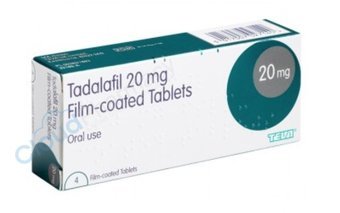
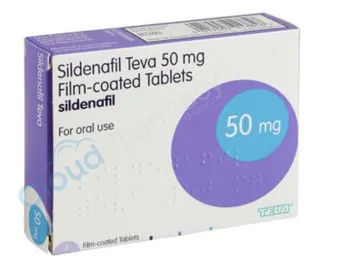
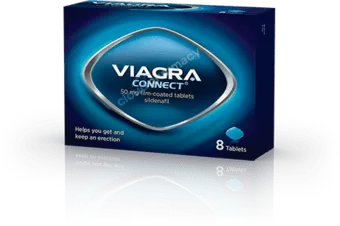
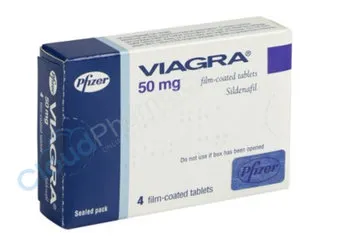
Medications like Sildenafil (Viagra) and Tadalafil (Cialis) are highly effective for younger men, even when the cause is psychological.
- The Safety Net Effect: For many young men, taking a pill just once or twice breaks the "failure cycle." Knowing the pill is there acts as a "safety net," lowering anxiety enough that the medication isn't even needed in the long term.
- Daily Tadalafil (5mg): A popular choice for younger men who want spontaneity, as it stays in the system and removes the "timer" associated with other ED pills.
Third-Line: Addressing "Food Noise" and Weight
With the rise of GLP-1 medications like Wegovy and Mounjaro in the UK, men struggling with obesity-related ED are finding that significant weight loss restores natural testosterone levels and improves vascular flow, often curing the ED entirely.
Managing Your Expectations
One of the biggest hurdles for younger men is the belief that they should be "ready to go" 24/7.
- Refractory Period: After an orgasm, it is biologically normal for men to have a "recovery time" where another erection is impossible. This period gets longer as we age, but even in your 20s, it can last from minutes to hours.
- External Factors: Tiredness, having "one too many" drinks, or a bad day at work are all valid reasons for the body to say "not tonight." This is not a failure; it is a human reality.
Summary Comparison: Understanding the Red Flags
Feature | Psychological (Anxiety/Porn) | Physical (Medical/Vascular) |
Onset | Sudden (one night it worked, the next it didn't). | Gradual (erections getting softer over months). |
Morning Wood | Present and firm. | Absent or significantly weaker. |
Consistency | Varies (works alone, fails with a partner). | Happens in all situations. |
First-Line Fix | Therapy, Stress Management, "Safety Net" Pill. | Blood tests, Lifestyle overhaul, Daily Medication. |
Take Action Early
If you are a young man experiencing ED, the most important thing to know is that you are not alone, and you are not broken.
Whether the cause is the pressure of modern dating, a "reset" needed from digital content, or an early warning about your blood sugar, the solution is nearly always manageable.
The UK healthcare system offers discreet, professional support. By speaking to a pharmacist or a GP, you can rule out the serious "red flags" and get back to a healthy, confident sex life.