






In the landscape of men’s health, few topics are as misunderstood as the relationship between testosterone and erectile function.
For many men in the UK, the logic seems simple: if things aren't working in the bedroom, "Low T" must be the culprit.
However, clinical reality is far more nuanced.
While testosterone is essential for male sexual health, it is rarely the "on/off switch" for an erection.
Often, the cause of Erectile Dysfunction (ED) lies within the blood vessels or the mind, rather than the endocrine system.
This guide explores the complex link between hormones and performance, helping you understand when a hormonal check is vital, when testosterone is a "red herring," and how to navigate the diagnostic pathway in the UK.
The Biological Role of Testosterone
Testosterone is the primary male sex hormone, produced mainly in the testes. It acts as the fuel for a man's sexual drive (libido) and supports the structural health of the penile tissues.
However, an erection is primarily a vascular and neurological event.
It requires a signal from the brain, clear nerve pathways, and healthy blood vessels that can expand rapidly.
Testosterone's main job is to keep the urge there. It doesn’t do much to affect the hardware.
When Hormones Matter: The Signs of Testosterone Deficiency (TD)
According to the British Society for Sexual Medicine (BSSM), testosterone deficiency (also known as hypogonadism) is a clinical and biochemical syndrome.
It isn't just about a number on a blood test; it's about how you feel.
Hormones likely do matter if your ED is accompanied by:
- Loss of Libido: A significant, persistent drop in sexual desire or "thought" of sex.
- Loss of Early Morning Erections: Testosterone levels peak in the morning; a lack of "morning wood" is a classic marker of hormonal or physical issues.
- Physical Changes: Unexplained fatigue, loss of muscle mass, increased abdominal fat, or "brain fog."
- Mood Disturbances: Increased irritability or a low mood that doesn't feel like typical depression.
When Hormones Don't Matter: The "Vascular" Reality
If you have a high sex drive but simply cannot get or maintain the physical erection, the issue is unlikely to be testosterone.
In the majority of UK cases, ED is caused by atherosclerosis (narrowing of the arteries) or performance anxiety.
The Threshold Effect
The body does not need "maximal" testosterone for an erection.
There is a threshold level - typically around 8–12 nmol/L - above which adding more testosterone does not necessarily improve erectile quality.
If your levels are already in the "normal" range, taking supplemental testosterone (TRT) is unlikely to fix your ED.
In these cases, the "red flag" is actually pointing toward your heart health, not your hormones.
The Diagnostic Pathway in the UK
If you suspect your hormones are playing a role, the NHS and private clinics follow a strict evidence-based protocol to ensure you aren't over-diagnosed or under-treated.
The 10:00 AM Rule
Hormone levels fluctuate throughout the day.
To get an accurate reading, blood must be drawn in a fasting state before 10:00 am. If a test is taken in the afternoon, it may show a "false low" that doesn't reflect your true baseline.
Confirmatory Testing
A single low result is never enough for a diagnosis.
UK guidelines require at least two separate blood tests, usually 4 weeks apart, to confirm a persistent deficiency.
Your GP will also check your SHBG (Sex Hormone Binding Globulin) to calculate your "Free Testosterone" - the portion of the hormone actually available for your body to use.
Screening for Comorbidities
Because low testosterone is often a symptom of other issues, your doctor will likely screen for:
- Type 2 Diabetes: Obesity and high blood sugar "crush" testosterone production.
- Sleep Apnoea: Poor sleep quality disrupts the nocturnal cycles when testosterone is produced.
- Pituitary Function: Checking levels of LH (Luteinizing Hormone) to see if the problem is in the testes or the brain.
Treatment: When to Use TRT vs. PDE5 Inhibitors
Treatment depends entirely on the root cause. Using the wrong tool for the job is a common reason why men feel their treatment has "failed."
Scenario A: Low T + Low Libido + ED
In this case, Testosterone Replacement Therapy (TRT) may be the first-line choice.
By restoring hormonal levels, your desire returns, and the penile tissues become more responsive. TRT in the UK is typically delivered via:
- Transdermal Gels: Applied daily to the shoulders or abdomen (e.g., Testogel).
- Long-acting Injections: Administered every 10–14 weeks (e.g., Nebido).
Scenario B: Normal T + Physical ED
If your hormones are normal, TRT will not help.
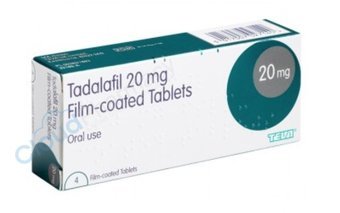
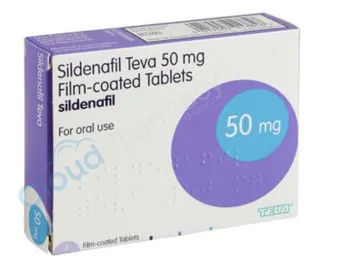
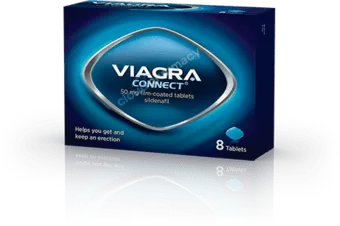
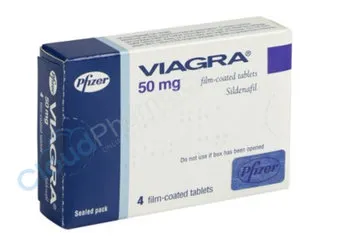
Instead, treatments that focus on blood flow - PDE5 Inhibitors like Sildenafil (Viagra) or Tadalafil (Cialis) - are the right choice.
These medications help the blood vessels relax, regardless of your hormone levels.
Scenario C: The "Combination" Approach
Interestingly, some men with low testosterone find that Viagra doesn't work for them.
Research shows that testosterone "primes" the blood vessels to respond to PDE5 inhibitors.
For these men, a combination of TRT and Sildenafil is often the only way to restore full function.
Myth-Busting: Testosterone and ED
Myth: "Testosterone is a cure-all for every man with ED."
Fact: If your ED is caused by smoking, diabetes, or stress, testosterone will not fix it. It is only a "cure" if you are clinically deficient.
Myth: "High testosterone makes you a better performer."
Fact: Once you meet the "normal" physiological threshold, extra testosterone does not increase "hardness" or duration. It may, however, increase the risk of side effects like thickened blood (polycythaemia).
Summary: A Comparison of Symptoms
Feature | Hormonal Cause (Low T) | Vascular Cause (Blood Flow) |
Sexual Desire | Significantly reduced or absent. | Often high; the mind is "willing." |
Morning Erections | Usually absent. | May be present but weak. |
Energy Levels | Fatigue, "brain fog," low motivation. | Usually normal (unless heart disease is advanced). |
Body Composition | Loss of muscle, increased "man boobs" (gynaecomastia). | Often linked to high BMI/waist circumference. |
First-Line Treatment | Lifestyle change + TRT. | Lifestyle change + PDE5 Inhibitors (e.g., Sildenafil). |
Take a Holistic View
Erectile Dysfunction is rarely a one-dimensional problem. While hormones provide the "spark," your cardiovascular system provides the "fire."
If you are struggling, don't assume you need a hormone boost.
Start with a comprehensive check-up that looks at your blood pressure, cholesterol, and blood sugar alongside your testosterone.
Understanding whether your hormones matter - or if your heart needs attention - is the first step toward a safe and effective recovery.