






Erectile Dysfunction (ED) - defined as the persistent inability to attain or maintain an erection firm enough for satisfactory sexual performance - is one of the most common health conditions affecting men in the UK.
While often dismissed as an "ageing issue" or a source of private embarrassment, ED is increasingly recognised by the NHS and private specialists as a vital "barometer" for overall systemic health.
In many cases, the penis acts as a "sentinel" for the cardiovascular system; because the arteries supplying it are significantly smaller than those supplying the heart, ED can sometimes be the first warning sign of underlying vascular disease.
This guide provides a comprehensive overview of why ED happens, how it is diagnosed in a UK clinical setting, and the modern treatment pathway.
Understanding the Causes: Physical vs. Psychological
The mechanics of an erection involve a complex coordination of the brain, hormones, nerves, and blood vessels.
If any part of this chain is disrupted, ED can occur. Generally, causes are categorised into two main groups, though they often overlap.
Physical (Organic) Causes
Physical ED usually develops gradually. If you still experience "morning wood" (nocturnal erections) but struggle during sexual activity, the cause may not be physical. However, if erections are absent in all circumstances, one of the following may be the culprit:
- Vasculogenic (Blood Flow): This is the most common cause in the UK. Conditions like hypertension (high blood pressure), high cholesterol, and Type 2 diabetes damage the lining of the blood vessels, preventing the corpora cavernosa (the chambers in the penis) from filling with blood.
- Neurogenic (Nerve Issues): Damage to the nerves that send signals from the brain to the penis. This can be caused by Multiple Sclerosis (MS), Parkinson’s disease, or recovery from prostate surgery.
- Hormonal: Low levels of testosterone (hypogonadism) or thyroid imbalances.
- Anatomical: Conditions like Peyronie’s disease, where scar tissue causes the penis to curve significantly.
Psychological Causes
Psychological ED often appears suddenly. If the "plumbing" works but the "signal" from the brain is interrupted, it is often due to:
- Performance Anxiety: A cycle of stress where the fear of failing to get an erection triggers the "fight or flight" response, redirecting blood away from the penis.
- Stress and Depression: Low mood can dampen libido and disrupt the neurotransmitters required for arousal.
- Relationship Issues: Communication breakdowns or loss of intimacy with a partner.
The Diagnostic Journey in the UK
If you visit a GP in the UK regarding ED, the process is designed to be discreet and thorough.
The goal is not just to treat the symptom, but to identify any hidden health risks.
The Initial Consultation
Your doctor will likely ask about your "erection quality" using a tool like the IIEF-5 (International Index of Erectile Function).
They will ask whether the onset was sudden or gradual and whether you still experience spontaneous erections upon waking.
Physical Examination
A GP may perform a basic physical check, which includes:
- Blood Pressure: To rule out hypertension.
- Heart Rate: To check for cardiovascular health.
- Waist Circumference/BMI: As obesity is a primary risk factor for ED.
- Genital Exam: Occasionally, to check for signs of Peyronie's or nerve sensitivity.
Laboratory Tests
A standard "ED blood panel" in the UK typically includes:
- HbA1c: To screen for undiagnosed Type 2 diabetes.
- Lipid Profile: To check cholesterol levels.
- Total Testosterone: Ideally taken before 10:00 am when levels are at their peak.
Treatment Options: The Clinical Pathway
It makes sense to follow a "stepped" approach to treatment, starting with the least invasive options.
First-Line: Lifestyle and Oral Medication
Before reaching for a prescription, your GP may suggest lifestyle modifications.
Smoking cessation, reducing alcohol intake, and regular aerobic exercise have been shown to improve erectile function by enhancing endothelial health (the health of blood vessel linings).
PDE5 Inhibitors (The "Blue Pill" and beyond):
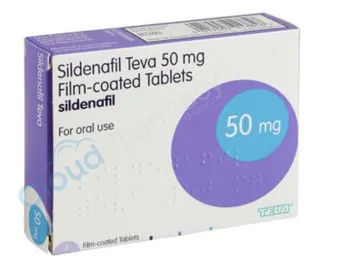
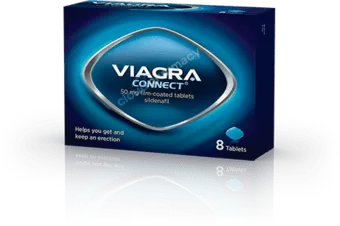
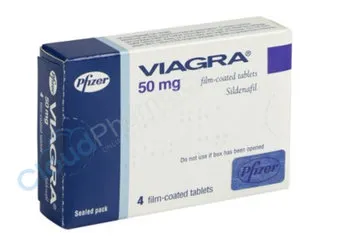
- Sildenafil (Viagra): The most common first choice. It usually works within 30–60 minutes and lasts for about 4 hours.
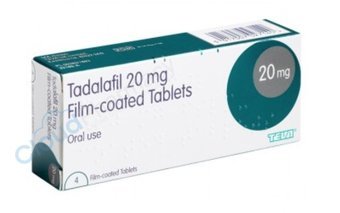
- Tadalafil (Cialis): Known as the "weekend pill" because it can stay effective for up to 36 hours. A low-dose daily version is also available for those who want more spontaneity.
- Vardenafil and Avanafil: Alternatives for those who experience side effects with the others.
Note: These medications do not cause an automatic erection; they require sexual arousal to work.
Second-Line: Localised Treatments
If tablets are ineffective or unsuitable (for example, if you take nitrates for heart disease), localised options are used:
- Vacuum Erection Devices (VED): A plastic tube and pump that creates a vacuum to draw blood into the penis. A tension ring is then placed at the base to maintain the erection.
- Alprostadil (Cream or Injections): Medications like Caverject (injection) or Vitaros (cream) act directly on the penile tissue to induce blood flow.
Third-Line: Specialist Surgery
For men who do not respond to any of the above, a Penile Implant may be considered. This involves a surgical procedure to place inflatable or semi-rigid rods inside the penis. While invasive, it has one of the highest patient satisfaction rates for long-term ED management.
Psychological Support: Psychosexual Therapy
In the UK, many patients benefit from Psychosexual Therapy (PST).
This is a form of cognitive-behavioural therapy (CBT) specifically tailored to sexual issues. It involves talking through anxieties and, if you have a partner, performing "sensate focus" exercises at home to remove the pressure of "attaining an erection" and refocusing on physical touch.
When to Seek Urgent Advice (Red Flags)
While ED itself isn't an emergency, some related scenarios are:
- Priapism: If you use ED medication or injections and have an erection that lasts more than 4 hours, you must go to A&E. This is a medical emergency that can cause permanent tissue damage.
- Sudden Vision or Hearing Loss: A very rare but serious side effect of PDE5 inhibitors. Stop the medication and seek immediate help.
- Chest Pain: If you experience chest pain during sexual activity, particularly if you have used ED medication, do not take GTN (nitrate) spray. Call 999 and inform the paramedics that you have taken a PDE5 inhibitor.
Summary Checklist: Navigating ED
Feature | Physical Cause | Psychological Cause |
Onset | Gradual (months/years). | Sudden (days/weeks). |
Morning Erections | Usually absent or weak. | Usually present and firm. |
Consistency | Happens every time. | Varies by situation/partner. |
Health Links | Diabetes, Heart Disease, Obesity. | Stress, Anxiety, Depression. |
First Action | See GP for blood tests. | Consider PST or CBT. |
Don't Suffer in Silence
Erectile dysfunction is no longer a condition that men "just have to live with." With the availability of generic medications and a better understanding of the link between the heart and the penis, treatment is more accessible and effective than ever before.
The most important step is the first one: speaking to a healthcare professional. Whether the solution is a simple lifestyle change, a daily tablet, or therapy, the goal is to restore your confidence and ensure your long-term cardiovascular health is protected.