






For many men, the diagnosis of Type 1 or Type 2 diabetes brings a wave of lifestyle adjustments - monitoring blood glucose, counting carbohydrates, and increasing physical activity.
However, one of the most significant complications of the condition is often the one discussed the least: Erectile Dysfunction (ED).
In the UK, it is estimated that men with diabetes are three times more likely to experience erectile problems than those without the condition.
Furthermore, ED often presents ten to fifteen years earlier in diabetic patients.
While this can be a daunting prospect, understanding the physiological link between blood sugar and sexual health is the first step toward effective management and recovery.
The Biological Link: How Diabetes Causes ED
The process of achieving an erection is a complex "symphony" involving the brain, hormones, emotions, nerves, and blood vessels.
Diabetes acts as a disruptor to several of these key players.
Vascular Damage (Microvascular Complications)
Erections are essentially a cardiovascular event. When a man is aroused, the arteries leading to the penis dilate to allow an influx of blood.
Chronic high blood sugar (hyperglycaemia) causes damage to the lining of these small blood vessels, known as the endothelium.
This damage reduces the production of nitric oxide, a crucial chemical that tells the blood vessels to relax and open up.
If the vessels cannot dilate properly, sufficient blood flow cannot reach the penis to create a firm erection.
Because the arteries in the penis are significantly smaller than those in the heart, ED is often the "canary in the coal mine" for wider cardiovascular issues.
Diabetic Neuropathy (Nerve Damage)
Diabetes is notorious for causing nerve damage, often felt as tingling or numbness in the hands and feet.
However, it can also affect the autonomic nerves that control the sexual response.
For an erection to occur, the brain must send signals through the spinal cord to the pelvic nerves.
If these nerves are damaged by prolonged high glucose levels, the "message" to initiate an erection is interrupted or lost entirely.
Hormonal Imbalances
There is a strong correlation between Type 2 diabetes and low testosterone (hypogonadism).
Testosterone is the primary fuel for a man's libido.
When levels are low, it’s not just the physical ability to get an erection that suffers; the mental desire for sex diminishes as well, making the physical process even harder to trigger.
The Role of ED Medications: How They Work for Diabetics
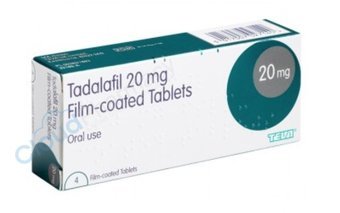
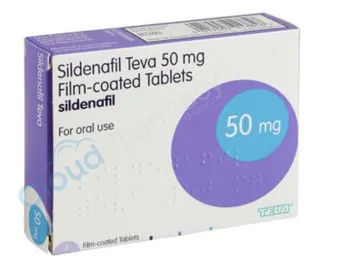
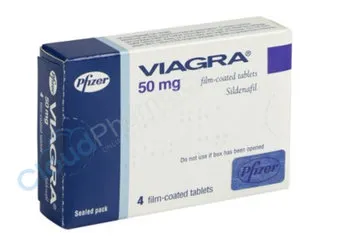
For many men in the UK, the first port of call is a GP to discuss PDE5 inhibitors, such as Sildenafil(Viagra), Tadalafil(Cialis), or Vardenafil(Levitra).
How They Help
These medications work by inhibiting the PDE5 enzyme, which effectively "traps" nitric oxide in the penile tissues for longer.
This encourages the blood vessels to remain dilated, allowing blood to flow in and stay there.
Considerations for Men with Diabetes
While these medications are generally safe and highly effective, men with diabetes may find that:
- Consistency is Key: If blood vessel damage is more advanced, the medication might not work the first or second time. It often takes several attempts to see results.
- Tadalafil (Daily) vs. Sildenafil (On-demand): Some men with diabetes prefer a low-dose daily tablet (Tadalafil 5mg) to keep a steady level of the drug in their system, which can help overcome the persistent vascular challenges of the condition.
- Interactions: It is vital to discuss these medications with a healthcare provider, especially if you are taking nitrates for heart problems, as the combination can cause a dangerous drop in blood pressure.
The Power of Lifestyle: Turning the Tide
While medication treats the symptoms, lifestyle changes address the root cause.
For a man with diabetes, improving erectile function is synonymous with improving overall metabolic health.
Glycaemic Control
The most critical factor is the management of HbA1c levels.
By keeping blood sugar within the target range recommended by your GP, you can slow - or even stop - further damage to the nerves and blood vessels.
Stable blood sugar creates an environment where the body's natural repair mechanisms can function.
Cardiovascular Exercise
The "Green Prescription" is often the most effective.
Regular aerobic exercise - such as brisk walking, cycling, or swimming - improves circulation and boosts the body’s natural production of nitric oxide.
This not only helps with ED but also reduces the risk of heart attacks and strokes, which are higher in the diabetic community.
Weight Management and Diet
Excess body fat, particularly around the midsection, converts testosterone into oestrogen and promotes inflammation.
Adopting a Mediterranean-style diet - rich in leafy greens, lean proteins, and healthy fats - has been clinically shown to improve erectile function in men with metabolic syndrome.
Smoking Cessation
Smoking is a massive vasoconstrictor (it narrows blood vessels).
For a man with diabetes, smoking is a "double hit" to his sexual health.
Quitting is perhaps the single most impactful thing a man can do to improve his vascular health and erectile quality.
The Psychological Weight
It is important to acknowledge that ED isn't just a physical issue.
The stress of managing a chronic condition like diabetes, combined with the frustration of sexual dysfunction, can lead to a cycle of anxiety and depression.
This "performance anxiety" creates a secondary layer of ED that is psychological in nature.
Open communication with a partner and, if necessary, seeking psychosexual therapy can be just as important as medical intervention.
When the mind is stressed, the body cannot relax into the parasympathetic state required for an erection.
A Proactive Approach
Erectile dysfunction is a common complication of diabetes, but it is not an inevitable or permanent sentence.
By viewing ED as a clear signal from the body that the vascular system needs attention, men can take proactive steps to reclaim their health.
Through a combination of rigorous glucose control, targeted medication, and lifestyle overhauls, most men with diabetes can see a significant improvement in their sexual function and, more importantly, their long-term quality of life.
Important Note: If you are experiencing ED, do not suffer in silence. Speak to your GP or a diabetes specialist. They can help you investigate whether it is a sign of underlying heart disease and ensure you receive the safest, most effective treatment for your specific needs.