






One of the most frustrating and confusing aspects of Erectile Dysfunction (ED) is its unpredictability.
For many men in the UK, the problem isn’t a total, permanent loss of function, but rather a "hit-and-miss" scenario.
You might find that things work perfectly on a relaxed Saturday morning but fail completely on a Tuesday night.
Or perhaps everything is fine during solo sessions, but the moment a partner is involved, the situation changes.
This "intermittent" ED often leads to a cycle of self-doubt.
You might tell yourself, "It worked last week, so it can’t be a medical problem," only to be blindsided when it happens again.
In reality, the fact that ED "comes and goes" is actually a vital diagnostic clue. It tells us a great deal about the interplay between your vascular system, your hormones, and your mental health.
Understanding why your body fluctuates is the first step toward regaining consistency. Here is a look at the common reasons why ED isn't always a constant companion.
The "Psychological Ceiling": Stress and Anxiety
In the UK, we often underestimate the impact of our mental state on our physical responses. If your ED is intermittent, the most likely culprit is Situational Anxiety or fluctuating stress levels.
The brain is the "command centre" for an erection. If that centre is occupied by cortisol (the stress hormone) due to a difficult day at the office or a looming mortgage payment, it simply won't send the necessary signals to the rest of the body.
- The "Context" Factor: You may find you have no issues while on holiday, far away from the pressures of daily life. The moment you return to the "grind," the ED returns.
- Performance Anxiety: Once you have one "failed" encounter, the fear of it happening again creates a mental block. On nights when you feel confident, it works; on nights when you feel pressured, it doesn't.
Lifestyle "Peaks and Troughs"
Our habits in the UK aren't always consistent, and neither is our erectile health.
Intermittent ED is often a direct reflection of your lifestyle choices over the preceding 24 to 48 hours.
The "Weekend Effect" (Alcohol)
Alcohol is a major cause of temporary ED. You might be fine during the week when you are sober, but find that after three or four pints at the local pub on a Friday, your nervous system is too "dulled" to respond to stimulation.
This is often jokingly referred to as "brewer's droop," but it is a genuine biological depressant at work.
Sleep Deprivation
Testosterone - the fuel for your libido - is produced primarily during deep REM sleep. If you’ve had a string of late nights or are suffering from "social jetlag," your testosterone levels may temporarily dip low enough to make achieving an erection difficult.
Once you catch up on sleep, the "problem" seemingly vanishes.
The "Canary in the Coal Mine": Early Vascular Disease
This is perhaps the most important reason why ED can fluctuate. Medical professionals often describe the penis as the "canary in the coal mine" for heart health.
The arteries supplying the penis are tiny (1–2mm) compared to the ones supplying the heart (3–4mm).
The Reality: In the early stages of Atherosclerosis (furring of the arteries), the blood vessels aren't completely blocked, but they are "compromised."
When your blood pressure is optimal, you are relaxed, and your heart rate is steady, there is enough pressure to overcome the slight resistance in the vessels.
However, if you are slightly dehydrated, tired, or have eaten a heavy, fatty meal, the blood flow becomes just restricted enough that an erection fails.
In this scenario, the ED "comes and goes" because your vascular system is hovering right on the edge of its functional limit.
Medication Side Effects
Many common UK prescriptions for high blood pressure, depression, or hair loss can have "intermittent" effects on erectile function.
Blood Pressure Meds: Beta-blockers can make it harder for the heart to pump blood rapidly to the extremities. You might find you are fine in certain positions or when moving slowly, but struggle during more vigorous activity.
Timing of Meds: Some men find that if they have sex shortly after taking their daily tablet, they struggle, but if they wait 12 hours until the drug level in their blood dips, their function returns.
Physical vs. Psychological: The "Morning Wood" Test
If you are trying to figure out why your ED is inconsistent, the "Nocturnal Penile Tumescence" (morning erection) is the ultimate diagnostic tool.
| Scenario | What it Likely Means |
| Regular morning erections, but ED with a partner. | Psychological/Situational: Your "plumbing" works fine, but stress or anxiety is blocking the signal during intimacy. |
| No morning erections and inconsistent ED. | Physical/Vascular: There is likely an underlying blood flow issue or hormonal imbalance. |
| Occasional morning erections and intermittent ED. | Early Vascular/Lifestyle: Your system is struggling but still capable under the "perfect" conditions. |
How to Move from Intermittent to Consistent
If your ED isn't constant, the good news is that your body is still capable of the necessary response. You just need to lower the "threshold" for success.
Eliminate the "Variables"
Try to standardise your lifestyle for a week. Limit alcohol to one unit, aim for 8 hours of sleep, and stay hydrated. If the ED disappears, you know your "triggers."
Use "On-Demand" Support
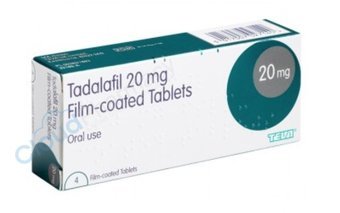
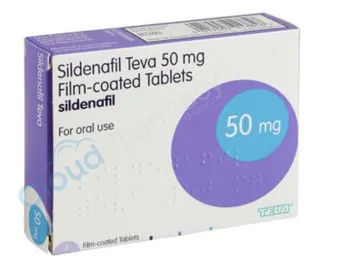
For men with intermittent ED, using a low-dose ED medication (like 25mg Sildenafil or 5mg Tadalafil) can act as a safety net. Knowing the pill is there often lowers the performance anxiety enough that you don't actually "need" the chemical help - but having it in your system ensures the "plumbing" stays open even when you're stressed.
Check Your Numbers
Since intermittent ED can be an early sign of heart issues, visit your local pharmacy or GP for a "heart health" check. Monitoring your blood pressure, cholesterol, and HbA1c (blood sugar) can tell you if your arteries are starting to struggle.
Tracking Your Fluctuations
To help your doctor understand the pattern, keep a note of the following for a month:
- Time of day: Does it only happen at night when you're tired?
- Alcohol intake: Did you have more than two drinks?
- Stress levels: Had you had a particularly difficult day at work?
- Partner dynamic: Does it happen with a new partner but not a long-term one (or vice versa)?
Conclusion
Intermittent Erectile Dysfunction is rarely a sign that you are "failing."
Instead, it is your body's way of communicating. It is telling you when it is overstressed, overtired, or when your cardiovascular system needs a bit more support.
By paying attention to the "when" and "why" of these fluctuations, you can take proactive steps to ensure your "on" days become the rule, rather than the exception.