






In the UK, we are famously a nation of "stiff upper lips," yet beneath the surface, stress and anxiety are at an all-time high.
Whether it is the pressure of a demanding career, financial worries during a cost-of-living crisis, or the general frantic pace of modern life, our mental health is inextricably linked to our physical performance.
When a man experiences Erectile Dysfunction (ED), the immediate reflex is often to look for a physical cause - clogged arteries, low testosterone, or the side effects of blood pressure medication.
While these are common, the "engine" of an erection actually starts in the brain.
If the brain is preoccupied with stress or clouded by anxiety, the physical signals can be hijacked before they ever reach their destination.
Understanding the "Psychological Block" is the first step toward breaking the cycle of ED.
Here is how stress and anxiety interfere with your body and what you can do to reclaim your confidence.
The "Brain-Body" Connection: How an Erection Happens
To understand how stress ruins the moment, we have to look at the biology of arousal. An erection isn't just a mechanical response; it is a vascular event triggered by the nervous system.
- The Spark: Arousal begins in the brain (the "primary sex organ").
- The Signal: The brain sends chemical messages via the nervous system to the blood vessels in the penis.
- The Action: These signals cause the release of Nitric Oxide, which relaxes the muscles in the penile arteries, allowing them to fill with blood.
When you are stressed or anxious, your brain is essentially "too noisy" to send these signals clearly.
Instead of focusing on pleasure and relaxation, your nervous system is on high alert for "danger."
The Adrenaline Factor: "Fight or Flight" vs. "Rest and Digest"
The human body has two main settings: the Sympathetic Nervous System (Fight or Flight) and the Parasympathetic Nervous System (Rest and Digest).
Erections are a "Rest and Digest" function. They require a calm, relaxed state. When you are stressed - whether it's about a work deadline or how you’re performing in the bedroom - your body flips the "Fight or Flight" switch.
- The Chemistry: Your body floods with Adrenaline and Cortisol.
- The Result: Adrenaline is a powerful vasoconstrictor. Its job is to pull blood away from "non-essential" organs (like the digestive and reproductive systems) and pump it into your heart and lungs so you can run away from a perceived threat.
In this state, your body is biologically programmed not to have an erection. It is trying to save your life, not help you procreate.
Performance Anxiety: The "Spectatoring" Effect
Performance anxiety is perhaps the most common psychological cause of ED in the UK, especially among younger men.
It creates a self-fulfilling prophecy often referred to by therapists as "Spectatoring."
Instead of being "in the moment" and enjoying the sensations of intimacy, a man with performance anxiety becomes an outside observer of his own body. He is mentally "watching" his erection, asking:
- "Is it firm enough?"
- "Is it going down?"
- "What is my partner thinking?"
This mental monitoring creates a loop of anxiety. The more you worry about the erection, the more adrenaline you produce, and the more likely the erection is to fade - which then reinforces the original anxiety for next time.
Generalised Stress: The "Drip-Feed" Effect
It isn't just anxiety about sex that causes issues. Generalised stress from your daily life acts like a slow drip-feed of cortisol into your system.
Chronic stress leads to:
- Poor Sleep: Lack of REM sleep lowers testosterone levels, which are primarily produced at night.
- Fatigue: A tired body is less responsive to sexual stimuli.
- Low Libido: Stress kills the "desire" phase of sex. Even if the plumbing works, the "want" isn't there.
Distinguishing Between Physical and Psychological ED
How do you know if your ED is caused by stress or something more clinical? There is a simple "home test" that UK GPs often ask about.
| Feature | Psychological (Stress/Anxiety) | Physical (Vascular/Medical) |
| Onset | Happens suddenly (e.g., after a new job or a bad breakup). | Happens gradually over months or years. |
| Morning Erections | You still wake up with a "morning wood" regularly. | Morning erections become rare or disappear. |
| Consistency | You can achieve an erection through masturbation but not with a partner. | ED happens in all situations (solo or with a partner). |
| Context | Often fluctuates - fine on holiday, difficult during the work week. | Persistent regardless of stress levels or location. |
How to Break the Cycle: UK-Based Strategies
If stress and anxiety are the culprits, the solution isn't just a blue pill - it's about addressing the "software" as well as the "hardware."
The "Sensate Focus" Approach
This is a technique used by many UK psychosexual therapists. It involves taking "the goal" of sex off the table. Partners agree to spend time touching and being intimate without the expectation of intercourse or climax. By removing the pressure to "perform," the anxiety levels drop, often allowing an erection to happen naturally.
Cognitive Behavioural Therapy (CBT)
CBT is widely available via the NHS or privately. It helps you identify the "all-or-nothing" thinking patterns (e.g., "If I don't have an erection tonight, my relationship is over") and replaces them with more balanced thoughts.
Lifestyle "De-stressing"
Exercise: Brisk walking in your local park or hitting the gym reduces cortisol and boosts Nitric Oxide.
Limit Alcohol: While many Brits use a "stiff drink" to relax, alcohol actually increases the physiological stress on your body and acts as a depressant on your nervous system.
Communication: Talking to your partner about your stress takes the "secret" out of the room. Once it's out in the open, the "spectatoring" usually loses its power.
Medication as a "Bridge"
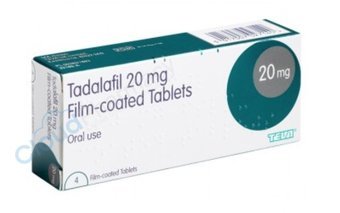
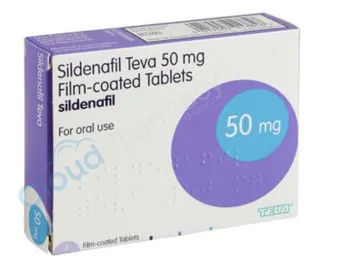
Sometimes, using ED medication like Sildenafil or Tadalafil can help break the psychological cycle. By having a "successful" experience with the help of a pill, your brain learns that it can still happen. This builds confidence, which in turn lowers anxiety, eventually allowing many men to stop the medication once their confidence is restored.
When to Seek Professional Help
In the UK, you can speak to your GP or a specialist sexual health clinic (Integrated Sexual Health Services). Don't be embarrassed - they hear this every single day.
You should seek help if:
- Your ED is causing significant distress in your relationship.
- You are experiencing other symptoms of clinical anxiety or depression.
- The "morning erections" have stopped (indicating a possible physical cause).
Your brain and your body are on the same team. When life gets stressful, your body prioritises survival over sex.
By acknowledging the stress, lowering the stakes, and perhaps using medication as a temporary "confidence bridge," you can quiet the mental noise and get back to enjoying a healthy sex life.