






The global healthcare landscape has shifted dramatically over the last few years.
While the initial focus of recovering COVID-19 was on respiratory health and "Long COVID" symptoms like fatigue and brain fog, a quieter, more personal complication has emerged in clinics across the UK.
A significant number of men are reporting a new or worsening struggle with Erectile Dysfunction (ED) following a bout of illness.
What was once dismissed as simple post-viral fatigue is now being recognised by researchers as a complex physiological and psychological aftermath.
For many, the frustration of "not feeling like themselves" in the bedroom is the final, lingering hurdle of recovery.
The "Long COVID" Connection: Why It Affects Erections
Research, including studies published in The World Journal of Men's Health, suggests that men who have had COVID-19 are nearly three times more likely to develop ED.
To understand why, we have to look at how these viruses attack the body’s internal infrastructure.
Endothelial Dysfunction (Vascular Health)
COVID-19 is not just a respiratory disease; it is a vascular one.
The virus enters cells using the ACE2 receptor, which is found in high concentrations in the lining of blood vessels (the endothelium) throughout the body - including the penis.
When the endothelium is inflamed or damaged by an immune response, it cannot produce enough nitric oxide.
As we know, nitric oxide is the "chemical messenger" that tells penile blood vessels to relax and fill with blood.
If the "plumbing" is damaged by the virus, the physical mechanism of an erection is compromised.
The Impact on Oxygen Saturation
Severe respiratory illnesses can lead to periods of low blood oxygen (hypoxia).
The tissues of the penis are highly sensitive to oxygen levels. Prolonged periods of poor oxygenation during the peak of an illness can lead to "fibrosis".
This is scarring of the delicate smooth muscle tissue within the penis - making it less elastic and less able to expand when aroused.
Testicular Health and Hormones
There is evidence that the virus can affect the Leydig cells in the testes, which are responsible for producing testosterone.
Men recovering from moderate to severe illness often show significantly lower testosterone levels than their pre-illness baseline.
This leads to a "double-whammy": a lower drive for sex (libido) and a diminished physical ability to perform.
The Psychological Toll: The "Hidden" Side of Recovery
Illness doesn't just affect the body; it exhausts the mind. The psychological impact of a long recovery is a major contributor to post-viral ED.
- Performance Anxiety: After experiencing a "failure" to achieve an erection once or twice while feeling unwell, many men develop an internalised fear of it happening again. This triggers the sympathetic nervous system (the "stress" response), which physically constricts blood vessels - the exact opposite of what is needed for an erection.
- The "Brain Fog" Factor: The cognitive exhaustion associated with Long COVID can make it difficult to focus on intimacy. If the brain is struggling to process basic daily tasks, it often de-prioritises sexual arousal.
- Depression and Isolation: Long-term illness often leads to a sedentary lifestyle and social withdrawal, both of which are high-risk factors for depression, a leading psychological cause of ED.
Moving Forward: Can ED Medication Help?
The good news is that for most men, post-viral ED is treatable and often temporary as the body heals.
The Role of PDE5 Inhibitors
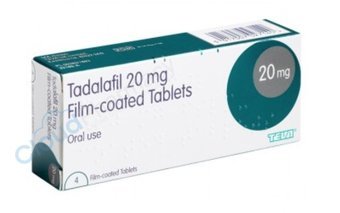
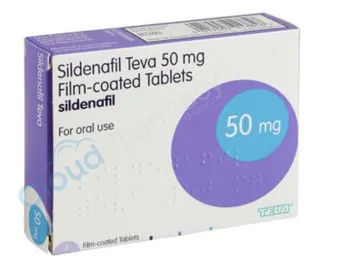
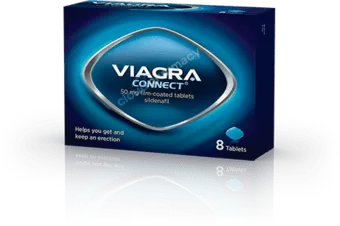
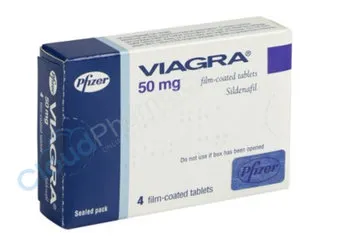
Medications such as Sildenafil(Viagra) and Tadalafil(Cialis) are frequently prescribed to men recovering from illness.
They work by boosting the effects of the remaining nitric oxide in the system, helping to overcome the temporary vascular damage caused by the virus.
A "Rehabilitation" Approach
Some specialists suggest that using a low-dose daily medication (like Tadalafil 5mg) acts as a form of "penile rehabilitation."
By ensuring regular blood flow to the tissues during the recovery phase, men can prevent the long-term tissue scarring (fibrosis) that might otherwise occur after a period of prolonged inactivity and low oxygen.
Essential Lifestyle Changes for Post-Viral Recovery
Recovery isn't just about a pill; it’s about rebuilding the body’s foundation. If you are reporting ED after an illness, these UK-centric lifestyle adjustments are vital:
Graduated Exercise (Pacing)
While it’s tempting to rush back to the gym to "sweat it out," men with Long COVID must be careful of Post-Exertional Malaise (PEM).
Start with gentle walks or light resistance training. Improving your cardiovascular fitness will naturally repair the endothelium and improve blood flow, but it must be done sustainably.
Diet and Anti-Inflammatory Nutrition
Focus on a diet that supports vascular health. In the UK, this means moving away from ultra-processed "comfort foods" consumed during illness and toward:
- Leafy Greens: High in natural nitrates (spinach, rocket).
- Flavonoids: Found in berries and dark chocolate, which help repair blood vessel linings.
- Omega-3s: Found in oily fish like mackerel or sardines, which reduce systemic inflammation.
Rest and Sleep Hygiene
Sleep is when the body produces the vast majority of its testosterone.
If your sleep cycle was disrupted during your illness, prioritising 7 to 9 hours of quality rest is non-negotiable for recovering your sexual function.
Smoking and Alcohol
Illness leaves your vascular system vulnerable.
Smoking further damages the blood vessels, while alcohol acts as a depressant on the central nervous system.
Cutting back on both gives your body the best chance to heal the damage caused by the virus.
Realistically: What Should You Expect?
Recovery from post-viral ED is rarely overnight.
Most men report a gradual "return to normal" over three to six months as their general energy levels and cardiovascular health improve.
It is important to manage expectations. You may find that medication is a necessary "crutch" for a few months while your body repairs itself.
This is perfectly normal and does not mean you will need it forever.
Don't Suffer in Silence
If you have noticed a change in your sexual health following COVID-19 or any major illness, you are far from alone.
The link between viral infection and vascular health is a legitimate medical concern, not "all in your head."
By addressing the issue early - through a combination of medical consultation, hormone checks, and dedicated lifestyle changes - you can navigate the recovery process and return to your baseline health.
UK Health Note: If your ED is accompanied by chest pain, extreme shortness of breath, or heart palpitations, consult your GP immediately. ED can be an early indicator that your heart and lungs need a more thorough check-up post-COVID.