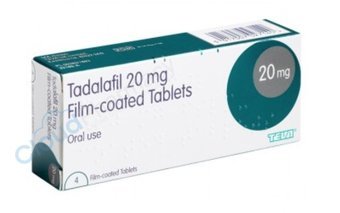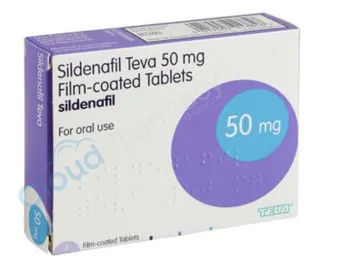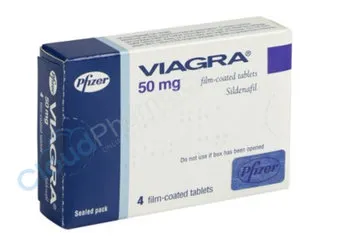






This guide explains what the Yellow Card scheme is, how to report a suspected side effect from an ED medicine, what happens to your report, and when to seek urgent medical help instead. It draws on MHRA and NHS guidance and the medicine information, and is general information rather than personal advice.
What the Yellow Card scheme is
The Yellow Card scheme is run by the MHRA, the UK medicines regulator, to collect reports of suspected side effects (adverse reactions) to medicines and other products 1. It has operated for decades.
Its purpose is to help monitor the safety of medicines once they are in widespread use 1. By gathering reports from across the country, it can identify patterns that may not have been seen in trials.
It covers all medicines, including erectile dysfunction medicines such as sildenafil and tadalafil, as well as vaccines, devices and other products 1. Reporting is open to everyone.
Why reporting matters
Every report adds to the picture of how a medicine behaves in real-world use1. Side effects that are rare, or that only appear in certain people, can be picked up when many reports are combined.
This monitoring helps the MHRA take action if needed, such as updating safety information or advice 1. In that sense, a single report contributes to the safety of everyone who uses the medicine.
You do not need to be certain the medicine caused the problem to report it; the scheme is for suspected side effects 1. If in doubt, reporting is encouraged.
What you can report
You can report any suspected side effect from an ED medicine, whether mild or serious 1. Common examples with PDE5 inhibitors include headache, flushing, indigestion, nasal congestion and back or muscle pain 2.
More serious suspected reactions are particularly valuable to report 1. For ED medicines these can include an erection lasting more than four hours, or sudden changes in vision or hearing 2.
You can also report problems with a product you suspect may be a fake, which links to wider medicine-safety concerns 1. The scheme is broad in what it accepts.
Considering treatment for erectile dysfunction? You can start an assessment with a Cloud Pharmacy clinician, who will review your medical history and confirm whether treatment is appropriate.
How to make a report
The simplest way is to report online through the MHRA Yellow Card website or app, which guides you through the questions 1. Reports can also be made via a healthcare professional such as a pharmacist or doctor.
You will be asked about the medicine, the side effect, and some details about you, such as relevant health information 1. You do not need to know technical terms; describing what happened in your own words is fine.
Anyone can report: patients, carers and professionals alike 1. If you are unsure whether something is worth reporting, a pharmacist can help you decide and can submit a report too.
What happens to your report
Reports are received and reviewed by the MHRA, which combines them with others to look for safety signals 1. Your individual report becomes part of a much larger dataset.
If a pattern emerges, the regulator can investigate and, where needed, update guidance, warnings or product information 1. This is how real-world reporting feeds back into safer use.
Reporting is about safety monitoring, not a route to personal medical advice 13. If you need advice about your own symptoms or treatment, that comes from a clinician, not from the report itself.
When to seek urgent help instead
Reporting a side effect is not a substitute for medical care when you need it 13. If you have serious symptoms, get medical help first and report afterwards.
For ED medicines specifically, seek emergency care for an erection lasting more than four hours (priapism), or for sudden loss of vision or hearing2. These are rare but need urgent attention.
Likewise, symptoms of a severe drop in blood pressure, such as fainting or chest pain, especially relevant given the nitrates rule, are emergencies 2. Yellow Card reporting comes after you are safe, not instead of urgent care.
Reporting and your ongoing treatment
If you have a side effect from an ED medicine, it is also worth telling the clinician who prescribed it, as well as reporting via Yellow Card 3. They can review whether to adjust the dose, switch the medicine, or investigate.
Often a troublesome side effect can be managed by a change a prescriber suggests, so it need not mean giving up on treatment 3. The report and the clinical conversation serve different purposes and complement each other.
This is part of using ED medicines safely: report for the wider good, and seek advice for your own care 13. Both matter.
Getting safe, supported treatment
Using a registered pharmacy and a proper assessment in the first place makes side effects easier to manage, because there is a clinician to turn to 3. It also means a genuine product, unlike an unverified online purchase.
If you have had a side effect, or have questions about your ED treatment, you can speak to a clinician about it as well as reporting via Yellow Card 3. The two go together.
You can start or review treatment with a Cloud Pharmacy clinician, who can advise on side effects and the right approach for you, while the Yellow Card scheme remains available for reporting 13.
What information helps a report
A report is more useful when it includes a few basic details, though you should never let missing information stop you reporting 1. Helpful details include the name of the medicine and, if you know it, the dose and how long you had been taking it.
Describing the side effect itself, what happened, when it started, and how it affected you, in your own words, is valuable 1. You do not need medical terminology.
Some background about you, such as other relevant health conditions or medicines, also helps the MHRA make sense of the report 1. The online form prompts you for what is needed.
If you are unsure about any of this, a pharmacist can help you put a report together, or submit one on your behalf 1. The aim is to capture useful information, not to create a barrier.
Reporting suspected fakes too
The Yellow Card scheme is not only for side effects from genuine medicines 1. You can also use related MHRA reporting routes to flag a product you suspect is fake or defective, which links to the wider #FakeMeds effort.
This matters for ED medicines in particular, because counterfeits are common online and an unexpected reaction can sometimes be the first sign that a product was not genuine 1. Reporting helps the regulator act.
If you think a side effect came from a product you bought outside a registered pharmacy, mention that, as it is useful safety information 1. It can help protect others from the same source.
Either way, using legitimate channels, a registered pharmacy for treatment and the official reporting routes for problems, supports everyone's safety 13. It is part of how the system stays trustworthy.
A quick recap
To sum up: the Yellow Card scheme lets anyone report a suspected side effect of an ED medicine to the MHRA, online or via a pharmacist or doctor, and you do not need to be certain the medicine caused it 1. Every report helps monitor safety.
Reporting is not a substitute for care: for serious symptoms such as an erection over four hours, sudden vision or hearing loss, or signs of a severe blood-pressure drop, seek emergency help first21. Report afterwards.
It is also worth telling the clinician who prescribed the medicine, who can adjust or switch your treatment, since the report and the clinical conversation serve different purposes 3. Both are worthwhile.
Frequently asked questions
What is the Yellow Card scheme?
The MHRA's system for reporting suspected side effects of medicines, including ED medicines, to help monitor their safety in real-world use 1. It has operated for decades and is open to everyone.Who can report a side effect?
Anyone; patients, carers and healthcare professionals; can report, online via the MHRA Yellow Card website or app, or through a pharmacist or doctor 1. You do not need to be certain the medicine caused it.What can I report for an ED medicine?
Any suspected side effect, mild or serious; such as headache, flushing or back pain, or more serious reactions 12. You can also report a product you suspect may be a fake 1.What happens to my report?
The MHRA reviews it alongside others to look for safety signals, and can update guidance or product information if a pattern emerges 1. It is for safety monitoring, not personal medical advice 3.Should I report instead of seeing a doctor?
No. Reporting does not replace medical care. For serious symptoms such as an erection over four hours or sudden vision or hearing loss, seek emergency help first, then report 21.Should I also tell my prescriber?
Yes. Tell the clinician who prescribed the medicine as well as reporting via Yellow Card, as they can adjust the dose, switch the medicine or investigate 3. The two complement each other.Your next step
The Yellow Card scheme is the MHRA's long-running system for reporting suspected side effects of medicines, including ED medicines such as sildenafil and tadalafil. Anyone can report, online or through a pharmacist or doctor, and you do not need to be certain the medicine was responsible, because the scheme is for suspected reactions and every report helps monitor safety in real-world use.
Reporting is valuable, but it is not a substitute for medical care. For serious symptoms, particularly an erection lasting more than four hours, sudden loss of vision or hearing, or signs of a severe drop in blood pressure, seek emergency help first and report afterwards. It is also worth telling the clinician who prescribed the medicine, who can adjust or change your treatment.
Using a registered pharmacy and a proper assessment makes side effects easier to manage, because there is a clinician to turn to and the product is genuine. You can start or review treatment with a Cloud Pharmacy clinician, who can advise on side effects and the right approach, while the Yellow Card scheme remains available for reporting.
Reporting through Yellow Card is a small act that contributes to a bigger picture: the more real-world experiences the regulator gathers, the safer medicines become for everyone. So if you notice a side effect, however minor it seems, it is worth a few minutes to report it once you have dealt with any immediate medical need.
And the everyday takeaway is simple: get your ED treatment from a registered pharmacy after a proper assessment, tell your prescriber about any side effects, use Yellow Card to report suspected reactions, and always treat red-flag symptoms as the emergencies they are. Those habits keep treatment both effective and safe.
None of this should make anyone anxious about taking ED medicines, which are well established and safe for most men when used correctly. The Yellow Card scheme is simply part of the system that keeps them that way, giving you a straightforward voice in medicine safety should you ever need it, and a way to help protect others at the same time. Knowing it is there, and how to use it, is simply part of being a well-informed patient who can use their treatment with confidence rather than worry, knowing there is a clear and trusted channel available if anything ever does go wrong.
Disclaimer
This guide is for general information only and does not constitute medical advice, diagnosis or treatment. The information here describes general clinical context based on UK regulatory sources cited above; it is not a recommendation for any specific medicine or treatment, which can only be made by a prescriber following individual assessment.
If you are considering treatment, speak to your GP or pharmacist, or arrange a consultation with a Cloud Pharmacy clinician. Prescription-only medicines are issued only after clinical assessment and where appropriate.
If you experience side effects from any medicine, you can report them through the Yellow Card scheme at yellowcard.mhra.gov.uk.
References
- MHRA Yellow Card scheme (report suspected side effects/adverse reactions to medicines incl. ED medicines; open to patients, carers and professionals; report online via website/app or via a pharmacist/doctor; for suspected reactions; certainty not required; reports combined to monitor safety/identify signals; can also report suspected fake/defective products; safety monitoring, not personal medical advice)
- PDE5 inhibitor SmPC 4.8 (common side effects; headache, flushing, indigestion, nasal congestion, back/muscle pain; serious; priapism >4h, sudden vision/hearing loss need urgent care; report suspected reactions via Yellow Card)
- NICE CKS erectile dysfunction (review side effects with prescriber; adjust dose/switch; assessment; registered-pharmacy supply; urgent care for red-flag symptoms)