






Since the landmark approval of sildenafil in 1998, Phosphodiesterase type 5 (PDE5) inhibitors have moved from "novelty" medications to some of the most widely prescribed drugs in the world.
For many men in the UK, what began as a short-term solution for a bout of erectile dysfunction (ED) has transitioned into a long-term part of their health regimen spanning decades.
Naturally, this raises important questions for patients and clinicians alike: Is it safe to take these pills for twenty years?
Does the body build up a "tolerance" that renders the drugs ineffective over time?
What does the long-term data suggest about the impact of these medications on the heart and general longevity?
This guide, provided by Cloud Pharmacy, examines the clinical evidence surrounding the long-term use of ED medication, addressing safety, efficacy, and the "tolerance" myth.
The Safety Profile Over Decades
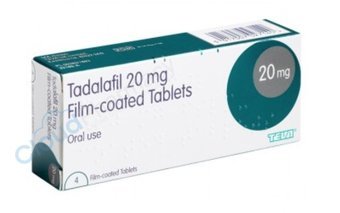
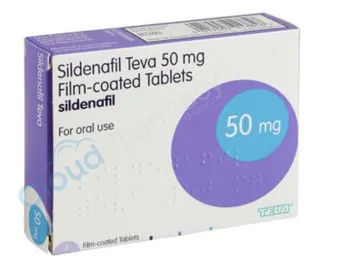
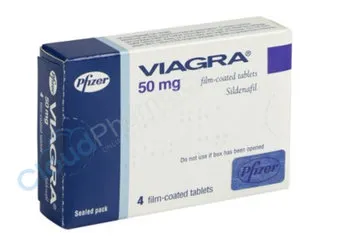
One of the most reassuring aspects of PDE5 inhibitors - including sildenafil (Viagra), tadalafil (Cialis), and vardenafil (Levitra) - is that they are among the most extensively studied classes of drugs in modern medicine.
Cardiovascular Safety
Initially, there were concerns that ED drugs might put undue strain on the heart.
However, long-term longitudinal studies have largely flipped this narrative. Because these drugs promote vasodilation (the widening of blood vessels), they actually reduce the workload on the heart by lowering peripheral vascular resistance.
In fact, recent studies involving thousands of men over a 10-year period suggest that long-term users of PDE5 inhibitors may have a lower risk of major adverse cardiovascular events (MACE) compared to non-users.
This is likely because the drugs improve "endothelial function" - the health of the lining of the blood vessels.
Potential Side Effects and Adaptation
For most men, the minor side effects experienced in the first few weeks - such as facial flushing, nasal congestion, or mild headaches - tend to diminish over time.
The body’s regulatory systems often adapt to the medication, meaning long-term users typically report fewer bothersome side effects than "first-timers."
The Question of Tolerance: Do They Stop Working?
A common fear among men is that they will develop a pharmacological tolerance, meaning the body will require higher and higher doses until the drug eventually fails.
What the Evidence Says
Clinical evidence overwhelmingly shows that true pharmacological tolerance to PDE5 inhibitors does not exist.
If a man finds that a 50mg dose of sildenafil worked for five years but is now failing, the cause is almost never "tolerance" to the drug itself.
Instead, it is usually due to the progression of an underlying condition.
ED is often a symptom of vascular disease or diabetes.
If those conditions worsen over five years - perhaps due to aging, smoking, or poorly managed blood sugar - the "plumbing" of the penis may simply require a higher level of assistance.
Tadalafil: The "Daily" Advantage
The rise of low-dose daily tadalafil (5mg) has provided a unique perspective on long-term use.
Unlike the "on-demand" approach, daily use maintains a steady level of the medication in the bloodstream.
Studies show that this continuous presence may actually help "rehabilitate" the blood vessels over time, maintaining better spontaneous erectile function than intermittent use.
Long-Term Benefits Beyond the Bedroom
Interestingly, long-term use of ED medication has shown "spillover" benefits for other areas of male health, leading some researchers to investigate these drugs for non-sexual applications.
Prostate Health and LUTS
Many men over 50 suffer from Lower Urinary Tract Symptoms (LUTS) due to an enlarged prostate (BPH).
Long-term use of tadalafil is now a licensed treatment for BPH in the UK.
It relaxes the smooth muscle in the prostate and bladder neck, making it easier to pass urine.
For many men, the "side effect" of better urinary flow is as valuable as the primary effect on erections.
Pulmonary and Raynaud’s Support
Because PDE5 inhibitors are potent vasodilators, they are used long-term to treat Pulmonary Arterial Hypertension (under the brand name Revatio).
They are also prescribed off-label for Raynaud’s Phenomenon to prevent painful spasms in the fingers and toes during cold weather.
Cognitive Health
Emerging research from 2024 and 2025 has suggested a potential link between long-term PDE5 inhibitor use and a reduced risk of Alzheimer’s disease.
While more clinical trials are needed to confirm a causal link, the theory is that increased cerebral blood flow may help protect brain tissue from degeneration.
Risks and Considerations for Chronic Use
While safe for most, long-term use requires ongoing medical supervision.
In the UK, a "repeat prescription" for ED medication should not be an automatic process; it requires periodic health reviews.
The Vision and Hearing Myth vs. Reality
There have been rare reports of sudden vision or hearing loss (NAION).
While these are exceptionally rare, men on long-term therapy should have regular eye check-ups, especially if they have pre-existing optic nerve issues or "crowded" optic discs.
Interaction with Nitrates
The most critical safety warning remains unchanged regardless of how long you have used the drug: Nitrates are a hard contraindication.
If a man develops heart disease (angina) ten years into his ED treatment and is prescribed GTN spray, he must immediately stop using PDE5 inhibitors.
The combination can cause a fatal drop in blood pressure.
Summary Table: Long-Term Evidence Overview
Feature | Finding | Clinical Significance |
Tolerance | Not observed. | If it stops working, check for worsening diabetes or heart disease. |
Heart Health | Often protective. | Improves endothelial function and reduces "stiffness" in arteries. |
BPH / Prostate | Positive effect. | Daily tadalafil treats both ED and urinary flow issues. |
Side Effects | Often decreases over time. | The "flush" and "headache" usually become less intense. |
Dependency | No physical addiction. | However, "psychological" dependency can occur if confidence is low. |
The Psychological Component of Long-Term Use
For many men, the long-term use of ED medication creates a "psychological safety net."
While the drug is physically non-addictive, the fear of "failing" without the pill can become a mental hurdle.
Breaking the Cycle
If the underlying cause of your ED was lifestyle-based (e.g., obesity or smoking) and you have since corrected those habits, you may no longer physically need the medication.
However, many men continue to take it out of habit or fear.
In the UK, psychosexual therapy can be an excellent accompaniment for men who want to "wean" themselves off medication after successfully addressing the physical root causes.
How to Manage a Long-Term ED Prescription Safely
To ensure your treatment remains effective and safe over the years, follow these best practices:
- Annual Health Review: Every 12 months, check your blood pressure and HbA1c (blood sugar). If your ED medication starts feeling less effective, these numbers will tell you why.
- Monitor Your Vision: If you notice any sudden changes in sight, stop the medication and see an optician or GP immediately.
- Check Your Meds: If you are prescribed new medication for blood pressure or prostate issues, double-check with your pharmacist at Cloud Pharmacy for potential interactions.
- Consider "Daily" vs. "On-Demand": As you age, you may find that switching from a high-dose "on-demand" pill to a low-dose "daily" pill provides a more natural experience and better vascular health.
A Sustainable Long-Term Solution
The evidence from the last quarter-century is clear: for the vast majority of healthy men, the long-term use of ED medication is safe, effective, and potentially beneficial for overall cardiovascular health.
There is no "expiration date" on the effectiveness of these drugs, provided you manage the underlying health conditions that cause ED in the first place.
By viewing ED medication as one part of a broader health strategy - alongside a good diet, regular exercise, and consistent medical check-ups - you can maintain sexual function and confidence well into your later decades.