





This guide explains why ED is common after prostate surgery, how and over what time recovery can happen, what nerve-sparing surgery means, and the treatment options to discuss with your team. It draws on the NHS and NICE and the relevant medicine information, and is general information rather than personal advice. If you have had or are facing prostate surgery, your own surgical and oncology team should guide your care.
Why surgery affects erections
The prostate sits surrounded by the nerves and blood vessels that control erections 3. Because they run so close to the gland, surgery to remove the prostate, a radical prostatectomy, can disturb or damage them.
When those nerves are affected, the signals that normally produce an erection are interrupted, which is why ED is such a common outcome 32. It is a recognised consequence of the surgery rather than anything unusual.
The same area can be affected by other prostate cancer treatments, such as radiotherapy or hormone therapy, each in its own way 3. This guide focuses on surgery, but your team can explain how any treatment you have had may be relevant.
How common it is
ED is a frequent side effect of radical prostatectomy, and many men experience at least some difficulty afterwards 3. The degree varies a great deal from man to man.
How much function is affected depends on factors such as your erections before surgery, your age, and whether nerve-sparing surgery was possible 3. Younger men with good function beforehand often have a better outlook.
Knowing that it is common can be reassuring in itself: it is an expected part of recovery for many men, not a personal failing, and it is something teams are used to helping with 23.
Recovery takes time
An important point is that erectile function after surgery often recovers gradually, sometimes over many months and up to a couple of years 3. Early difficulty does not necessarily reflect the final outcome.
This is because nerves that have been stretched or bruised during surgery, rather than cut, can recover slowly over time 3. Patience and a plan are both part of the picture.
Because recovery is gradual, it is worth discussing ED with your team early rather than waiting, as there are things that can help during recovery 23. Raising it sooner opens up more options.
Considering treatment for erectile dysfunction? You can start an assessment with a Cloud Pharmacy clinician, who will review your medical history and confirm whether treatment is appropriate.
Nerve-sparing surgery
Where it is safe to do so, surgeons may use a nerve-sparing technique that aims to preserve the nerves involved in erections 3. Whether this is possible depends on the cancer and its position.
When nerves are spared, the chances of erectile function recovering are generally better, though it is not guaranteed and recovery still takes time 3. The priority in surgery is always treating the cancer safely.
If you are facing surgery, nerve-sparing is a worthwhile thing to discuss with your surgeon beforehand, so you understand what is planned and what to expect 3. Your team can explain what is appropriate in your case.
Treatment options to discuss
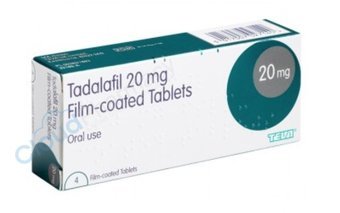
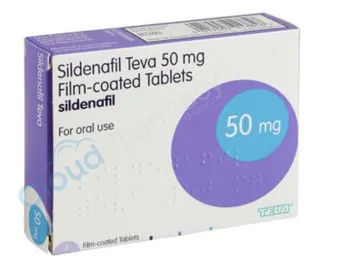
Several treatments can help with ED after prostate surgery, and the right ones depend on your situation 13. PDE5 inhibitor tablets such as sildenafil and tadalafil are often a first option, working best where some nerve function remains.
Other approaches your team may discuss include vacuum erection devices, injections or pellets that act directly, and other specialist options 3. Some men use a combination, guided by their team.
Some teams also discuss penile rehabilitation, using treatments during recovery to help maintain tissue health, though approaches vary and this is a decision for your specialists 3. The key is that there are options, and a plan can be tailored to you.
Where PDE5 inhibitor tablets fit
PDE5 inhibitor tablets work by improving blood flow to the penis in response to arousal, so they rely on the nerve signals being at least partly intact 1. That is why their success after surgery is linked to whether nerves were spared and to recovery over time.
They carry the usual safety rules, including the absolute contraindication with nitrates and caution with alpha-blockers, which matters because some men have other conditions too 1. A prescriber checks these before treatment.
If tablets are not effective, especially early after surgery, that does not mean nothing will help; it may simply mean a different option, or more recovery time, is needed 3. Your team can guide the next step.
The emotional side
ED after prostate surgery can affect confidence and relationships, and that emotional side is a real and normal part of recovery 2. It is worth acknowledging rather than ignoring.
Talking openly with your partner and your team, and knowing that recovery often improves over time, can ease some of the pressure 23. Support is available, and you do not have to manage it alone.
If low mood or anxiety becomes persistent, mention it to your team, as support for wellbeing is part of good cancer aftercare 2. Looking after how you feel matters alongside the physical recovery.
Getting the right support
The most important step is to stay in contact with your surgical and oncology team, who know your surgery and your cancer treatment and can coordinate the right approach to ED 3. They are best placed to guide your plan.
Where PDE5 inhibitor tablets are appropriate, they should be prescribed after an assessment that checks your other medicines and conditions, and supplied from a registered pharmacy13. Avoid buying ED tablets from unverified sellers.
If you would like to discuss tablet options as part of your recovery, you can start an assessment with a Cloud Pharmacy clinician, while keeping your specialist team informed so your care stays joined up 13.
Other prostate treatments and ED
Surgery is not the only prostate treatment that can affect erections 43. Radiotherapy can affect erectile function gradually over time, and hormone therapy for prostate cancer can reduce sexual desire as well as function.
Each treatment affects things in its own way and over its own timescale, which is why the experience differs from man to man depending on what they have had 43. Your own team can explain what is relevant to your treatment.
This guide focuses on surgery, but if you have had radiotherapy or hormone therapy, the same principle applies: ED is common, it is taken seriously, and there are options to discuss 34. You are not expected to simply accept it.
Whatever treatment you have had, the constant is that your specialist team is best placed to coordinate help with ED alongside your cancer care 3. Keeping them informed keeps everything joined up.
Talking to your partner and team
Recovery is easier when ED is talked about openly rather than treated as a taboo 2. Sharing what you are experiencing with a partner can ease pressure and help you face it together rather than alone.
It also helps to be specific with your team: telling them exactly what has changed, what matters most to you, and how it is affecting you lets them tailor the right support 23. They have these conversations regularly and will not be surprised.
Many cancer services have specialist nurses or counsellors who can help with the sexual and emotional side of recovery, and asking about this support is entirely reasonable 2. It is a recognised part of aftercare.
The earlier these conversations happen, the more options tend to be open, so it is worth raising ED sooner rather than waiting to see if it resolves 23. Speaking up is a constructive first step.
What to expect from a recovery plan
A good way to think about recovery is as a plan over time rather than a single fix 3. Early on, the focus is often on supporting tissue health and starting any agreed treatment, while function may still be limited.
Over the following months, your team reviews how things are progressing and adjusts the approach, since recovery can continue for up to a couple of years 3. What works at six weeks may differ from what suits at six months.
It helps to set realistic expectations: progress is often gradual and may not return things exactly to how they were, but meaningful improvement and effective treatment are common 32. Patience is part of the process.
Throughout, staying in touch with your team and reporting how treatments are working lets them keep refining the plan 3. Recovery is a partnership, and your feedback shapes it.
Frequently asked questions
Is ED common after prostate surgery?
Yes. ED is a frequent side effect of radical prostatectomy, because the nerves and blood vessels that control erections lie close to the prostate 3. The degree varies from man to man.Will it get better?
Often it improves gradually, sometimes over many months and up to a couple of years, especially where nerves were spared 3. Early difficulty does not necessarily reflect the final outcome.What is nerve-sparing surgery?
A technique that aims to preserve the nerves involved in erections, where it is safe to do so 3. It generally improves the chances of recovery, though it is not guaranteed and the priority is treating the cancer.What treatments can help?
PDE5 inhibitor tablets such as sildenafil and tadalafil are often a first option, alongside vacuum devices, injections or pellets, and sometimes penile rehabilitation, guided by your team 13.Do tablets always work after surgery?
Not always, because they rely on some nerve function being present, which is why success is linked to nerve-sparing and recovery time 1. If they do not work, a different option or more time may be needed 3.Who should guide my treatment?
Your surgical and oncology team, who know your surgery and cancer treatment 3. Where tablets are appropriate, they should be prescribed after an assessment and supplied from a registered pharmacy 1.Your next step
Erectile dysfunction is a common and recognised result of prostate surgery, especially radical prostatectomy, because the nerves controlling erections run so close to the prostate. The encouraging part is that function often recovers gradually, sometimes over many months and up to a couple of years, and nerve-sparing surgery, where it is possible, improves the outlook.
Several treatments can help, including PDE5 inhibitor tablets such as sildenafil and tadalafil, as well as vacuum devices, injections or pellets, and sometimes penile rehabilitation. Tablets rely on some nerve function being present, so their success is linked to nerve-sparing and recovery time, and they carry the usual safety rules, including the absolute nitrates contraindication.
The most important step is to stay in contact with your surgical and oncology team, who can coordinate the right approach, and to raise ED early rather than waiting. If you would like to discuss tablet options as part of your recovery, you can start an assessment with a Cloud Pharmacy clinician while keeping your specialist team informed.
Above all, ED after prostate surgery is common, expected by the clinicians who treat it, and something there is real help for, so it is worth raising openly rather than enduring quietly. Recovery is often a gradual partnership between you, your partner and your team, and there is usually more that can be done than men first assume.
If you have had radiotherapy or hormone therapy rather than surgery, the same encouragement applies: the effects differ, but ED remains common, taken seriously, and treatable, and your specialist team can help you find the approach that fits your treatment and your recovery. The important thing is to keep the conversation going and to know that support is there whenever you are ready to use it.
Disclaimer
This guide is for general information only and does not constitute medical advice, diagnosis or treatment. The information here describes general clinical context based on UK regulatory sources cited above; it is not a recommendation for any specific medicine or treatment, which can only be made by a prescriber following individual assessment.
If you are considering treatment, speak to your GP or pharmacist, or arrange a consultation with a Cloud Pharmacy clinician. Prescription-only medicines are issued only after clinical assessment and where appropriate.
If you experience side effects from any medicine, you can report them through the Yellow Card scheme at yellowcard.mhra.gov.uk.
References
- Cialis/PDE5 inhibitor SmPC 4.1/4.4/4.5 (PDE5 inhibitors improve blood flow with arousal; rely on nerve signalling; nitrates absolute contraindication; alpha-blocker caution; priapism/vision/hearing red flags)
- Erectile dysfunction (causes incl. surgery/nerve damage; treatment options; emotional impact; discuss early; assessment)
- NICE CKS erectile dysfunction (post-surgical/organic ED; recovery over time; treatment options incl. PDE5 inhibitors, vacuum devices, intracavernosal/intraurethral options; specialist/secondary-care involvement for post-prostatectomy)
- Prostate cancer treatment (radical prostatectomy; ED a common side effect; nerve-sparing surgery; recovery may take time; specialist team support)