




Skin Care


67 Skin Care treatments found
Overview
Pharmacy Skin Care and Dermatology Treatments
Skin conditions affect millions of people in the UK and can range from everyday dryness and sensitivity to more persistent conditions such as eczema, fungal infections, acne and scarring. While many skin concerns respond well to over-the-counter treatments, it is important to choose the right product for your specific condition and skin type.
Cloud Pharmacy stocks over 260 skin care products, including emollient creams and moisturisers for dry and sensitive skin, medicated treatments for eczema and dermatitis, antifungal creams, acne treatments, scar and stretchmark products, and skin cleansers. All products are dispensed by our GPhC-registered pharmacy team and delivered to your door.
Who Are These Treatments For?
These products may be appropriate if you are experiencing:
- Dry, rough or cracked skin that requires daily moisturising
- Eczema, dermatitis or psoriasis requiring emollient or medicated treatment
- A fungal skin infection, such as athlete's foot, ringworm or fungal nappy rash
- Mild to moderate acne or blemish-prone skin
- Scars, stretchmarks or uneven skin tone
- A need for gentle skin cleansing suitable for sensitive or reactive skin
Important Safety Information
- Products containing hydrocortisone should not be used for more than seven days without medical advice, and should not be applied to the face unless directed by a doctor
- Acnecide (benzoyl peroxide) can cause skin dryness, peeling and sensitivity to sunlight - start with a lower frequency of use and build up gradually
- Antifungal creams should be used for the full recommended course, even if symptoms improve, to prevent the infection from returning
- Emollient creams and ointments can make skin and surfaces slippery - take care in the bath or shower
- Some emollients are flammable when absorbed into fabric - avoid naked flames and do not smoke while wearing clothing or dressings treated with paraffin-based emollients
- If a skin condition worsens, spreads, or shows signs of infection (increased redness, warmth, swelling, pus), seek medical advice
Available Treatment Types
Creams and Moisturisers
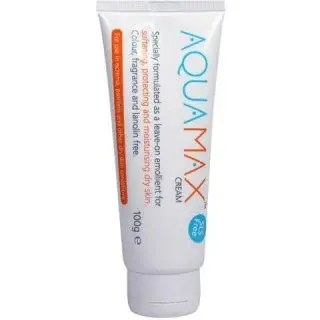
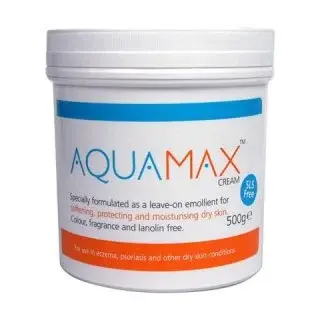
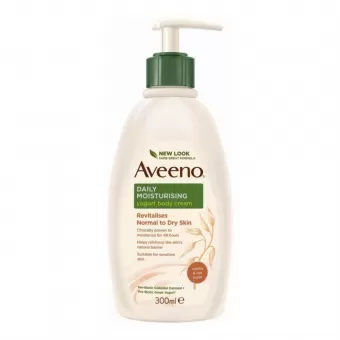
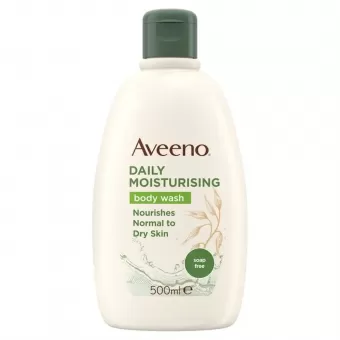
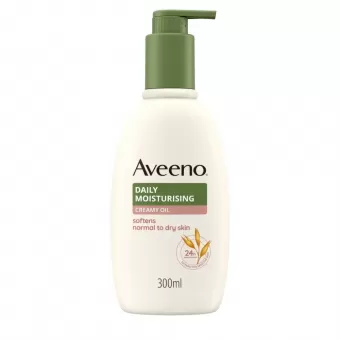
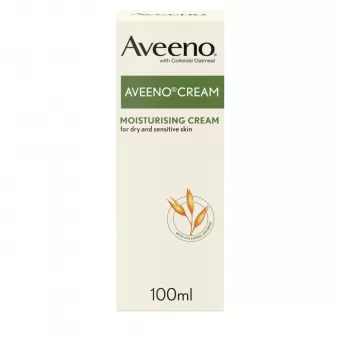
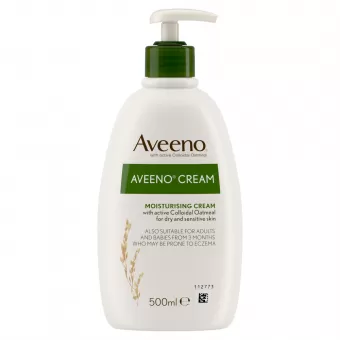
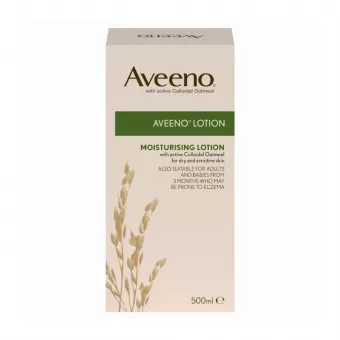
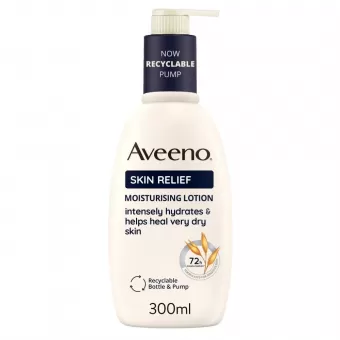
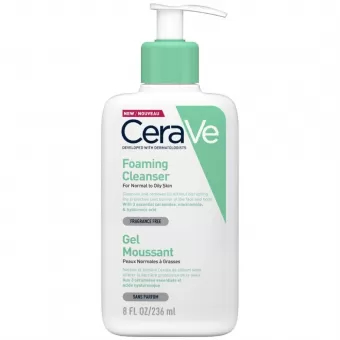
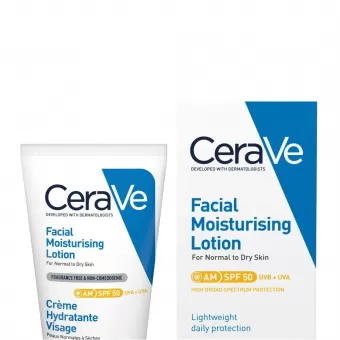
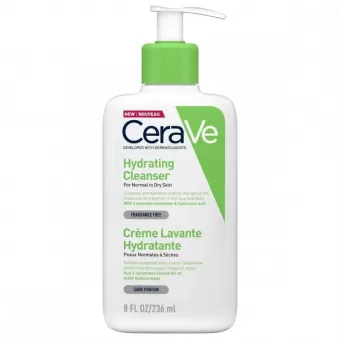
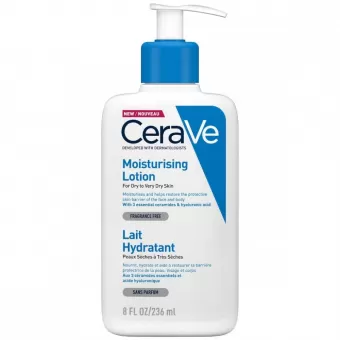
Emollient creams and lotions are essential for managing dry skin conditions, including eczema and dermatitis. They work by forming a protective barrier on the skin to lock in moisture and prevent further drying. Brands such as Aveeno, Aquamax, CeraVe and E45 offer a range of formulations for different skin types and severity levels. CeraVe products contain ceramides to help restore the skin barrier, while Aveeno uses colloidal oatmeal to soothe and hydrate.
Eczema Treatments
For eczema and dermatitis that do not respond to moisturising alone, medicated treatments may be required. Mild topical corticosteroid creams (such as hydrocortisone) can reduce inflammation and itching during flare-ups. These should be used sparingly and for short periods only. For ongoing management, regular use of emollients is the cornerstone of eczema care.
Fungal Infection Treatments
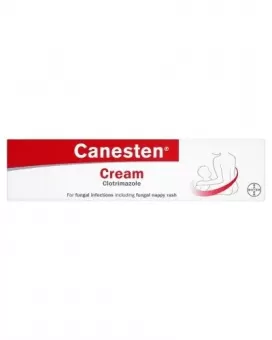
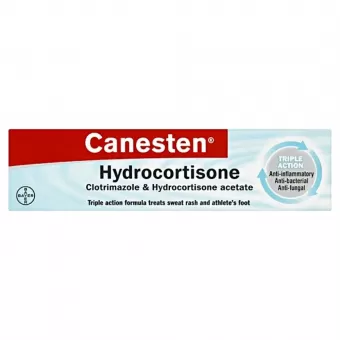
Antifungal creams containing clotrimazole (Canesten) are effective for treating common fungal skin infections, including athlete's foot, ringworm, and fungal nappy rash. Canesten Hydrocortisone combines an antifungal with a mild corticosteroid to address both the infection and associated inflammation. Treatment should be continued for the full recommended duration.
Acne Treatments
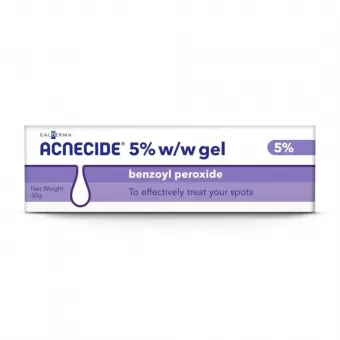
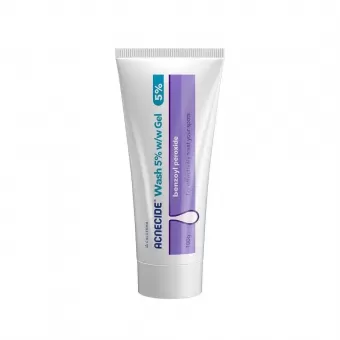
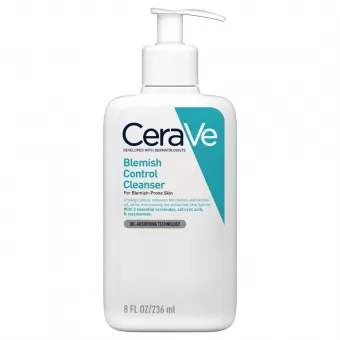
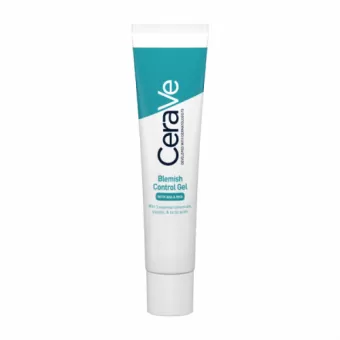
Acnecide contains benzoyl peroxide, which kills the bacteria that contribute to acne and helps unclog pores. It is available as a gel for direct application and as a face wash. CeraVe Blemish Control products combine salicylic acid with ceramides to target blemishes while supporting the skin barrier. These treatments are suited to mild to moderate acne in adults.
Scars and Stretchmarks
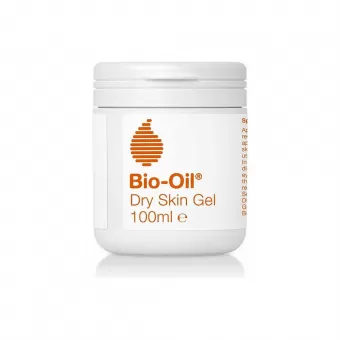
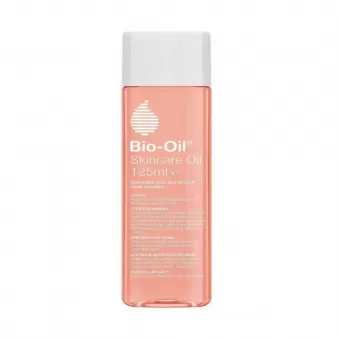
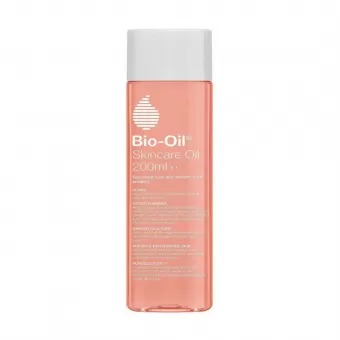
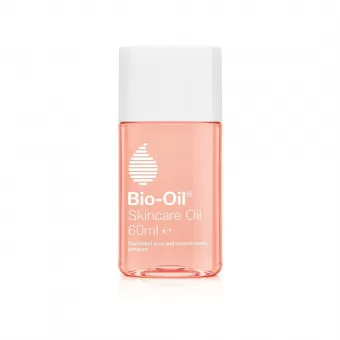
Bio-Oil is a specialist skincare oil formulated to help improve the appearance of scars, stretchmarks and uneven skin tone. It contains vitamin A, vitamin E and plant-based oils. Results vary between individuals, and consistent use over a minimum of three months is recommended for visible improvement.
Choosing the Right Treatment
Concern | Recommended Type | Example Treatments |
| Dry, sensitive or dehydrated skin | Emollient cream or lotion | Aveeno, CeraVe, Aquamax |
| Eczema or dermatitis flare-up | Emollient + mild corticosteroid | E45, Hydrocortisone cream |
| Athlete's foot, ringworm, fungal rash | Antifungal cream | Canesten, Canesten HC |
| Mild to moderate acne | Benzoyl peroxide or salicylic acid | Acnecide, CeraVe Blemish Control |
| Scars, stretchmarks, uneven tone | Specialist skincare oil | Bio-Oil |
| Gentle daily cleansing | Skin cleanser | CeraVe Hydrating Cleanser |
How to Buy Skin Care Products from Cloud Pharmacy
- Step 1: Browse the range or filter by category (creams, eczema, fungal, scars, cleansing)
- Step 2: Select the product and add it to your basket
- Step 3: Complete a short online assessment
- Step 4: Once approved, your order is dispatched with next-day delivery available
Sources and References
NHS - Eczema: https://www.nhs.uk/conditions/atopic-eczema/
NHS - Acne: https://www.nhs.uk/conditions/acne/
NHS - Fungal skin infections: https://www.nhs.uk/conditions/fungal-nail-infection/
NICE - Clinical Knowledge Summary: Eczema - atopic
MHRA - Emollients: fire safety advice
FAQ
How often should I use an emollient for dry skin or eczema?
Emollients should be applied liberally and frequently, ideally at least twice a day, and more often during flare-ups. They work best when applied to slightly damp skin after bathing. Consistent use is more important than the specific product chosen.
Can I use benzoyl peroxide every day?
When starting Acnecide or another benzoyl peroxide product, it is recommended to begin with once-daily application and gradually increase to twice daily if tolerated. Benzoyl peroxide can cause dryness, peeling and sun sensitivity. Use a non-comedogenic moisturiser and apply sunscreen daily during use.
How long should I use antifungal cream for?
Most fungal skin infections require two to four weeks of treatment. It is important to continue using the cream for the full recommended course, even if symptoms improve sooner, to ensure the infection is fully cleared and does not return.
When should I see a doctor about a skin condition?
See your GP if a skin condition is worsening despite treatment, is spreading rapidly, shows signs of infection (redness, warmth, pus), affects a large area of the body, or causes significant distress. Skin changes such as new moles, growths, or non-healing wounds should also be assessed promptly.
How it works
Achieve your goals in just a few simple steps

Step 1
Start Free Consultation
Answer some questions so we can understand your needs.

Step 2
Review By Our Clinical Team
Our expert team will use your consultation as the basis of our recommendation and communicate with you.

Step 3
From Prescription to Doorstep
Orders are carefully reviewed by a prescriber before discreet dispatch.

Step 4
Achieve your health goals
A plan tailored to your needs for real, measurable results.
Need something else?
We stock over 1102 treatments for 90 conditions