




Foot Care


22 Foot Care treatments found

Overview
Treatments for Common Foot Problems
Foot problems are extremely common and can range from minor inconveniences such as blisters and hard skin to more persistent conditions like verrucas, cracked heels and fungal nail infections. Left untreated, some foot conditions can worsen and affect mobility and comfort. Most mild foot problems can be managed effectively with over-the-counter treatments.
Cloud Pharmacy stocks over 20 foot care products, including verruca and wart treatments, blister plasters, cracked heel creams and foot hygiene products from trusted brands. All products are dispensed by our GPhC-registered pharmacy team.
Who Are These Treatments For?
These products may be appropriate if you are experiencing:
- Verrucas or warts on the feet or hands
- Blisters caused by friction from footwear
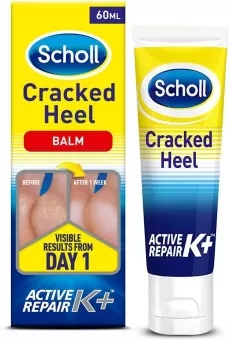
- Cracked, dry or rough heels
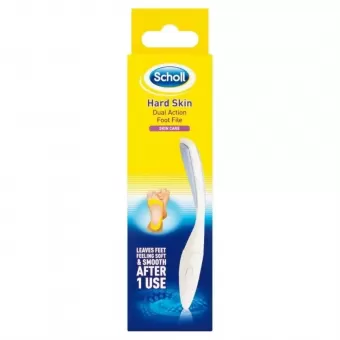
- Hard skin or calluses on the feet
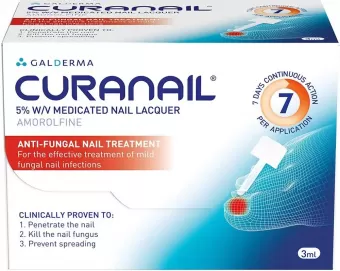
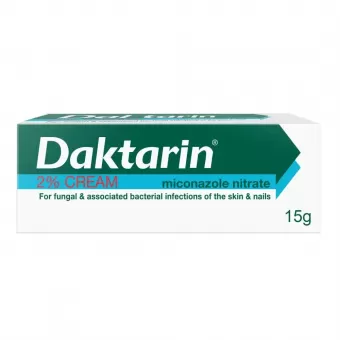
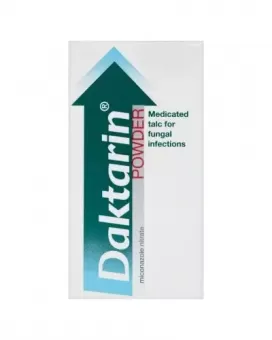
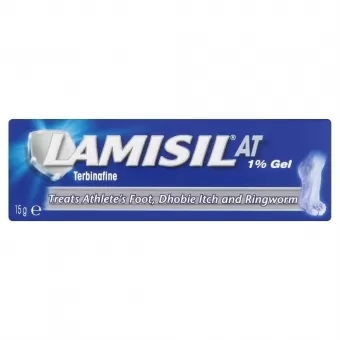
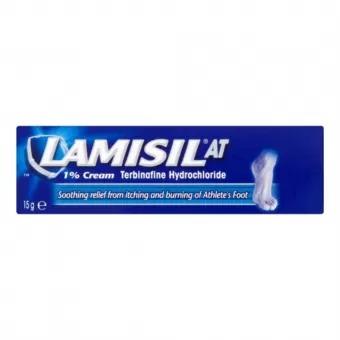
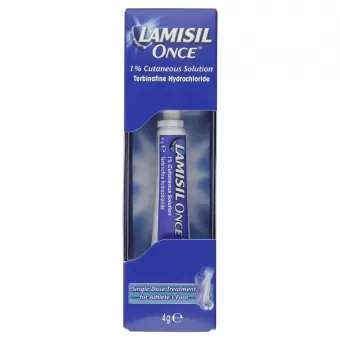
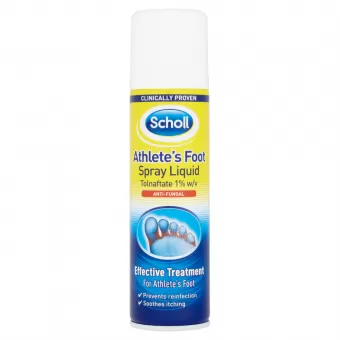
- Athlete's foot or fungal infections of the feet or toenails
If you have diabetes, peripheral neuropathy, or poor circulation, consult your GP or podiatrist before using any foot treatment, as these conditions increase the risk of complications from minor foot problems.
Important Safety Information
- Verruca and wart treatments containing salicylic acid (Bazuka) should not be applied to the face, moles, birthmarks, or irritated skin
- Do not use Bazuka products if you have diabetes or poor blood circulation without medical advice
- Blister plasters should only be applied to clean, dry skin and removed carefully to avoid tearing the skin underneath
- If a foot wound shows signs of infection (redness, warmth, swelling, pus, or red streaks), seek medical advice promptly
Available Treatment Types
Verruca and Wart Treatments
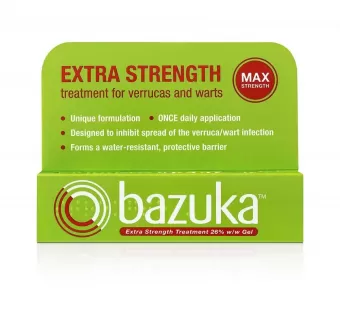
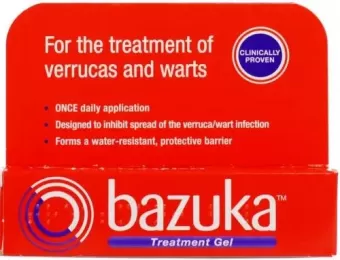
Bazuka Gel and Bazuka Extra Strength contain salicylic acid, which works by gradually breaking down the hard skin of the verruca or wart over several weeks. The gel is applied daily, allowed to dry, and the dead skin is filed away periodically. Treatment typically takes up to 12 weeks. Scholl Verruca and Wart Removal products offer similar salicylic acid-based treatments.
Blister Care
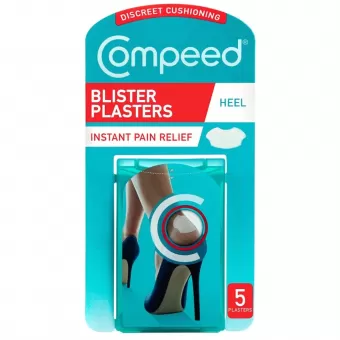
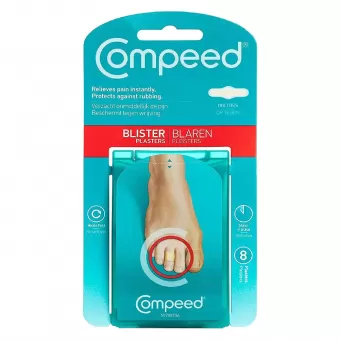
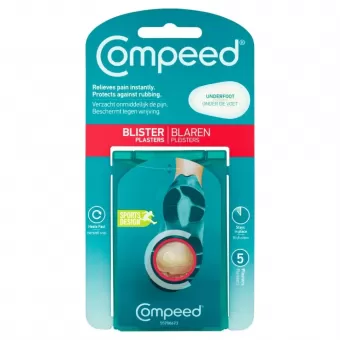
Compeed blister plasters use hydrocolloid technology to create a protective cushion over the blister, absorbing moisture and promoting natural healing while protecting against further friction. They are available in sizes designed for heels, toes and other common blister sites. They can be worn for several days and are waterproof.
Cracked Heel and Dry Foot Care
Flexitol Heel Balm contains 25% urea, which deeply moisturises and softens hard, cracked skin on the heels. It is clinically proven to improve visibly dry and cracked heels within a few days of regular use. Scholl foot creams and files are also available for ongoing maintenance of smooth, healthy feet.
Choosing the Right Treatment
Concern | Recommended Type | Example Products |
| Verrucas or warts | Salicylic acid gel | Bazuka Gel, Bazuka Extra Strength |
| Blisters from footwear | Hydrocolloid blister plaster | Compeed Blister Plasters |
| Cracked or rough heels | Urea-based heel balm | Flexitol Heel Balm |
| Hard skin or calluses | Foot file + moisturiser | Scholl foot care range |
How to Buy Foot Care Products from Cloud Pharmacy
- Step 1: Browse the range on this page
- Step 2: Select the product and add it to your basket
- Step 3: Complete a short online assessment
- Step 4: Once approved, your order is dispatched with next-day delivery available
Sources and References
NHS - Warts and verrucas: https://www.nhs.uk/conditions/warts-and-verrucas/
NHS - Blisters: https://www.nhs.uk/conditions/blisters/
NHS - Foot problems and the podiatrist: https://www.nhs.uk/live-well/healthy-body/foot-problems-and-the-podiatrist/
FAQ
How long does it take to get rid of a verruca?
Verrucas can be stubborn. Salicylic acid treatments like Bazuka typically require consistent daily application for up to 12 weeks. Some verrucas may take longer to resolve, and not all respond to over-the-counter treatment. If the verruca has not improved after 12 weeks, speak to your pharmacist or GP about alternative treatments such as cryotherapy.
Should I pop a blister?
No. The NHS advises against popping blisters, as this increases the risk of infection. Instead, cover the blister with a sterile blister plaster (such as Compeed) to protect it and allow it to heal naturally. If a blister becomes infected (increasing redness, warmth, pus), seek medical advice.
When should I see a podiatrist or GP about my feet?
See a healthcare professional if you have a foot wound that is not healing, a suspected fungal nail infection (thickened, discoloured nails), persistent foot pain, or if you have diabetes and notice any changes to your feet, including cuts, sores or changes in sensation.
How it works
Achieve your goals in just a few simple steps

Step 1
Start Free Consultation
Answer some questions so we can understand your needs.

Step 2
Review By Our Clinical Team
Our expert team will use your consultation as the basis of our recommendation and communicate with you.

Step 3
From Prescription to Doorstep
Orders are carefully reviewed by a prescriber before discreet dispatch.

Step 4
Achieve your health goals
A plan tailored to your needs for real, measurable results.
Need something else?
We stock over 1102 treatments for 90 conditions