




Antihistamines


14 Antihistamines treatments found


Overview
Tablets and Capsules for Allergy and Hayfever Relief
Antihistamines are the most widely used treatment for allergies in the UK. They work by blocking the effects of histamine, a chemical released by the immune system when the body encounters an allergen such as pollen, dust mites, pet dander or mould spores. By blocking histamine, antihistamines reduce the symptoms of allergic reactions, including sneezing, a runny or blocked nose, itchy or watery eyes, and skin rashes.
There are two main types of antihistamine: non-drowsy (second-generation) antihistamines, which are suitable for daytime use, and drowsy (first-generation) antihistamines, which may be more appropriate if allergy symptoms are disrupting sleep. The NHS advises that non-drowsy antihistamines are generally the best first choice for most people.
Cloud Pharmacy stocks a range of antihistamine tablets and capsules from trusted UK brands, including both non-drowsy and drowsy options. All products are dispensed by our GPhC-registered pharmacy team and delivered to your door.
Who Are These Treatments For?
Most antihistamine products available through Cloud Pharmacy are suitable for adults aged 18 and over. Some products, including Piriteze liquid, may also be suitable for children; always check the individual product page and patient information leaflet for age-specific guidance.
These treatments may be appropriate if you are experiencing:
- Sneezing, a runny nose or nasal congestion caused by hayfever or other allergens
- Itchy, red or watery eyes
- An itchy throat, mouth or ears
- Hives (urticaria) or other allergic skin reactions
- Symptoms of perennial (year-round) allergic rhinitis caused by dust mites, mould or animal dander
If you experience symptoms of a severe allergic reaction (anaphylaxis), such as swelling of the face, lips, tongue or throat, difficulty breathing, dizziness or collapse, call 999 immediately.
Important Safety Information
- Drowsy antihistamines (such as chlorphenamine in Piriton) can impair your ability to drive or operate machinery. Do not drive or use heavy equipment after taking a drowsy antihistamine
- Do not take more than one antihistamine at the same time unless specifically advised by a pharmacist or doctor
- Avoid alcohol while taking antihistamines, particularly drowsy types, as it can increase sedation
- Tell your pharmacist if you are pregnant, breastfeeding, or have liver or kidney disease, epilepsy, glaucoma, or an enlarged prostate
- Check the active ingredients carefully if you are taking other medicines, including cold and flu remedies, as some already contain antihistamines
- Do not exceed the recommended dose stated on the packaging
Available Treatments
Non-Drowsy Antihistamines
Cetirizine 10mg Tablets
Cetirizine is a second-generation antihistamine that provides 24-hour relief from hayfever and allergy symptoms with a single daily dose. It is one of the most commonly recommended antihistamines in the UK. Cetirizine is classed as non-drowsy, although drowsiness has been reported in some people. It can be taken with or without food and begins working within 20 to 40 minutes.
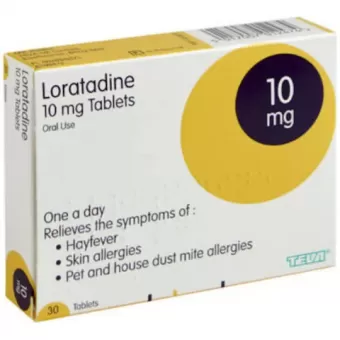
Loratadine 10mg Tablets
Loratadine is another widely used non-drowsy antihistamine taken once daily. It is the antihistamine most commonly recommended during pregnancy. Loratadine is effective for relieving sneezing, runny nose, itchy eyes and other hayfever symptoms. It is generally well tolerated with a low incidence of drowsiness.
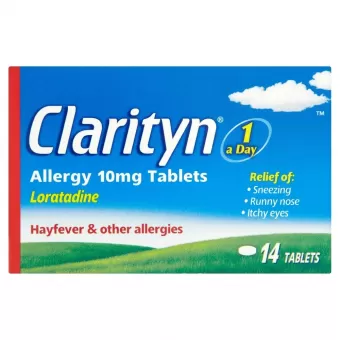
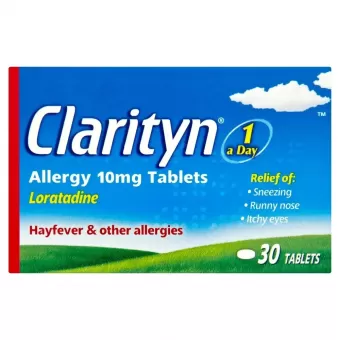
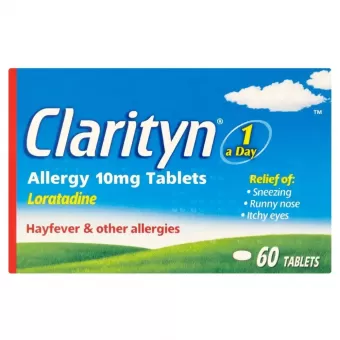
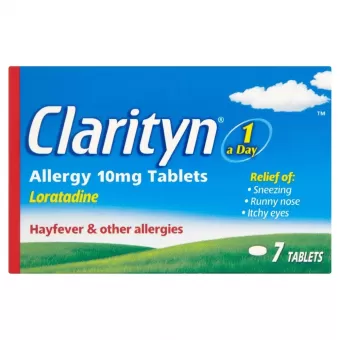
Clarityn Allergy Tablets (Loratadine 10mg)
Clarityn is the branded version of loratadine. It contains the same active ingredient at the same dose and works in the same way. The choice between Clarityn and generic loratadine is one of personal preference; both are equally effective.
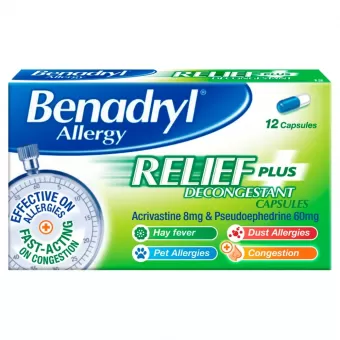
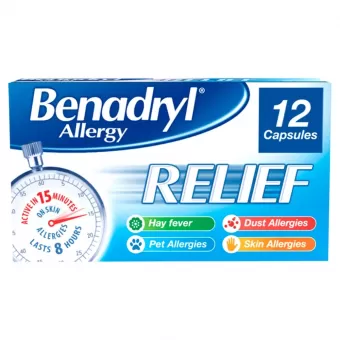
Benadryl Allergy Relief Capsules (Cetirizine 10mg)
Benadryl Allergy Relief capsules contain cetirizine and provide the same non-drowsy, once-daily allergy relief. Benadryl Allergy Plus Capsules offer an alternative formulation.
Piriteze Liquid (Cetirizine)
Piriteze is a cetirizine-based liquid formulation, which may be preferred by people who have difficulty swallowing tablets. Check the product packaging for age suitability.
Drowsy Antihistamines
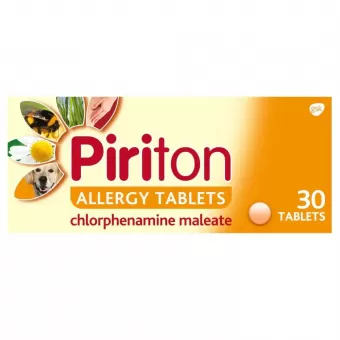
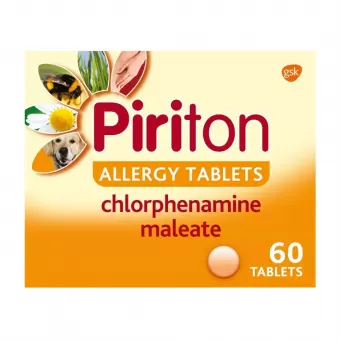
Piriton Allergy Tablets (Chlorphenamine 4mg)
Piriton contains chlorphenamine, a first-generation antihistamine that is more likely to cause drowsiness. It is taken every four to six hours as needed. While it can impair alertness, it may be useful if allergy symptoms are disrupting sleep. Piriton is also available as a syrup.
Chlorphenamine 4mg Tablets
Generic chlorphenamine tablets contain the same active ingredient as Piriton at a lower price point. They work in the same way and have the same dosing instructions.
Other Options
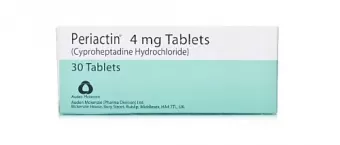
Periactin (Cyproheptadine 4mg)
Periactin contains cyproheptadine, an antihistamine that also has appetite-stimulating properties. It may be used for allergy relief in specific clinical situations. Consult your pharmacist or GP for guidance on whether Periactin is appropriate for you.
Choosing the Right Antihistamine
Situation | Recommended Type | Example Treatments | Key Consideration |
| Daytime hayfever relief | Non-drowsy antihistamine | Cetirizine, Loratadine, Clarityn | Suitable for driving and work |
| Allergy symptoms disrupting sleep | Drowsy antihistamine | Piriton, Chlorphenamine | Do not drive after taking |
| Prefer a liquid formulation | Non-drowsy liquid | Piriteze Liquid, Piriton Syrup | Check age suitability |
| Pregnant or breastfeeding | Non-drowsy (loratadine preferred) | Loratadine, Clarityn | Consult pharmacist first |
| Multiple allergy symptoms | Antihistamine + nasal spray or eye drops | Cetirizine + Beconase | Combined approach recommended |
How to Buy Antihistamines from Cloud Pharmacy
- Step 1: Browse the product range on this page
- Step 2: Select the product you need and add it to your basket
- Step 3: Complete a short online assessment so our pharmacy team can confirm the product is suitable for you
- Step 4: Once approved, your order is dispensed and dispatched with discreet, next-day delivery available
Sources and References
NHS - Antihistamines: https://www.nhs.uk/medicines/antihistamines/
NHS - Hayfever: https://www.nhs.uk/conditions/hay-fever/
NHS - Cetirizine: https://www.nhs.uk/medicines/cetirizine/
NHS - Loratadine: https://www.nhs.uk/medicines/loratadine/
NHS - Chlorphenamine: https://www.nhs.uk/medicines/chlorphenamine-including-piriton/
NICE - Clinical Knowledge Summary: Allergic rhinitis
FAQ
What is the difference between a non-drowsy and a drowsy antihistamine?
Non-drowsy antihistamines (such as cetirizine and loratadine) are designed to relieve allergy symptoms without causing significant sedation, making them suitable for daytime use including driving and work. Drowsy antihistamines (such as chlorphenamine in Piriton) are more likely to cause sleepiness. They can be helpful if allergy symptoms are keeping you awake at night, but you should avoid driving or operating machinery after taking them.
Can I take antihistamines every day during hayfever season?
Non-drowsy antihistamines such as cetirizine and loratadine are generally safe for daily use throughout the allergy season when taken as directed. Research supports the safety of long-term daily use at recommended doses. If you need to take antihistamines for extended periods, speak to your pharmacist or GP to confirm the most appropriate option for you.
Can I take antihistamines with other allergy treatments?
Yes. Oral antihistamines can safely be used alongside corticosteroid nasal sprays (such as Beconase or Pirinase) and allergy eye drops (such as Opticrom), as they work through different mechanisms. This combined approach is often recommended for moderate to severe hayfever. However, you should not take two different oral antihistamines at the same time unless specifically advised by a pharmacist or doctor.
When should I see a doctor about my allergies?
Speak to your GP if over-the-counter antihistamines are not controlling your symptoms, if your symptoms are getting worse over time, if you experience wheezing or shortness of breath alongside allergy symptoms, or if you suspect a food or medication allergy. If you ever experience symptoms of anaphylaxis, call 999 immediately.
How it works
Achieve your goals in just a few simple steps
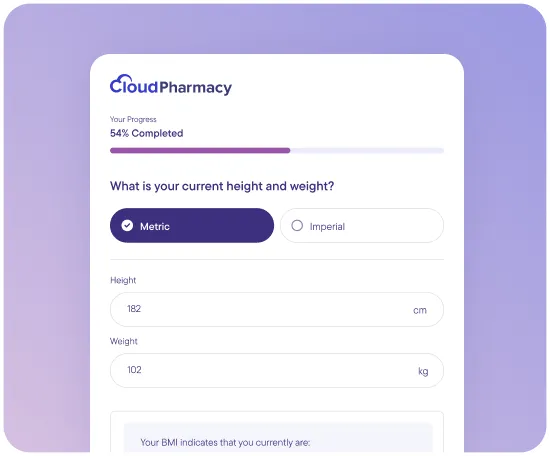
Step 1
Start Free Consultation
Answer some questions so we can understand your needs.

Step 2
Review By Our Clinical Team
Our expert team will use your consultation as the basis of our recommendation and communicate with you.

Step 3
From Prescription to Doorstep
Orders are carefully reviewed by a prescriber before discreet dispatch.
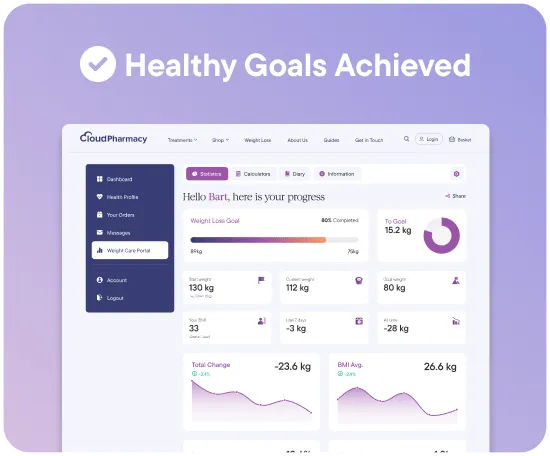
Step 4
Achieve your health goals
A plan tailored to your needs for real, measurable results.
Need something else?
We stock over 1102 treatments for 90 conditions