




Allergy & Hayfever


22 Allergy & Hayfever treatments found


Overview
Hayfever and Allergy Treatment Online
Hayfever and allergy symptoms affect millions of people across the UK each year. Symptoms range from sneezing, nasal congestion and a runny nose to itchy eyes, skin reactions and general fatigue. For some, symptoms are seasonal and triggered by pollen during spring and summer. For others, allergies persist year-round in response to triggers such as dust mites, pet dander or mould spores.
Effective hayfever and allergy treatment depends on identifying the type and severity of your symptoms and selecting the appropriate medication. Treatment options include oral antihistamines, nasal corticosteroid sprays, allergy eye drops and topical creams, each targeting different aspects of the allergic response.
Cloud Pharmacy offers a range of clinically established hayfever and allergy medications available through our online pharmacy service. All treatments listed on this page are reviewed by our UK-based clinical team before dispatch. Whether you are managing mild seasonal hayfever or more persistent allergy symptoms, our pharmacist team can help you find a suitable treatment during your consultation.
Who Are Hayfever and Allergy Treatments For?
Hayfever and allergy medication may be appropriate for adults aged 18 and over who experience symptoms caused by an allergic response to environmental triggers. Common symptoms that may benefit from treatment include:
- Sneezing and a runny or blocked nose
- Itchy, red or watery eyes
- An itchy throat, mouth or ears
- Headaches or sinus pressure
- Skin reactions such as itching or hives following insect bites or stings
- Fatigue or difficulty concentrating during allergy season
Most hayfever medication available on this page is suitable for people with mild to moderate symptoms. If your symptoms are severe, do not respond to over-the-counter treatments, or are accompanied by wheezing or breathing difficulties, you should consult your GP. Breathing difficulties may indicate asthma or a more serious allergic reaction requiring urgent medical assessment.
Hayfever and allergy treatments may not be suitable for everyone. You should speak to a pharmacist or doctor before starting treatment if you are pregnant or breastfeeding, have a liver or kidney condition, are taking other prescription medications, or have previously experienced adverse reactions to antihistamines.
Important Safety Information
All medicines carry a risk of side effects, although most people tolerate hayfever and allergy medication well. Before starting any new treatment, you should read the patient information leaflet provided with the product.
Key safety points to be aware of:
- Some antihistamines (such as chlorphenamine) can cause drowsiness — avoid driving or operating machinery if affected
- Non-drowsy antihistamines (such as cetirizine and loratadine) are less likely to cause sedation, but individual responses vary
- Nasal corticosteroid sprays are for nasal use only — follow the dosing instructions carefully and do not exceed the recommended dose
- Allergy eye drops should not be used with contact lenses in place — remove lenses before application and wait at least 15 minutes before reinserting
- Decongestant nasal sprays (such as Otrivine) should not be used for more than seven consecutive days, as prolonged use can cause rebound congestion
- If symptoms persist or worsen despite treatment, seek advice from a pharmacist or GP
Full safety information for each product, including side effects and contraindications, is available on the individual product pages. If you have any concerns about which hayfever and allergy medication is right for you, our clinical team can advise during the consultation process.
Available Hayfever and Allergy Treatments
Cloud Pharmacy stocks hayfever and allergy medication across four main treatment categories. The sections below provide an overview of each category and the products available, to help you understand your options before starting a consultation.
Antihistamine Tablets and Syrups
Antihistamines are the most widely used form of hayfever medication. They work by blocking the action of histamine, a chemical released by the immune system during an allergic reaction. Histamine is responsible for many common allergy symptoms, including sneezing, itching and nasal congestion.
Antihistamines are available in two main types:
Non-drowsy antihistamines are generally preferred for daytime use, as they are less likely to cause sedation. Options available through Cloud Pharmacy include:
- Cetirizine 10mg Tablets — a second-generation antihistamine taken once daily. Effective for hayfever, allergic rhinitis and urticaria (hives). From £4.99.
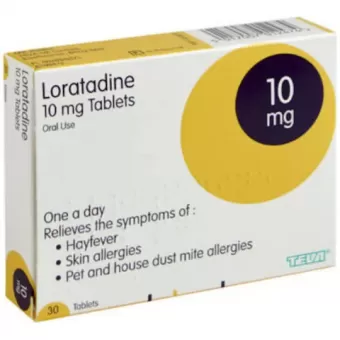
- Loratadine 10mg Tablets — another second-generation option taken once daily. Similar efficacy to cetirizine, with a slightly different side effect profile. Some patients find one suits them better than the other. From £4.20.
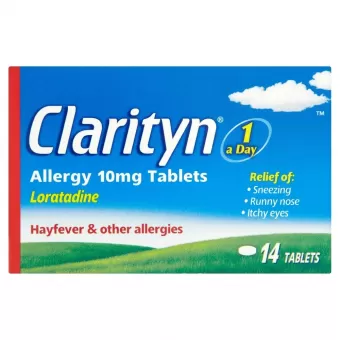
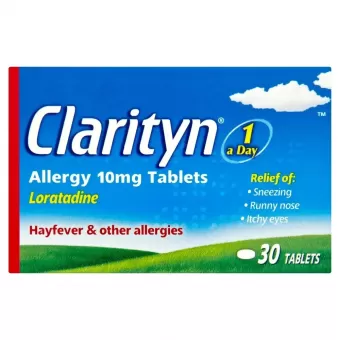
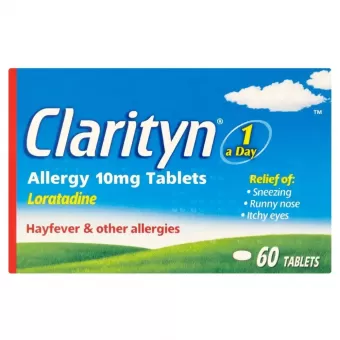
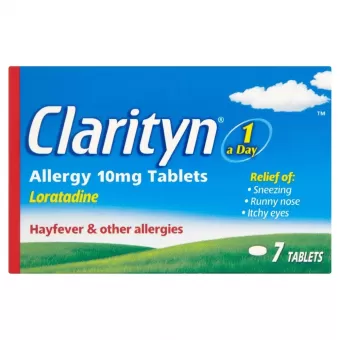
- Clarityn Allergy Tablets (loratadine) — the branded version of loratadine. Available in 7, 14, 30 and 60 tablet packs. From £4.99.
- Piriteze (cetirizine) — branded cetirizine in liquid form (70ml). May suit those who prefer a liquid to tablets. From £5.80.
Sedating antihistamines may be suitable for people whose allergy symptoms disrupt sleep, or when a non-drowsy option has not provided adequate relief:
- Chlorphenamine 4mg Tablets — a first-generation antihistamine. Effective but may cause significant drowsiness. Taken up to three times daily. From £4.99.
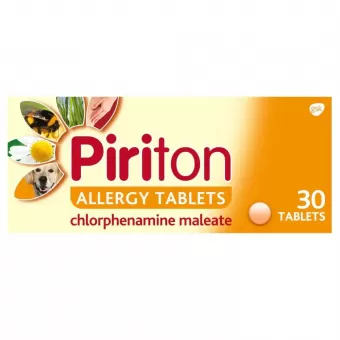
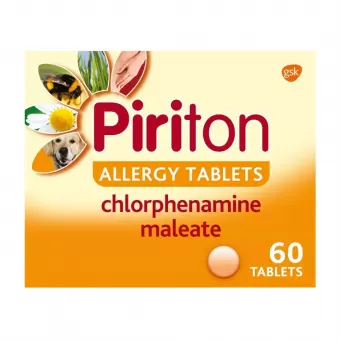
- Piriton Allergy Tablets (chlorphenamine) — branded chlorphenamine. Available in 30 and 60 tablet packs. From £4.99.
- Piriton Syrup (chlorphenamine) — liquid chlorphenamine (150ml). From £5.99.
Other antihistamine options:
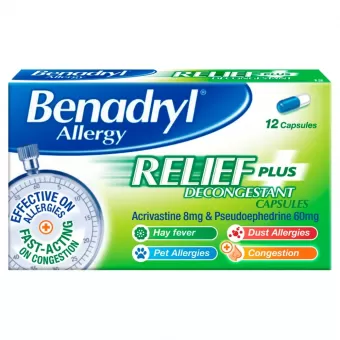
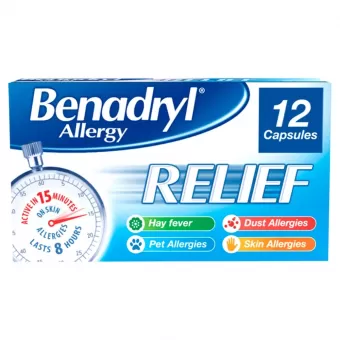
- Benadryl Allergy Relief Capsules (acrivastine) — works within 15–30 minutes and is shorter-acting than cetirizine or loratadine, making it suitable for as-needed use. From £7.99.
- Benadryl Allergy Plus Capsules — combines acrivastine with a decongestant for nasal congestion alongside other allergy symptoms. From £5.99.
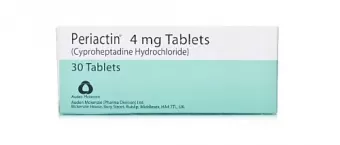
- Periactin 4mg Tablets (cyproheptadine) — a prescription-strength antihistamine that may be used when other options have not been effective. From £10.99.
Nasal Sprays
Nasal sprays target congestion, sneezing and a runny nose directly at the source. Corticosteroid nasal sprays are particularly effective for moderate to severe nasal hayfever symptoms and are recommended by NICE as a first-line treatment for persistent allergic rhinitis.
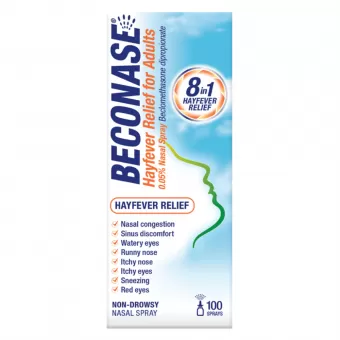
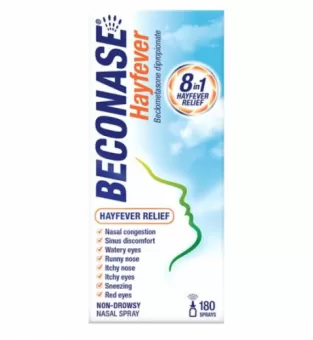
- Beconase Allergy Nasal Spray (beclometasone) — a corticosteroid spray that reduces inflammation in the nasal passages. Takes a few days of regular use to reach full effect. Available in 100-dose and 180-dose sizes. From £9.99.
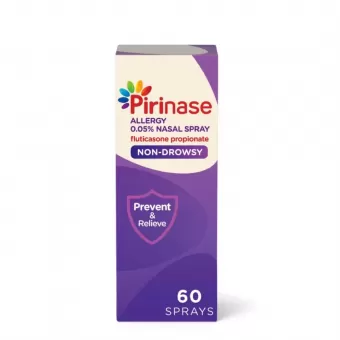
- Pirinase Allergy Nasal Spray (fluticasone) — another corticosteroid option. Once-daily dosing. May suit people who prefer a single daily application. From £11.99.
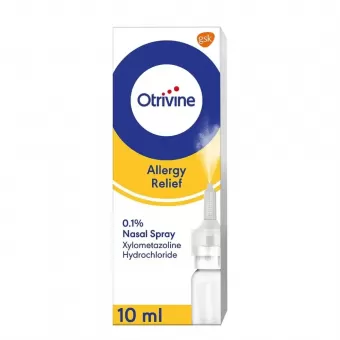
- Otrivine Nasal Spray (xylometazoline) — a decongestant spray providing rapid relief from a blocked nose. Not a corticosteroid. Suitable for short-term use only (maximum seven days) to avoid rebound congestion. From £7.99.
Allergy Eye Drops
When hayfever and allergy symptoms primarily affect the eyes — causing itching, redness and watering — targeted eye drops can provide localised relief. The allergy eye drops available through Cloud Pharmacy contain sodium cromoglicate, a mast cell stabiliser that helps prevent the release of histamine in the eye tissue.
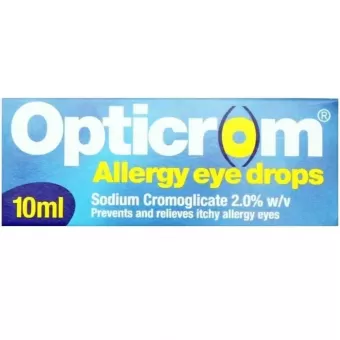
- Opticrom Aqueous Eye Drops 10ml — sodium cromoglicate 2%. Applied up to four times daily. Works best as a preventative treatment with regular use. £4.99.
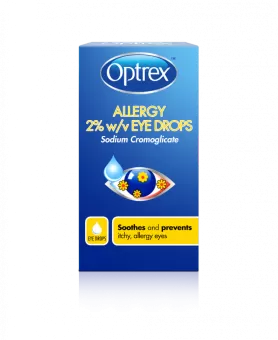
- Optrex Allergy Eye Drops 10ml — sodium cromoglicate 2%. Same active ingredient as Opticrom in a branded Optrex formulation. From £7.99.
- Optrex Hayfever Relief Eye Drops — sodium cromoglicate 2%. Formulated specifically for seasonal hayfever eye symptoms. From £7.99.
Bite and Sting Cream
Localised allergic skin reactions from insect bites and stings can cause itching, redness and swelling. Topical treatments can help relieve these symptoms:
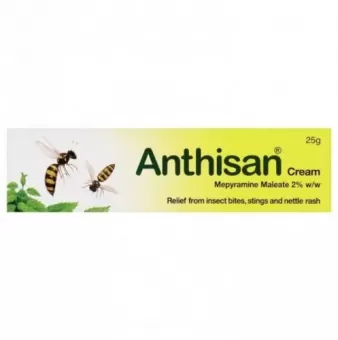
- Anthisan Cream 20g (mepyramine maleate) — a topical antihistamine cream applied directly to the affected area. Provides relief from itching and irritation caused by insect bites, stings and nettle rash. From £4.80.
Hayfever and Allergy Treatment Comparison
| Treatment Type | Examples | How It Works | Best For | Key Consideration |
| Non-drowsy antihistamine tablets | Cetirizine, Loratadine, Clarityn | Blocks histamine receptors systemically | General hayfever symptoms — sneezing, itching, runny nose | Taken once daily; minimal sedation |
| Sedating antihistamine tablets | Chlorphenamine, Piriton | Blocks histamine receptors; crosses blood-brain barrier | Symptoms that disrupt sleep; when non-drowsy options are insufficient | May cause significant drowsiness |
| Fast-acting antihistamine | Acrivastine (Benadryl) | Blocks histamine; rapid onset (15–30 min) | As-needed relief for unpredictable symptoms | Shorter duration — may need multiple daily doses |
| Corticosteroid nasal spray | Beconase, Pirinase | Reduces nasal inflammation | Moderate to severe nasal congestion and sneezing | Takes several days for full effect; regular use needed |
| Decongestant nasal spray | Otrivine | Constricts blood vessels in nasal passages | Short-term relief of acute nasal blockage | Maximum 7 days continuous use |
| Allergy eye drops | Opticrom, Optrex | Stabilises mast cells; prevents histamine release in eyes | Itchy, red or watery eyes | Preventative — best with regular use before symptom onset |
| Topical antihistamine cream | Anthisan | Blocks histamine locally at the skin | Insect bites, stings, nettle rash | For external use only; localised relief |
This table provides a general overview. Individual suitability depends on your symptoms, medical history and other medications. Our pharmacist team can recommend the most appropriate hayfever and allergy treatment during your consultation.
How the Online Consultation Works
Ordering hayfever and allergy medication through Cloud Pharmacy follows a clinical process designed to ensure safe and appropriate treatment.
Step 1 — Complete a short online assessment. You will answer questions about your symptoms, their duration and severity, your medical history and any other medications you are currently taking. This typically takes less than five minutes.
Step 2 — Clinical review. Our UK-based pharmacist team reviews your assessment. This is a genuine clinical check, not an automatic approval process. If the requested treatment is not suitable, our team will explain why and may suggest an alternative hayfever and allergy treatment.
Step 3 — Dispensing and dispatch. If approved, your treatment is dispensed by our GPhC-registered pharmacy (registration number 9012073) and dispatched for next-day delivery in discreet packaging.
Step 4 — Ongoing support. If you have questions about your hayfever medication at any point, our pharmacist team is available to help. You remain in control of when and whether to reorder.
The consultation is free, and there is no obligation to proceed with a purchase.
Before You Start Your Consultation
To help our clinical team assess your suitability efficiently, it is useful to have the following information ready:
- A description of your symptoms and which affect you most (nasal, eye, skin or a combination)
- How long have you experienced symptoms, and whether they are seasonal or year-round
- Any hayfever and allergy treatments you have tried previously, including what worked and what did not
- A list of any other medications you are currently taking
- Whether you are pregnant or breastfeeding
- Any known drug allergies or adverse reactions to antihistamines
- Any relevant medical conditions, such as asthma, liver or kidney problems
Sources and References
The information on this page has been prepared in accordance with guidance from the following sources:
- NHS — Hay fever: https://www.nhs.uk/conditions/hay-fever/
- NHS — Antihistamines: https://www.nhs.uk/conditions/antihistamines/
- NHS — Allergic rhinitis: https://www.nhs.uk/conditions/allergic-rhinitis/
- NICE CKS — Allergic rhinitis: https://cks.nice.org.uk/topics/allergic-rhinitis/
- NICE CKS — Conjunctivitis—allergic: https://cks.nice.org.uk/topics/conjunctivitis-allergic/
- MHRA — Patient information leaflets for individual products
General Pharmaceutical Council (GPhC) — Registered pharmacy 9012073
Authored by Stephanie Beirne
Reviewed by Nazmul Kadir
Reviewed on 01/08/2025
Next Review on 01/08/2027
FAQ
Frequently Asked Questions About Hayfever and Allergy Treatment
How do I know which hayfever medication is right for me?
The most suitable treatment depends on your primary symptoms. If sneezing and a runny nose are the main issue, an oral antihistamine or nasal corticosteroid spray may be most effective. If your eyes are the primary concern, allergy eye drops may be more appropriate. Many people benefit from a combination of treatments targeting different symptoms. Our pharmacist team can recommend a suitable approach based on your consultation.
What is the difference between drowsy and non-drowsy antihistamines?
Non-drowsy antihistamines such as cetirizine and loratadine are second-generation medications designed to minimise sedation. Older, first-generation antihistamines such as chlorphenamine (Piriton) are more likely to cause drowsiness. Sedating options may be preferred when allergy symptoms are disrupting sleep, but they should be used with caution if you need to drive or operate machinery.
Can I take more than one type of hayfever and allergy treatment at the same time?
In many cases, different treatment types can be combined safely. For example, using an oral antihistamine alongside a nasal corticosteroid spray and allergy eye drops is a common approach for people with multiple symptoms. However, you should not take two different oral antihistamines at the same time without medical advice. Always disclose all current medications during your consultation.
How long does hayfever medication take to work?
This varies by treatment type. Oral antihistamines such as cetirizine and loratadine typically begin working within one to three hours. Acrivastine (Benadryl) acts faster, usually within 15 to 30 minutes. Nasal corticosteroid sprays take several days of regular use to reach full effectiveness. Allergy eye drops containing sodium cromoglicate work best with consistent preventative use over one to two weeks.
When should I see a GP instead of using over-the-counter hayfever medication?
You should consult your GP if your symptoms are severe and not controlled by over-the-counter treatments, if you experience wheezing or breathing difficulties alongside allergy symptoms, if you suspect your symptoms may not be allergy-related, or if you need treatment during pregnancy. Your GP may prescribe stronger hayfever and allergy medication or refer you for allergy testing.
Is it safe to use nasal sprays long-term?
Corticosteroid nasal sprays such as Beconase and Pirinase are generally considered safe for use throughout the hayfever season when used as directed. Decongestant sprays such as Otrivine should not be used for more than seven consecutive days due to the risk of rebound congestion. If you need long-term nasal treatment, a corticosteroid spray is typically the more appropriate choice.
How it works
Achieve your goals in just a few simple steps
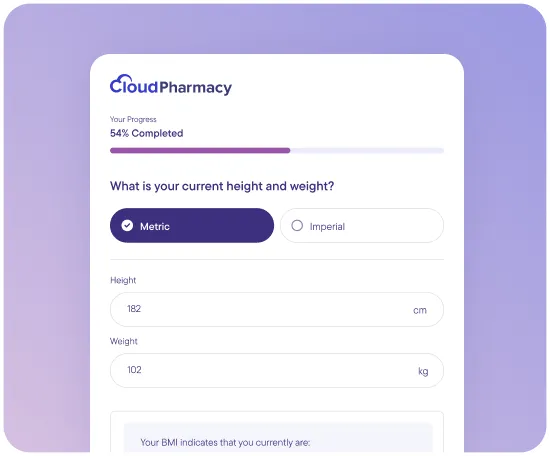
Step 1
Start Free Consultation
Answer some questions so we can understand your needs.

Step 2
Review By Our Clinical Team
Our expert team will use your consultation as the basis of our recommendation and communicate with you.

Step 3
From Prescription to Doorstep
Orders are carefully reviewed by a prescriber before discreet dispatch.
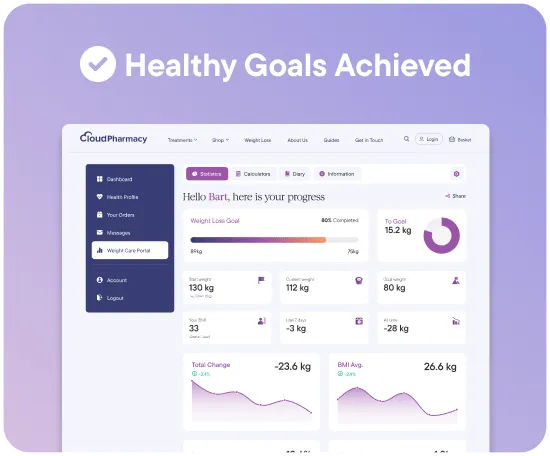
Step 4
Achieve your health goals
A plan tailored to your needs for real, measurable results.
Need something else?
We stock over 1102 treatments for 90 conditions