











Am I Eligible for Nevolat?

Updated 13th September 2026
"Am I eligible" sounds like one question. It is two, and people usually only think about the first.
The first is whether you meet the licensed criteria, which are numerical and published. The second is whether liraglutide is safe for you given your medical history, which has nothing to do with your weight and is where most people who do not proceed are actually stopped. Clearing the first tells you very little about the second.
The short version: the licence needs a BMI of 30 kg/m2 or more, or 27 to under 30 kg/m2 alongside a weight-related condition, and separately there is a list of situations where the medicine is not recommended at all.1 Both are set out below so you can read them against your own history before anyone asks you to.
The first is whether you meet the licensed criteria, which are numerical and published. The second is whether liraglutide is safe for you given your medical history, which has nothing to do with your weight and is where most people who do not proceed are actually stopped. Clearing the first tells you very little about the second.
The short version: the licence needs a BMI of 30 kg/m2 or more, or 27 to under 30 kg/m2 alongside a weight-related condition, and separately there is a list of situations where the medicine is not recommended at all.1 Both are set out below so you can read them against your own history before anyone asks you to.
The two questions "eligible" actually covers
Worth separating properly, because they fail independently.
Someone with a BMI of 34 and a history of pancreatitis meets the licensed threshold comfortably and still should not take this medicine.1 Someone with a BMI of 28 and no other conditions is in perfect health and falls outside the licence.1 Neither of those is a borderline case. They are two different tests producing two different answers.
There is a third question underneath both, which is whether treatment is the right approach for you at all rather than whether it is permitted. The NHS frames medicines as one part of a picture that also includes weight-management programmes, specialist services and, for some people, surgery, and it is explicit that weight-loss medicines are usually prescribed alongside diet and lifestyle advice.3 A prescriber is weighing that too.
A fourth question is who pays. Meeting the licence is not the same as qualifying for NHS funding, and for liraglutide the NHS route is narrow: NICE recommends it only in secondary care through a specialist weight management service, for adults with a BMI of at least 35 kg/m² who also have non-diabetic hyperglycaemia and a high cardiovascular risk.7 So a private assessment against the wider licence, and NHS funding, are two different questions.
Someone with a BMI of 34 and a history of pancreatitis meets the licensed threshold comfortably and still should not take this medicine.1 Someone with a BMI of 28 and no other conditions is in perfect health and falls outside the licence.1 Neither of those is a borderline case. They are two different tests producing two different answers.
There is a third question underneath both, which is whether treatment is the right approach for you at all rather than whether it is permitted. The NHS frames medicines as one part of a picture that also includes weight-management programmes, specialist services and, for some people, surgery, and it is explicit that weight-loss medicines are usually prescribed alongside diet and lifestyle advice.3 A prescriber is weighing that too.
A fourth question is who pays. Meeting the licence is not the same as qualifying for NHS funding, and for liraglutide the NHS route is narrow: NICE recommends it only in secondary care through a specialist weight management service, for adults with a BMI of at least 35 kg/m² who also have non-diabetic hyperglycaemia and a high cardiovascular risk.7 So a private assessment against the wider licence, and NHS funding, are two different questions.
The BMI criteria, precisely
For adults, liraglutide is indicated as an adjunct to a reduced-calorie diet and increased physical activity for weight management where the initial BMI is:
For orientation, the NHS classes a BMI of 25 to 29.9 as overweight and 30 or more as obese for most adults.2 It sets lower thresholds for people from South Asian, Chinese, other Asian, Middle Eastern, Black African or African-Caribbean backgrounds, where 23 to 27.4 counts as overweight and 27.5 or above as obese.2
Those NHS thresholds and the licensed thresholds are not the same numbers and do not do the same job. The NHS figures describe weight categories. The licensed figures determine whether a medicine may be prescribed. Do not read one as the other.
Two caveats from the NHS worth holding onto. BMI cannot tell the difference between muscle and fat, so a very muscular person can land in a category that does not describe them.2 And waist size is a separate check: the advice is to keep it to less than half your height.2
- 30 kg/m2 or more, or
- 27 kg/m2 to under 30 kg/m2 in the presence of at least one weight-related condition.1
For orientation, the NHS classes a BMI of 25 to 29.9 as overweight and 30 or more as obese for most adults.2 It sets lower thresholds for people from South Asian, Chinese, other Asian, Middle Eastern, Black African or African-Caribbean backgrounds, where 23 to 27.4 counts as overweight and 27.5 or above as obese.2
Those NHS thresholds and the licensed thresholds are not the same numbers and do not do the same job. The NHS figures describe weight categories. The licensed figures determine whether a medicine may be prescribed. Do not read one as the other.
Two caveats from the NHS worth holding onto. BMI cannot tell the difference between muscle and fat, so a very muscular person can land in a category that does not describe them.2 And waist size is a separate check: the advice is to keep it to less than half your height.2
Weight-related conditions that change the threshold
This is the tier people miss, and it moves the line by three whole BMI points.
The product information names dysglycaemia, meaning prediabetes or type 2 diabetes, hypertension, dyslipidaemia and obstructive sleep apnoea as examples of weight-related conditions that bring the 27 to under 30 band into scope.1
Read that list carefully against your own records rather than your impression of your health. Treated high blood pressure still counts as hypertension. A cholesterol result flagged at a review counts as dyslipidaemia. Sleep apnoea diagnosed years ago and managed since still counts. A raised HbA1c that nobody called diabetes counts as dysglycaemia.
So a BMI of 28 alone falls outside the licence, and a BMI of 28 with any one of the above may fall inside it. If you are in that band, the useful thing to do before any assessment is to dig out what your last blood pressure and blood test results actually said.
The product information names dysglycaemia, meaning prediabetes or type 2 diabetes, hypertension, dyslipidaemia and obstructive sleep apnoea as examples of weight-related conditions that bring the 27 to under 30 band into scope.1
Read that list carefully against your own records rather than your impression of your health. Treated high blood pressure still counts as hypertension. A cholesterol result flagged at a review counts as dyslipidaemia. Sleep apnoea diagnosed years ago and managed since still counts. A raised HbA1c that nobody called diabetes counts as dysglycaemia.
So a BMI of 28 alone falls outside the licence, and a BMI of 28 with any one of the above may fall inside it. If you are in that band, the useful thing to do before any assessment is to dig out what your last blood pressure and blood test results actually said.
What rules you out
One outright contraindication, then a longer list of "not recommended".
The contraindication is hypersensitivity to liraglutide or to any of the excipients.1
The not-recommended list is where most people are stopped, and it is longer than most expect. Liraglutide is not recommended:
If any item on that list applies to you, the answer is not "declare it and hope". It is to raise it, because several of them are the reason the medicine is not recommended rather than merely a box to tick.
Considering treatment for weight management? You can start an assessment with a Cloud Pharmacy clinician, who will review your medical history and confirm whether treatment is appropriate.
The contraindication is hypersensitivity to liraglutide or to any of the excipients.1
The not-recommended list is where most people are stopped, and it is longer than most expect. Liraglutide is not recommended:
- in people aged 75 years and over
- in severe renal impairment
- in severe hepatic impairment
- alongside other weight-loss products
- in obesity secondary to another condition, including endocrinological or eating disorders, or to medicines that can cause weight gain
- in NYHA class IV heart failure
- in inflammatory bowel disease
- in diabetic gastroparesis
- where there is a history of pancreatitis.1
If any item on that list applies to you, the answer is not "declare it and hope". It is to raise it, because several of them are the reason the medicine is not recommended rather than merely a box to tick.
Considering treatment for weight management? You can start an assessment with a Cloud Pharmacy clinician, who will review your medical history and confirm whether treatment is appropriate.
What needs care rather than exclusion
A middle category, and it is the one where an honest conversation changes the plan rather than ending it.
Thyroid disease. Liraglutide is used with caution here.1
Heart rate. Liraglutide can raise it, so it is monitored at regular intervals.1
Insulin or a sulfonylurea. The risk of low blood sugar rises, and those doses are usually reduced when liraglutide is started.1 The Specialist Pharmacy Service also carries an MHRA alert about diabetic ketoacidosis where insulin was rapidly reduced or stopped alongside a GLP-1 medicine, and advises stepwise reduction with blood glucose self-monitoring.5
Warfarin and other coumarins. More frequent INR monitoring is recommended.1
Gallbladder history. Gallstones and an inflamed gallbladder occur more often than on placebo, and substantial weight loss itself raises that risk.14
Surgery coming up. Tell the anaesthetist. The MHRA has flagged an increased risk of aspirating residual stomach contents even after normal pre-operative fasting, because these medicines delay gastric emptying.5
Other oral medicines. Delayed gastric emptying can alter how quickly oral medicines are absorbed, though the Specialist Pharmacy Service notes manufacturer studies have mostly not shown clinically relevant interactions from that delay.5
Thyroid disease. Liraglutide is used with caution here.1
Heart rate. Liraglutide can raise it, so it is monitored at regular intervals.1
Insulin or a sulfonylurea. The risk of low blood sugar rises, and those doses are usually reduced when liraglutide is started.1 The Specialist Pharmacy Service also carries an MHRA alert about diabetic ketoacidosis where insulin was rapidly reduced or stopped alongside a GLP-1 medicine, and advises stepwise reduction with blood glucose self-monitoring.5
Warfarin and other coumarins. More frequent INR monitoring is recommended.1
Gallbladder history. Gallstones and an inflamed gallbladder occur more often than on placebo, and substantial weight loss itself raises that risk.14
Surgery coming up. Tell the anaesthetist. The MHRA has flagged an increased risk of aspirating residual stomach contents even after normal pre-operative fasting, because these medicines delay gastric emptying.5
Other oral medicines. Delayed gastric emptying can alter how quickly oral medicines are absorbed, though the Specialist Pharmacy Service notes manufacturer studies have mostly not shown clinically relevant interactions from that delay.5
Why it is verified rather than self-assessed
You can work out your own BMI. You cannot self-certify it, and the reason is not distrust.
A prescriber is making a decision that carries their name, on a medicine with a defined escalation schedule, a set of situations where it is not recommended, and a review point at twelve weeks. That decision rests entirely on the accuracy of what it is based on. A weight rounded in a helpful direction produces a decision about somebody who does not exist.
There is a practical dimension too. Treatment should be discontinued after 12 weeks on the 3.0 mg maintenance dose if you have not lost at least 5% of your initial body weight.1 That threshold is measured against your starting weight. An inaccurate starting figure makes the review meaningless in both directions, and could see treatment stopped that was working or continued that was not.
A prescriber is making a decision that carries their name, on a medicine with a defined escalation schedule, a set of situations where it is not recommended, and a review point at twelve weeks. That decision rests entirely on the accuracy of what it is based on. A weight rounded in a helpful direction produces a decision about somebody who does not exist.
There is a practical dimension too. Treatment should be discontinued after 12 weeks on the 3.0 mg maintenance dose if you have not lost at least 5% of your initial body weight.1 That threshold is measured against your starting weight. An inaccurate starting figure makes the review meaningless in both directions, and could see treatment stopped that was working or continued that was not.
If you do not meet the criteria
This is the section most eligibility pages skip, and it matters more than the rest.
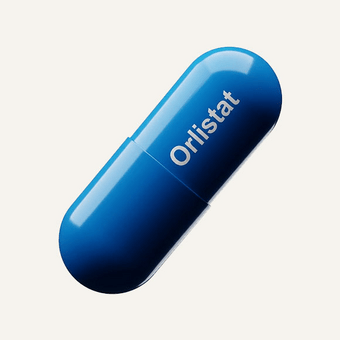
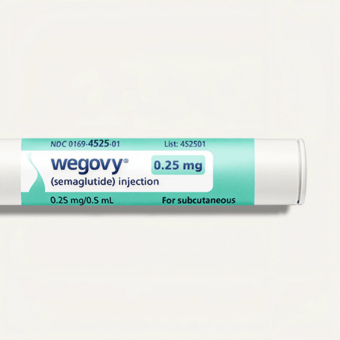
Falling outside the licence for liraglutide does not mean nothing is available. The NHS names several medicines used for weight management, including semaglutide, tirzepatide and orlistat, each with its own criteria.3 It also describes weight-management programmes available by self-referral or GP referral, specialist services, and surgery for people meeting particular thresholds.3 A GP appointment is the way into all of that.
And the half of the plan that never depended on eligibility is available immediately. The NHS reference points are 150 minutes of moderate activity a week or 75 minutes of vigorous activity, plus muscle-strengthening work on at least two days, with long periods of sitting broken up.6 The licence describes liraglutide as an adjunct to a reduced-calorie diet and increased physical activity, which means that side of it is doing real work whether or not a medicine is ever involved.1
Falling outside the licence for liraglutide does not mean nothing is available. The NHS names several medicines used for weight management, including semaglutide, tirzepatide and orlistat, each with its own criteria.3 It also describes weight-management programmes available by self-referral or GP referral, specialist services, and surgery for people meeting particular thresholds.3 A GP appointment is the way into all of that.
And the half of the plan that never depended on eligibility is available immediately. The NHS reference points are 150 minutes of moderate activity a week or 75 minutes of vigorous activity, plus muscle-strengthening work on at least two days, with long periods of sitting broken up.6 The licence describes liraglutide as an adjunct to a reduced-calorie diet and increased physical activity, which means that side of it is doing real work whether or not a medicine is ever involved.1
Common questions
My BMI is 27.5. Am I eligible?
Only if you also have at least one weight-related condition, since the 27 to under 30 band requires one. The product information gives dysglycaemia, hypertension, dyslipidaemia and obstructive sleep apnoea as examples.1 At 27.5 with none of those, liraglutide is not licensed for you. It is worth checking your actual records before concluding either way, because treated high blood pressure, a flagged cholesterol result or a raised HbA1c all count and people often do not think of them as conditions. If you are from a South Asian, Chinese, other Asian, Middle Eastern, Black African or African-Caribbean background, note that the NHS applies lower weight-category thresholds, though the licensed figures themselves do not change.2Does the adolescent indication apply to my child?
There is an indication from age 12, for obesity by adult BMI equivalents with a body weight above 60 kg, and it carries a different stopping rule based on a 4% fall in BMI or BMI z-score after 12 weeks at 3.0 mg or the maximum tolerated dose.1 Treatment in that age group is a specialist decision rather than something to arrange through a general route, and it belongs with a paediatric or specialist weight-management service. Start with your GP, who can refer appropriately.3I had pancreatitis years ago. Does that still count?
Yes. The product information lists a history of pancreatitis among the situations where liraglutide is not recommended, and it does not attach a time limit to that.1 There is a reason it is treated seriously: acute pancreatitis has been reported with GLP-1 medicines, and the patient leaflet instructs anyone with severe, persistent abdominal pain that may reach through to the back to stop the medicine and contact a doctor immediately.4 Declare it, and let the prescriber weigh it. Leaving it out removes exactly the information the decision needs.Can I be prescribed it if I am trying to lose a small amount of weight?
Not if you fall below the licensed thresholds, and this is one of the clearer lines in the licence. Liraglutide is indicated at a BMI of 30 or above, or 27 to under 30 with a weight-related condition, and it is not licensed as a general tool for reaching a target weight.1 It is also not recommended alongside other weight-loss products, so combining approaches is not a route around the criteria either.1 If your BMI sits below the threshold, a GP conversation about activity, diet and any underlying issues is a more useful place to spend the effort.36Will a private service assess me differently?
The licensed criteria are the same whoever prescribes, so a properly run private assessment should reach the same conclusion a GP would on the clinical question. What genuinely differs is NHS funding eligibility, which is set separately from the licence and varies by nation, so you can be licensed for treatment without being funded for it locally. If a service appears to apply a looser clinical bar than the licence describes, that is a reason to look elsewhere rather than a stroke of luck.1Your next step
Get an accurate height and weight and work out your BMI, then check it against the two bands rather than against the NHS weight categories, which are different figures doing a different job.12
If you land in the 27 to under 30 band, dig out your last blood pressure and blood test results before anything else, because that is what decides it.1
Then read the not-recommended list slowly against your own history, and if anything on it applies, raise it with a GP rather than working around it.1
If you land in the 27 to under 30 band, dig out your last blood pressure and blood test results before anything else, because that is what decides it.1
Then read the not-recommended list slowly against your own history, and if anything on it applies, raise it with a GP rather than working around it.1
Important information
This guide is for general information only and does not constitute medical advice, diagnosis or treatment. The information here describes general clinical context based on UK regulatory sources cited above; it is not a recommendation for any specific medicine or treatment, which can only be made by a prescriber following individual assessment.
If you are considering treatment, speak to your GP or pharmacist, or arrange a consultation with a Cloud Pharmacy clinician. Prescription-only medicines are issued only after clinical assessment and where appropriate.
If you experience side effects from any medicine, you can report them through the Yellow Card scheme at yellowcard.mhra.gov.uk.
References used in this guide:
If you are considering treatment, speak to your GP or pharmacist, or arrange a consultation with a Cloud Pharmacy clinician. Prescription-only medicines are issued only after clinical assessment and where appropriate.
If you experience side effects from any medicine, you can report them through the Yellow Card scheme at yellowcard.mhra.gov.uk.
References used in this guide:
- Source: electronic Medicines Compendium (medicines.org.uk).
- Source: NHS website (nhs.uk).
- Source: NHS Specialist Pharmacy Service (sps.nhs.uk).
References
- Nevolat 6 mg/ml solution for injection SmPC
- NHS, Obesity
- NHS, Obesity, treatment
- Nevolat 6 mg/ml patient information leaflet
- NHS Specialist Pharmacy Service, Considerations and interactions with GLP-1 receptor agonists
- NHS, Physical activity guidelines for adults aged 19 to 64
- NICE NG246, Overweight and obesity management (medicines table)

Fahmida Kadir
Deputy Superintendent Pharmacist
Start Your Free Consultation
Complete our online questionnaire so our clinical team can check eligibility for the desired treatment.
- Takes less than 5 minutes to complete
- Reviewed by our UK-based medical team
- Approved treatments dispatched same day (before 3pm)

Review Date13 September 2026
Next Review13 September 2027
Published On13 September 2026
Last Update13 September 2026
Related guides
Am I Eligible
Am I Eligible for Mounjaro?
What you can establish yourself before a consultation, what only a clinician can determine, and why a service that approves you instantly has...
Read more ›Age Limits for
Age Limits for Weight Loss Medication in the UK
What each UK weight management medicine says about minimum age, adolescents, older adults and where the data runs out, drawn from the SmPCs and...
Read more ›GLP-1 vs Dual
GLP-1 vs Dual GIP/GLP-1 Medicines Explained
What separates a GLP-1 receptor agonist from a dual GIP/GLP-1 agonist, how the licensed criteria and NHS access differ, and how a prescriber...
Read more ›Related treatments
Clinically proven, pharmacist-reviewed weight loss treatments.