











Age Limits for Weight Loss Medication in the UK

Updated 13th September 2026
"Is there an age limit?" is a question with three different answers depending on which end you are asking about, and which medicine.
At the younger end, the boundaries are set by the licence and by NICE, and they differ from product to product. At the older end there is rarely a hard cut-off, but there are points where the product information says, in effect, that experience runs thin. Those two situations need reading differently.
This guide sets out what each UK Summary of Product Characteristics actually says, what NICE adds for children and young people, and what the age statements mean in practice.
At the younger end, the boundaries are set by the licence and by NICE, and they differ from product to product. At the older end there is rarely a hard cut-off, but there are points where the product information says, in effect, that experience runs thin. Those two situations need reading differently.
This guide sets out what each UK Summary of Product Characteristics actually says, what NICE adds for children and young people, and what the age statements mean in practice.
The younger end, medicine by medicine
The licences are not consistent with each other, which surprises people who assume these medicines behave as a class.
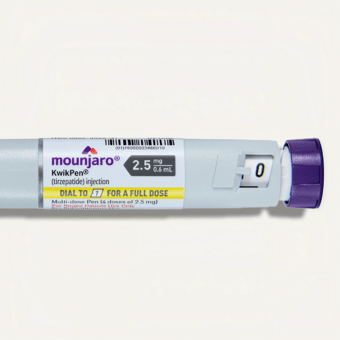
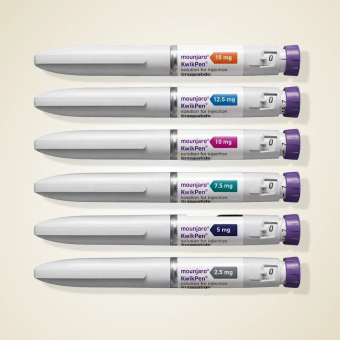
Tirzepatide. For weight management, the SmPC states that safety and efficacy have not been established in children and adolescents aged less than 18 years.1 Separately, its type 2 diabetes indication does cover adults, adolescents and children aged 10 years and above, with maintenance doses of 5 or 10 mg and a maximum of 10 mg once weekly in that group.1 Two different indications, two different age boundaries.
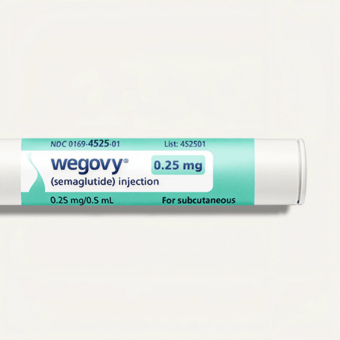
Semaglutide for weight management. Wegovy is indicated as an adjunct to a reduced-calorie diet and increased physical activity for weight management in adolescents aged 12 years and above who have obesity, defined as a BMI at or above the 95th percentile on sex- and age-specific growth charts, and a body weight above 60 kg.2 For adolescents, the same dose escalation schedule as for adults applies, increasing until the 2.4 mg maintenance dose or maximum tolerated dose is reached, with weekly doses above 2.4 mg not recommended.2 Treatment should be discontinued and re-evaluated if an adolescent has not reduced their BMI by at least 5% after 12 weeks on the 2.4 mg or maximum tolerated dose.2 Safety and efficacy in children below 12 years have not been established.2
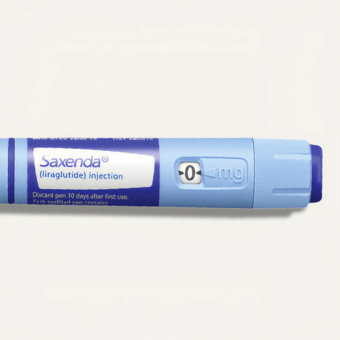
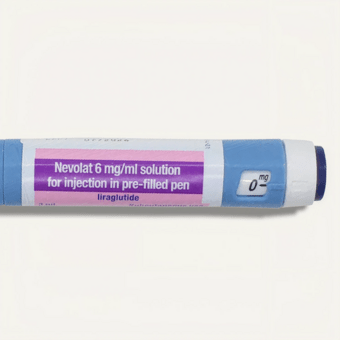
Liraglutide. The Saxenda SmPC states that no dose adjustment is required for adolescents from the age of 12 years and above, applying a similar escalation schedule as for adults up to the 3.0 mg maintenance dose or maximum tolerated dose, with daily doses higher than 3.0 mg not recommended.3 Safety and efficacy in children below 12 years have not been established.3
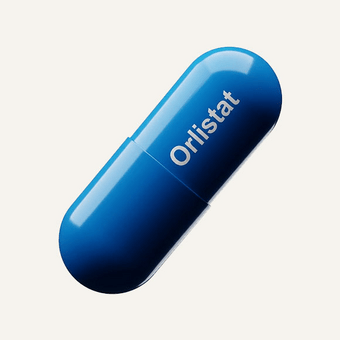
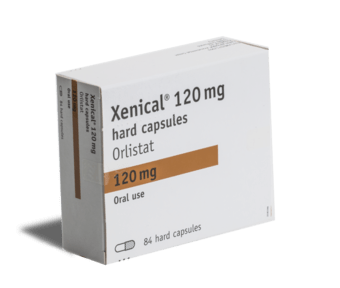
Orlistat 120 mg. The Xenical SmPC states there is no relevant indication for use in children.4
Orlistat 60 mg. The alli SmPC states it is indicated for weight loss in adults who are overweight with a BMI of 28 kg/m² or above, and that safety and efficacy in children below 18 years of age have not been established, with no data available.5
The practical summary: two of the injectable medicines carry adolescent indications from age 12, tirzepatide does not for weight management, and neither orlistat product is for children.
Tirzepatide. For weight management, the SmPC states that safety and efficacy have not been established in children and adolescents aged less than 18 years.1 Separately, its type 2 diabetes indication does cover adults, adolescents and children aged 10 years and above, with maintenance doses of 5 or 10 mg and a maximum of 10 mg once weekly in that group.1 Two different indications, two different age boundaries.
Semaglutide for weight management. Wegovy is indicated as an adjunct to a reduced-calorie diet and increased physical activity for weight management in adolescents aged 12 years and above who have obesity, defined as a BMI at or above the 95th percentile on sex- and age-specific growth charts, and a body weight above 60 kg.2 For adolescents, the same dose escalation schedule as for adults applies, increasing until the 2.4 mg maintenance dose or maximum tolerated dose is reached, with weekly doses above 2.4 mg not recommended.2 Treatment should be discontinued and re-evaluated if an adolescent has not reduced their BMI by at least 5% after 12 weeks on the 2.4 mg or maximum tolerated dose.2 Safety and efficacy in children below 12 years have not been established.2
Liraglutide. The Saxenda SmPC states that no dose adjustment is required for adolescents from the age of 12 years and above, applying a similar escalation schedule as for adults up to the 3.0 mg maintenance dose or maximum tolerated dose, with daily doses higher than 3.0 mg not recommended.3 Safety and efficacy in children below 12 years have not been established.3
Orlistat 120 mg. The Xenical SmPC states there is no relevant indication for use in children.4
Orlistat 60 mg. The alli SmPC states it is indicated for weight loss in adults who are overweight with a BMI of 28 kg/m² or above, and that safety and efficacy in children below 18 years of age have not been established, with no data available.5
The practical summary: two of the injectable medicines carry adolescent indications from age 12, tirzepatide does not for weight management, and neither orlistat product is for children.
What NICE adds for children and young people
NICE's position is more cautious than the licences alone, and it is worth reading alongside them.
Weight management medicines are not generally recommended for children younger than 12 years.6 In children younger than 12, medicines may be used only in exceptional circumstances if severe comorbidities are present, and prescribing should be started and monitored only in specialist paediatric settings.6
For children aged 12 and older, NICE says treatment with orlistat is recommended only if physical comorbidities such as orthopaedic problems or sleep apnoea, or severe psychological comorbidities, are present, and only if started in a specialist paediatric setting by a multidisciplinary team with expertise in prescribing in this age group, monitoring medicines, psychological support, behavioural interventions, interventions to increase physical activity and interventions to improve dietary intake.6 NICE notes that as of June 2023 this was an off-label use of orlistat.6 Where orlistat is prescribed for children and young people, a 6 to 12-month trial is recommended, with regular review to assess effectiveness, adverse effects and adherence.6
Medicines may be continued in primary care, for example with a shared-care protocol, if local circumstances or licensing allow.6
NICE also asks that additional care is taken in conversations with young people, thinking about their vulnerability to eating disorders and the impact of measuring their weight, and tailoring conversations to their age, maturity and level of understanding so they can be involved in decisions about their healthcare.7
The headline for parents: this is specialist territory, not a private online purchase, and NICE frames it that way deliberately.
Considering treatment for weight management? You can start an assessment with a Cloud Pharmacy clinician, who will review your medical history and confirm whether treatment is appropriate.
Weight management medicines are not generally recommended for children younger than 12 years.6 In children younger than 12, medicines may be used only in exceptional circumstances if severe comorbidities are present, and prescribing should be started and monitored only in specialist paediatric settings.6
For children aged 12 and older, NICE says treatment with orlistat is recommended only if physical comorbidities such as orthopaedic problems or sleep apnoea, or severe psychological comorbidities, are present, and only if started in a specialist paediatric setting by a multidisciplinary team with expertise in prescribing in this age group, monitoring medicines, psychological support, behavioural interventions, interventions to increase physical activity and interventions to improve dietary intake.6 NICE notes that as of June 2023 this was an off-label use of orlistat.6 Where orlistat is prescribed for children and young people, a 6 to 12-month trial is recommended, with regular review to assess effectiveness, adverse effects and adherence.6
Medicines may be continued in primary care, for example with a shared-care protocol, if local circumstances or licensing allow.6
NICE also asks that additional care is taken in conversations with young people, thinking about their vulnerability to eating disorders and the impact of measuring their weight, and tailoring conversations to their age, maturity and level of understanding so they can be involved in decisions about their healthcare.7
The headline for parents: this is specialist territory, not a private online purchase, and NICE frames it that way deliberately.
Considering treatment for weight management? You can start an assessment with a Cloud Pharmacy clinician, who will review your medical history and confirm whether treatment is appropriate.
The older end
There is no upper age cut-off in these licences, but there are statements about where experience thins out, and they differ.
Semaglutide. No dose adjustment is required based on age, and therapeutic experience in patients aged 85 years and over is limited.2 The SmPC also records, from the SELECT cardiovascular outcomes trial in adults, more fractures of the hip and pelvis on Wegovy than on placebo in female patients, at 1.0% versus 0.2%, and in patients aged 75 years and older, at 2.4% versus 0.6%.2
Liraglutide. No dose adjustment is required based on age, but therapeutic experience in patients aged 75 years and over is limited and use in these patients is not recommended.3 That is the firmest statement of the group.
Tirzepatide. Only very limited data are available from patients aged 85 years and over.1
Orlistat 60 mg. There are limited data on use in the elderly, but as orlistat is minimally absorbed, no dose adjustment is necessary.5
Orlistat 120 mg. The effect of orlistat in elderly patients has not been studied.4
The pattern is worth understanding. "Limited experience" is not the same as "contraindicated". It means the trial populations contained fewer people of that age, so the certainty behind the safety and efficacy figures is lower. That is a reason for a careful individual assessment, not an automatic no, with the exception of liraglutide over 75, where the SmPC says use is not recommended.3
Semaglutide. No dose adjustment is required based on age, and therapeutic experience in patients aged 85 years and over is limited.2 The SmPC also records, from the SELECT cardiovascular outcomes trial in adults, more fractures of the hip and pelvis on Wegovy than on placebo in female patients, at 1.0% versus 0.2%, and in patients aged 75 years and older, at 2.4% versus 0.6%.2
Liraglutide. No dose adjustment is required based on age, but therapeutic experience in patients aged 75 years and over is limited and use in these patients is not recommended.3 That is the firmest statement of the group.
Tirzepatide. Only very limited data are available from patients aged 85 years and over.1
Orlistat 60 mg. There are limited data on use in the elderly, but as orlistat is minimally absorbed, no dose adjustment is necessary.5
Orlistat 120 mg. The effect of orlistat in elderly patients has not been studied.4
The pattern is worth understanding. "Limited experience" is not the same as "contraindicated". It means the trial populations contained fewer people of that age, so the certainty behind the safety and efficacy figures is lower. That is a reason for a careful individual assessment, not an automatic no, with the exception of liraglutide over 75, where the SmPC says use is not recommended.3
| Medicine | Younger end | Older end |
|---|---|---|
| Tirzepatide (weight management) | Not established under 181 | Only very limited data from age 85 and over1 |
| Semaglutide (Wegovy) | From 12 years with obesity and weight over 60 kg2 | No dose adjustment by age; limited experience from 85 and over2 |
| Liraglutide (Saxenda) | From 12 years, no dose adjustment3 | Limited experience from 75; use not recommended3 |
| Orlistat 120 mg | No relevant indication in children4 | Effect in elderly patients not studied4 |
| Orlistat 60 mg | Not established under 185 | Limited data; no dose adjustment needed5 |
Why "limited experience" matters more with age
Two things tend to accumulate with age, and both interact with this class of medicine.
Other medicines. These medicines delay gastric emptying with the potential to affect the rate of absorption of other oral medicines, and the more medicines someone takes, the more relevant that becomes.1 NICE separately asks clinicians to be mindful of how any medicines a person is taking may affect their weight or appetite.7
Reduced physiological reserve. The SmPCs warn that gastrointestinal reactions may lead to dehydration, which could lead to a deterioration in renal function including acute renal failure.12 A week of vomiting is a different event at 78 than at 38, particularly alongside a diuretic.
There is also a nutritional consideration NICE names directly. If there is concern about micronutrient intake adequacy, consider a supplement providing the reference nutrient intake for all vitamins and minerals, particularly for older people who may be at risk of malnutrition and young people who need vitamins and minerals for growth and development.6 That recommendation names both ends of the age range for a reason.
Other medicines. These medicines delay gastric emptying with the potential to affect the rate of absorption of other oral medicines, and the more medicines someone takes, the more relevant that becomes.1 NICE separately asks clinicians to be mindful of how any medicines a person is taking may affect their weight or appetite.7
Reduced physiological reserve. The SmPCs warn that gastrointestinal reactions may lead to dehydration, which could lead to a deterioration in renal function including acute renal failure.12 A week of vomiting is a different event at 78 than at 38, particularly alongside a diuretic.
There is also a nutritional consideration NICE names directly. If there is concern about micronutrient intake adequacy, consider a supplement providing the reference nutrient intake for all vitamins and minerals, particularly for older people who may be at risk of malnutrition and young people who need vitamins and minerals for growth and development.6 That recommendation names both ends of the age range for a reason.
Kidney and liver function, which often travel with age
These are not age limits, but they are the statements most likely to be relevant in older adults, and they differ between products.
Semaglutide. No dose adjustment is required for mild, moderate or severe renal impairment, experience in severe renal impairment is limited, and it is not recommended in end-stage renal disease.2 No dose adjustment is required for hepatic impairment, with limited experience in severe hepatic impairment and caution advised.2
Liraglutide. No dose adjustment for mild or moderate renal impairment, and not recommended in severe renal impairment including end-stage renal disease.3 No dose adjustment for mild or moderate hepatic impairment, not recommended in severe hepatic impairment, and caution in mild or moderate.3
Tirzepatide. Experience in patients with severe renal impairment and end-stage renal disease is limited, and caution should be exercised. The same applies to severe hepatic impairment.1
These are the sorts of details that make a blood test result more relevant to the decision than a date of birth.
Semaglutide. No dose adjustment is required for mild, moderate or severe renal impairment, experience in severe renal impairment is limited, and it is not recommended in end-stage renal disease.2 No dose adjustment is required for hepatic impairment, with limited experience in severe hepatic impairment and caution advised.2
Liraglutide. No dose adjustment for mild or moderate renal impairment, and not recommended in severe renal impairment including end-stage renal disease.3 No dose adjustment for mild or moderate hepatic impairment, not recommended in severe hepatic impairment, and caution in mild or moderate.3
Tirzepatide. Experience in patients with severe renal impairment and end-stage renal disease is limited, and caution should be exercised. The same applies to severe hepatic impairment.1
These are the sorts of details that make a blood test result more relevant to the decision than a date of birth.
What this means in practice
Three practical conclusions follow.
For adults of ordinary working age, none of this is the limiting factor. Eligibility runs through BMI, weight-related conditions and the rest of your medical history.
For adolescents, the route is a specialist one. Two of the injectable medicines carry indications from age 12 with specific criteria, and NICE places prescribing for under-12s in specialist paediatric settings in exceptional circumstances only.236 A parent's route to this is a GP conversation and a referral, not a private purchase.
For older adults, the question is not age itself but the individual picture: kidney and liver function, other medicines, fall and fracture risk, nutritional status, and how well any gastrointestinal effects would be tolerated. The one place where the product information gives a specific steer is liraglutide from age 75, where use is not recommended.3
For adults of ordinary working age, none of this is the limiting factor. Eligibility runs through BMI, weight-related conditions and the rest of your medical history.
For adolescents, the route is a specialist one. Two of the injectable medicines carry indications from age 12 with specific criteria, and NICE places prescribing for under-12s in specialist paediatric settings in exceptional circumstances only.236 A parent's route to this is a GP conversation and a referral, not a private purchase.
For older adults, the question is not age itself but the individual picture: kidney and liver function, other medicines, fall and fracture risk, nutritional status, and how well any gastrointestinal effects would be tolerated. The one place where the product information gives a specific steer is liraglutide from age 75, where use is not recommended.3
Common questions
Can a teenager be prescribed these medicines?
Two of them carry adolescent indications. Wegovy is indicated for weight management in adolescents aged 12 and above with obesity defined as a BMI at or above the 95th percentile and a body weight above 60 kg, with treatment discontinued and re-evaluated if BMI has not reduced by at least 5% after 12 weeks on the 2.4 mg or maximum tolerated dose.2 Saxenda requires no dose adjustment for adolescents aged 12 and above.3 Tirzepatide's weight management indication is not established under 18.1 NICE places all of this within specialist care and asks for particular sensitivity in conversations with young people.67Is there a maximum age?
Not a hard one in most of the licences, but there are limits on experience. Liraglutide is the exception: therapeutic experience in patients aged 75 and over is limited and use in these patients is not recommended.3 Semaglutide requires no dose adjustment based on age, with limited experience from 85 and over.2 Tirzepatide has only very limited data from patients aged 85 and over.1 For older adults the decision turns on kidney and liver function, other medicines and overall health rather than on a birthday.Why does one medicine cover 12-year-olds and another does not?
Because each licence reflects the trials that were actually done for that product and that indication. An indication in adolescents requires evidence in adolescents, and where that evidence has not been generated the SmPC says safety and efficacy have not been established.1 It is a statement about what has been studied rather than a judgement that the medicine would be unsafe.My parent is in their late seventies. Should they avoid this?
Not automatically, but the assessment matters more. For liraglutide specifically, the SmPC says use is not recommended in patients aged 75 and over.3 For the others, the considerations are kidney and liver function, other medicines, the risk that gastrointestinal effects lead to dehydration and a deterioration in renal function, and nutritional status, where NICE flags older people as potentially at risk of malnutrition.126 The Wegovy SmPC also records more hip and pelvis fractures in patients aged 75 and older in the SELECT trial.2 All of that is for a prescriber to weigh individually.Does the NHS have its own age criteria?
The NHS criteria sit on top of the licensed ones rather than replacing them, and NICE's table sets out the settings and criteria for each medicine in adults.6 For children and young people, NICE's position is that weight management medicines are not generally recommended under 12, may be used under 12 only in exceptional circumstances with severe comorbidities in specialist paediatric settings, and that orlistat in those aged 12 and over is recommended only with specific comorbidities and only when started in a specialist paediatric setting by a multidisciplinary team.6 The route in every case is through a GP.8Your next step
If the question is about yourself as an adult, age is unlikely to be the deciding factor. Take your current BMI, your medicines list and any recent kidney or liver blood tests to your assessment, since those are the details that actually shape the decision.123
If the question is about a child or teenager, book a GP appointment and ask about referral rather than looking at private routes. NICE places this firmly in specialist paediatric care, with multidisciplinary input covering prescribing, monitoring, psychological support and behavioural and dietary interventions.6
And if the question is about an older relative, ask specifically about kidney function, other medicines and fall risk at the assessment, and mention their age directly so the limited-experience statements in the product information are part of the conversation.123
If the question is about a child or teenager, book a GP appointment and ask about referral rather than looking at private routes. NICE places this firmly in specialist paediatric care, with multidisciplinary input covering prescribing, monitoring, psychological support and behavioural and dietary interventions.6
And if the question is about an older relative, ask specifically about kidney function, other medicines and fall risk at the assessment, and mention their age directly so the limited-experience statements in the product information are part of the conversation.123
Important information
This guide is for general information only and does not constitute medical advice, diagnosis or treatment. The information here describes general clinical context based on UK regulatory sources cited above; it is not a recommendation for any specific medicine or treatment, which can only be made by a prescriber following individual assessment.
If you are considering treatment, speak to your GP or pharmacist, or arrange a consultation with a Cloud Pharmacy clinician. Prescription-only medicines are issued only after clinical assessment and where appropriate.
If you experience side effects from any medicine, you can report them through the Yellow Card scheme at yellowcard.mhra.gov.uk.
References used in this guide:
If you are considering treatment, speak to your GP or pharmacist, or arrange a consultation with a Cloud Pharmacy clinician. Prescription-only medicines are issued only after clinical assessment and where appropriate.
If you experience side effects from any medicine, you can report them through the Yellow Card scheme at yellowcard.mhra.gov.uk.
References used in this guide:
- Source: electronic Medicines Compendium (medicines.org.uk).
- Contains public sector information licensed under the Open Government Licence v3.0.
- Source: NHS website (nhs.uk).
References

Fahmida Kadir
Deputy Superintendent Pharmacist
Start Your Free Consultation
Complete our online questionnaire so our clinical team can check eligibility for the desired treatment.
- Takes less than 5 minutes to complete
- Reviewed by our UK-based medical team
- Approved treatments dispatched same day (before 3pm)

Review Date13 September 2026
Next Review13 September 2027
Published On13 September 2026
Last Update13 September 2026
Related guides
Am I Eligible
Am I Eligible for Nevolat?
The licensed criteria for liraglutide treatment, set out precisely: the BMI thresholds, the weight-related conditions that lower them, and the...
Read more ›Alcohol and Maintaining
Alcohol and Maintaining Your Weight
How alcohol fits into weight maintenance, the NHS unit guidance and what it means in real drinks, and the indirect effects that matter as much...
Read more ›GLP-1 vs Dual
GLP-1 vs Dual GIP/GLP-1 Medicines Explained
What separates a GLP-1 receptor agonist from a dual GIP/GLP-1 agonist, how the licensed criteria and NHS access differ, and how a prescriber...
Read more ›Related treatments
Clinically proven, pharmacist-reviewed weight loss treatments.