











Am I Eligible for Mounjaro?

Updated 13th September 2026
You can do a useful amount of this yourself, and you cannot do the part that actually decides it. Knowing which is which saves time and stops you drawing the wrong conclusion from an online form.
What you can establish: whether you meet the licensed criteria on paper, and roughly what the NHS position is where you live. That is worth doing before any consultation, because it tells you which conversation you are having.
What you cannot establish: whether this medicine is appropriate for you. That depends on your full history, your other medicines and a clinician's judgement, and no self-check reaches it.
And a warning that belongs at the top rather than buried: if an online service tells you that you are eligible within seconds of a form, it has not checked. Eligibility is the output of an assessment, not a lookup.
What you can establish: whether you meet the licensed criteria on paper, and roughly what the NHS position is where you live. That is worth doing before any consultation, because it tells you which conversation you are having.
What you cannot establish: whether this medicine is appropriate for you. That depends on your full history, your other medicines and a clinician's judgement, and no self-check reaches it.
And a warning that belongs at the top rather than buried: if an online service tells you that you are eligible within seconds of a form, it has not checked. Eligibility is the output of an assessment, not a lookup.
What you can work out yourself
Two things, and they are quick.
Your BMI. The licensed indication for weight management applies to adults with an initial Body Mass Index of 30 kg/m² or above, which is classed as obesity, or 27 kg/m² to under 30 kg/m², classed as overweight, where at least one weight-related comorbid condition is present.1
Note the word initial. It refers to your BMI at the point treatment begins, not a level you must maintain.1
Whether you have a weight-related condition. This only matters if your BMI falls between 27 and just under 30, where at least one is required. The examples the product information gives are hypertension, dyslipidaemia, obstructive sleep apnoea, cardiovascular disease, prediabetes and type 2 diabetes.1
If your BMI is 30 or above, no accompanying condition is required for the licensed indication.
That is genuinely the whole of what you can determine unaided, and it establishes only whether the medicine could be prescribed to someone in your position, not whether it should be prescribed to you.
Your BMI. The licensed indication for weight management applies to adults with an initial Body Mass Index of 30 kg/m² or above, which is classed as obesity, or 27 kg/m² to under 30 kg/m², classed as overweight, where at least one weight-related comorbid condition is present.1
Note the word initial. It refers to your BMI at the point treatment begins, not a level you must maintain.1
Whether you have a weight-related condition. This only matters if your BMI falls between 27 and just under 30, where at least one is required. The examples the product information gives are hypertension, dyslipidaemia, obstructive sleep apnoea, cardiovascular disease, prediabetes and type 2 diabetes.1
If your BMI is 30 or above, no accompanying condition is required for the licensed indication.
That is genuinely the whole of what you can determine unaided, and it establishes only whether the medicine could be prescribed to someone in your position, not whether it should be prescribed to you.
Where NHS access sits, which is separate again
A point that catches many people: meeting the licensed criteria does not mean the NHS will fund treatment, and the criteria differ by nation.
England. NICE recommends tirzepatide for adults with an initial BMI of at least 35 kg/m² and at least one weight-related comorbidity, prescribed either in primary care or a specialist overweight and obesity management service.6 Lower BMI thresholds, usually reduced by 2.5 kg/m², apply for people from South Asian, Chinese, other Asian, Middle Eastern, Black African or African-Caribbean ethnic backgrounds.6 Treatment is reviewed at six months, and whether to continue is decided based on whether at least 5% of initial weight has been lost on the highest tolerated dose.6
Scotland. Tirzepatide "is accepted for restricted use within NHSScotland", for adults with a BMI of 30 kg/m² or above and at least one weight-related comorbidity, with the note that lower BMI thresholds may be appropriate for certain minority ethnic groups at equivalent obesity risk. This is contingent on supply under an approved NHSScotland Patient Access Scheme.4
Wales. The interim position is that "tirzepatide, semaglutide and liraglutide, for weight loss should only be prescribed through specialist weight management services in the NHS in Wales", as part of a phased implementation. The criteria cited are a BMI of at least 35 kg/m², or a threshold usually reduced by 2.5 kg/m² for people from South Asian, Chinese, other Asian, Middle Eastern, Black African or African-Caribbean ethnic backgrounds, with at least one weight-related comorbidity.5
More generally, the NHS describes weight-loss medicines as available "Depending on your BMI, and if you have any other health conditions affected by your weight", prescribed alongside diet and lifestyle advice.2
So a BMI of 32 with hypertension meets the licence and the Scottish restriction, but sits below the BMI 35 threshold that NICE sets for England and that the Welsh circular cites. Same person, different answer by nation.
Considering treatment for weight management? You can start an assessment with a Cloud Pharmacy clinician, who will review your medical history and confirm whether treatment is appropriate.
England. NICE recommends tirzepatide for adults with an initial BMI of at least 35 kg/m² and at least one weight-related comorbidity, prescribed either in primary care or a specialist overweight and obesity management service.6 Lower BMI thresholds, usually reduced by 2.5 kg/m², apply for people from South Asian, Chinese, other Asian, Middle Eastern, Black African or African-Caribbean ethnic backgrounds.6 Treatment is reviewed at six months, and whether to continue is decided based on whether at least 5% of initial weight has been lost on the highest tolerated dose.6
Scotland. Tirzepatide "is accepted for restricted use within NHSScotland", for adults with a BMI of 30 kg/m² or above and at least one weight-related comorbidity, with the note that lower BMI thresholds may be appropriate for certain minority ethnic groups at equivalent obesity risk. This is contingent on supply under an approved NHSScotland Patient Access Scheme.4
Wales. The interim position is that "tirzepatide, semaglutide and liraglutide, for weight loss should only be prescribed through specialist weight management services in the NHS in Wales", as part of a phased implementation. The criteria cited are a BMI of at least 35 kg/m², or a threshold usually reduced by 2.5 kg/m² for people from South Asian, Chinese, other Asian, Middle Eastern, Black African or African-Caribbean ethnic backgrounds, with at least one weight-related comorbidity.5
More generally, the NHS describes weight-loss medicines as available "Depending on your BMI, and if you have any other health conditions affected by your weight", prescribed alongside diet and lifestyle advice.2
So a BMI of 32 with hypertension meets the licence and the Scottish restriction, but sits below the BMI 35 threshold that NICE sets for England and that the Welsh circular cites. Same person, different answer by nation.
Considering treatment for weight management? You can start an assessment with a Cloud Pharmacy clinician, who will review your medical history and confirm whether treatment is appropriate.
What only a clinician can determine
This is the part that decides it, and none of it is visible from a BMI figure.
Whether anything rules it out or calls for caution. The listed contraindication is hypersensitivity to the active substance or excipients.1 Beyond that, the product information advises caution where there is a history of pancreatitis, in severe gastrointestinal disease including severe gastroparesis, and in non-proliferative diabetic retinopathy requiring acute therapy, proliferative diabetic retinopathy or diabetic macular oedema.1
Your pregnancy and contraception position. The medicine should not be used during pregnancy and is not recommended in women of childbearing potential not using contraception, and there is specific contraceptive advice for those taking oral contraceptives.1
Your other medicines. Tirzepatide affects the absorption of oral medicines, and hypoglycaemia risk is increased alongside insulin or a sulphonylurea, where the product information notes the risk may be lowered by reducing the dose of those medicines.1
Whether treatment is practical for you, including whether follow-up can happen, since the dose is titrated with increases at minimum four-week intervals.1
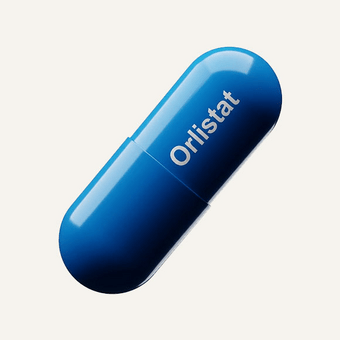
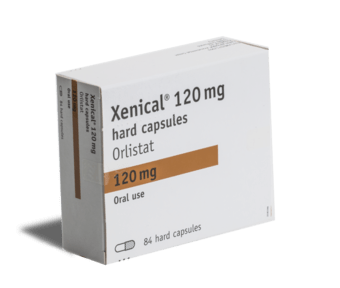
Whether something else would serve you better. The NHS lists dietary change and increased physical activity, other medicines such as orlistat, referral to specialist weight management services, and weight-loss surgery for those meeting its criteria of BMI 40 or over, or 35 or over with other health conditions, with lower thresholds for people from South Asian and certain other backgrounds.2
Whether anything rules it out or calls for caution. The listed contraindication is hypersensitivity to the active substance or excipients.1 Beyond that, the product information advises caution where there is a history of pancreatitis, in severe gastrointestinal disease including severe gastroparesis, and in non-proliferative diabetic retinopathy requiring acute therapy, proliferative diabetic retinopathy or diabetic macular oedema.1
Your pregnancy and contraception position. The medicine should not be used during pregnancy and is not recommended in women of childbearing potential not using contraception, and there is specific contraceptive advice for those taking oral contraceptives.1
Your other medicines. Tirzepatide affects the absorption of oral medicines, and hypoglycaemia risk is increased alongside insulin or a sulphonylurea, where the product information notes the risk may be lowered by reducing the dose of those medicines.1
Whether treatment is practical for you, including whether follow-up can happen, since the dose is titrated with increases at minimum four-week intervals.1
Whether something else would serve you better. The NHS lists dietary change and increased physical activity, other medicines such as orlistat, referral to specialist weight management services, and weight-loss surgery for those meeting its criteria of BMI 40 or over, or 35 or over with other health conditions, with lower thresholds for people from South Asian and certain other backgrounds.2
Why instant approval is the warning sign
If a form returns "you are eligible" immediately, consider what it can possibly have done.
It has compared a number you typed against a threshold. It has not weighed a history of pancreatitis, checked what else you take, considered whether you might be pregnant, or made any judgement at all. The NHS position is that prescription-only medicines "must be prescribed by a qualified health professional".3
A real assessment has two features an eligibility checker does not. Someone clinical looks at it, and the answer can be no.
Being told no is not a failure of the process; it is the process working. And it should come with a reason and, ideally, an alternative.
Before using any online service, check that the pharmacy is registered with the General Pharmaceutical Council, and that any separate online doctor service is registered with the Care Quality Commission and the General Medical Council.3 The NHS notes that many websites selling medicines are not registered as pharmacies, which makes buying from them potentially unsafe.3
It has compared a number you typed against a threshold. It has not weighed a history of pancreatitis, checked what else you take, considered whether you might be pregnant, or made any judgement at all. The NHS position is that prescription-only medicines "must be prescribed by a qualified health professional".3
A real assessment has two features an eligibility checker does not. Someone clinical looks at it, and the answer can be no.
Being told no is not a failure of the process; it is the process working. And it should come with a reason and, ideally, an alternative.
Before using any online service, check that the pharmacy is registered with the General Pharmaceutical Council, and that any separate online doctor service is registered with the Care Quality Commission and the General Medical Council.3 The NHS notes that many websites selling medicines are not registered as pharmacies, which makes buying from them potentially unsafe.3
Eligibility is not a one-off verdict
Worth understanding, because people treat it as a permanent status and it is not.
It can change in your favour. A condition diagnosed later may bring you within the BMI 27 to under 30 route, which requires at least one weight-related comorbid condition.1 NHS access positions also change: the Welsh circular describes a phased implementation rather than a settled endpoint.5
It can change the other way. Something new in your history, a new medicine, or a pregnancy would all alter the assessment, and the medicine should not be used during pregnancy.1
It is reassessed during treatment, not only at the start. Because the dose is titrated with increases made "if needed" after a minimum of 4 weeks at the current dose, there are decision points throughout, and whether treatment remains appropriate is part of what is being judged.1
Being declined once is not permanent. If the reason was a threshold you narrowly missed, or a situation that has since changed, it is reasonable to ask again.
The practical implication is that a "no" deserves a reason attached to it, because the reason tells you whether anything might change.
It can change in your favour. A condition diagnosed later may bring you within the BMI 27 to under 30 route, which requires at least one weight-related comorbid condition.1 NHS access positions also change: the Welsh circular describes a phased implementation rather than a settled endpoint.5
It can change the other way. Something new in your history, a new medicine, or a pregnancy would all alter the assessment, and the medicine should not be used during pregnancy.1
It is reassessed during treatment, not only at the start. Because the dose is titrated with increases made "if needed" after a minimum of 4 weeks at the current dose, there are decision points throughout, and whether treatment remains appropriate is part of what is being judged.1
Being declined once is not permanent. If the reason was a threshold you narrowly missed, or a situation that has since changed, it is reasonable to ask again.
The practical implication is that a "no" deserves a reason attached to it, because the reason tells you whether anything might change.
How to prepare for a real assessment
Gathering this in advance makes the consultation quicker and the decision better.
Your height and weight, measured rather than estimated. Any diagnosed conditions, particularly those on the weight-related list and anything involving the pancreas, gut or eyes. A full list of your medicines, including anything from a pharmacy without a prescription. Whether you are pregnant, breastfeeding, or might become pregnant, and what contraception you use. Any procedure or operation you have booked. And your GP's details.
Answer all of it fully rather than strategically. Omitting something to improve your chances of approval removes the protection the assessment exists to provide, and the things people are most tempted to leave out, other medicines and existing conditions, are precisely the ones the cautions in the product information turn on.1
Your height and weight, measured rather than estimated. Any diagnosed conditions, particularly those on the weight-related list and anything involving the pancreas, gut or eyes. A full list of your medicines, including anything from a pharmacy without a prescription. Whether you are pregnant, breastfeeding, or might become pregnant, and what contraception you use. Any procedure or operation you have booked. And your GP's details.
Answer all of it fully rather than strategically. Omitting something to improve your chances of approval removes the protection the assessment exists to provide, and the things people are most tempted to leave out, other medicines and existing conditions, are precisely the ones the cautions in the product information turn on.1
| Question | Who can answer it |
|---|---|
| Is my BMI 30+, or 27 to under 30 with a weight-related condition? | You, before any consultation1 |
| Does the NHS fund it where I live? | Broadly you, then confirmed by your GP2645 |
| Does anything rule it out for me? | A clinician, from your full history1 |
| Do my other medicines matter? | A clinician1 |
| Is pregnancy or contraception relevant? | A clinician1 |
| Would something else suit me better? | A clinician2 |
| Am I approved? | Never a form on its own3 |
Common questions
What BMI do I need?
For the licensed indication, an initial BMI of 30 kg/m² or above, or 27 to under 30 kg/m² with at least one weight-related comorbid condition such as hypertension, dyslipidaemia, obstructive sleep apnoea, cardiovascular disease, prediabetes or type 2 diabetes.1 NHS funding criteria are set separately and can be stricter: NICE recommends a BMI of at least 35 with a comorbidity for England, Scotland's restriction is BMI 30 or above with a comorbidity, and the Welsh circular cites at least 35, each usually reduced by 2.5 for several ethnic backgrounds.645 Which figure applies depends on whether you are asking about the licence or about NHS funding.Can an online checker tell me if I am eligible?
It can tell you whether you meet a threshold. It cannot tell you whether the medicine is appropriate for you, and any tool presenting the first as the second is overstating what it has done. Prescription-only medicines must be prescribed by a qualified health professional, which means a clinical judgement based on your full history, your other medicines, and the cautions in the product information.13 Treat an instant approval as a sign that no such judgement has occurred.My BMI is just under 30 and I have no other conditions. Is there anything?
Not this medicine under its licensed indication, which requires a BMI of 30 or above, or 27 to under 30 with at least one weight-related comorbid condition.1 That does not leave you without options. The NHS describes dietary change, increased physical activity, other medicines such as orlistat, and referral to specialist weight management services for people who need extra support.2 A consultation that concludes this medicine is not appropriate should still tell you what is.Will my BMI be checked, or do I just declare it?
A proper assessment establishes it rather than accepting a figure without context, because the licensed indication turns on it.1 More broadly, if a service does not verify anything you tell it and never asks a follow-up question, that tells you about the depth of the assessment. The NHS advice is to check that any online pharmacy is GPhC-registered and any online doctor service is registered with the CQC and GMC before using it.3Should I check with my GP before using an online service?
The NHS thinks so, and says why: "It's best to see your GP before buying medicines online as they know your medical history and can advise you whether the medicine would be suitable."3 That is particularly relevant here, because your GP holds the record of conditions and medicines that the cautions in the product information turn on, including any history of pancreatitis, gastrointestinal disease or diabetic retinopathy.1 Your GP can also tell you whether NHS access applies where you live, which changes the question entirely.2What if I am told no?
Ask why, and ask what would be appropriate instead. Being declined means the assessment worked, and the reason matters: it may be your BMI, a caution in the product information such as a history of pancreatitis or a form of diabetic retinopathy, an interaction with something else you take, or pregnancy.1 Some of those change over time and some do not. The NHS lists several other approaches to weight management, and your GP can advise on NHS routes where you live.2Your next step
Work out your BMI before anything else, since it determines which of the two licensed routes applies and whether a weight-related condition needs to be present.1
Check what applies in your nation rather than relying on a general UK statement, because the Scottish and Welsh criteria differ from each other and from the licence.45
And treat any service that approves you instantly as a reason to check the GPhC register, not a reason to proceed.3
Check what applies in your nation rather than relying on a general UK statement, because the Scottish and Welsh criteria differ from each other and from the licence.45
And treat any service that approves you instantly as a reason to check the GPhC register, not a reason to proceed.3
Important information
This guide is for general information only and does not constitute medical advice, diagnosis or treatment. The information here describes general clinical context based on UK regulatory sources cited above; it is not a recommendation for any specific medicine or treatment, which can only be made by a prescriber following individual assessment.
If you are considering treatment, speak to your GP or pharmacist, or arrange a consultation with a Cloud Pharmacy clinician. Prescription-only medicines are issued only after clinical assessment and where appropriate.
If you experience side effects from any medicine, you can report them through the Yellow Card scheme at yellowcard.mhra.gov.uk.
References used in this guide:
If you are considering treatment, speak to your GP or pharmacist, or arrange a consultation with a Cloud Pharmacy clinician. Prescription-only medicines are issued only after clinical assessment and where appropriate.
If you experience side effects from any medicine, you can report them through the Yellow Card scheme at yellowcard.mhra.gov.uk.
References used in this guide:
- Contains public sector information licensed under the Open Government Licence v3.0.
- Source: electronic Medicines Compendium (medicines.org.uk).
- Source: NHS website (nhs.uk).
References
- Mounjaro (tirzepatide) 5 mg KwikPen SmPC
- NHS, Obesity treatment
- NHS, Dangers of buying medicines online
- SMC SMC2653, tirzepatide (Mounjaro) for obesity, Scotland
- Welsh Government, WHC/2025/018, tirzepatide for management of obesity and overweight
- NICE NG246, medicines and surgery (England eligibility criteria for tirzepatide)

Fahmida Kadir
Deputy Superintendent Pharmacist
Start Your Free Consultation
Complete our online questionnaire so our clinical team can check eligibility for the desired treatment.
- Takes less than 5 minutes to complete
- Reviewed by our UK-based medical team
- Approved treatments dispatched same day (before 3pm)

Review Date13 September 2026
Next Review13 September 2027
Published On13 September 2026
Last Update13 September 2026
Related guides
Am I Eligible
Am I Eligible for Nevolat?
The licensed criteria for liraglutide treatment, set out precisely: the BMI thresholds, the weight-related conditions that lower them, and the...
Read more ›Age Limits for
Age Limits for Weight Loss Medication in the UK
What each UK weight management medicine says about minimum age, adolescents, older adults and where the data runs out, drawn from the SmPCs and...
Read more ›GLP-1 vs Dual
GLP-1 vs Dual GIP/GLP-1 Medicines Explained
What separates a GLP-1 receptor agonist from a dual GIP/GLP-1 agonist, how the licensed criteria and NHS access differ, and how a prescriber...
Read more ›Related treatments
Clinically proven, pharmacist-reviewed weight loss treatments.